
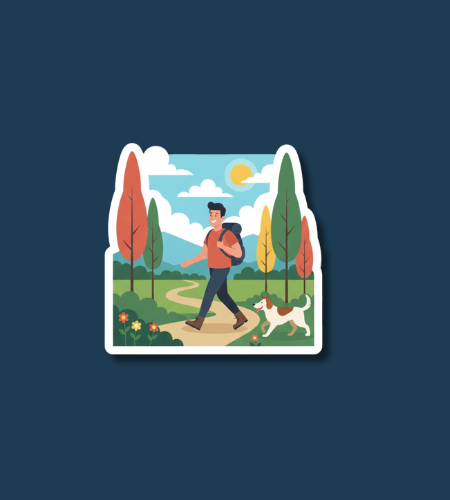
Take A Walk Outdoors Day is observed on January 20. This day encourages people to step away from their indoor environments and reconnect with the natural world through the simple act of walking. While modern life often centers around indoor workstations and digital screens, this observance highlights the physical and mental necessity of spending time in the fresh air and sunlight.
History of Take A Walk Outdoors Day
The practice of walking for health and contemplation has deep roots in human history, though the specific designation of January 20 as Take A Walk Outdoors Day is a relatively modern initiative. Historically, philosophers and naturalists like Henry David Thoreau and Ralph Waldo Emerson championed the “saunter” as a vital intellectual and spiritual exercise. They believed that walking in nature allowed for a level of clarity and creative thought that could not be achieved in a confined space. This sentiment was echoed in the early 20th century as urban centers grew, leading to the creation of public parks and designated walking paths for city dwellers.
The formalization of the holiday was likely established by health advocacy groups to promote physical activity during the winter months. January can often be a sedentary period due to cold weather and the fading of New Year’s resolutions. By placing the day in mid-January, organizers aimed to remind the public that outdoor movement is possible and beneficial even in cooler temperatures. The day has evolved to celebrate all forms of walking, from casual strolls in the neighborhood to brisk hikes in state parks, emphasizing that the “outdoors” is accessible to everyone regardless of their location.
Why is Take A Walk Outdoors Day important?
This holiday addresses the widespread issue of sedentary lifestyles and “nature deficit disorder.” Regular outdoor walking provides a range of physiological benefits, including improved cardiovascular health, strengthened bones, and better weight management. One of the most critical aspects of walking outside is exposure to natural sunlight, which is a primary source of Vitamin D. This nutrient is essential for immune function and bone health, yet many adults in the Northern Hemisphere experience significant deficiencies during the winter.
Beyond physical health, the mental benefits of walking outdoors are substantial. Natural environments have been shown to lower salivary cortisol, the body’s primary stress hormone, more effectively than indoor exercise. The varied sensory input of the outdoors—the sound of wind, the sight of greenery, and the feeling of different terrains—helps to reduce mental fatigue and improve concentration. This day serves as a reminder that a brief change of scenery can act as a natural reset for the brain, enhancing creativity and overall emotional resilience.
- Walking outdoors provides essential exposure to Vitamin D from sunlight.
- Stepping into nature helps lower blood pressure and heart rate.
- Fresh air can improve the quality of sleep by regulating circadian rhythms.
- The changing scenery of the outdoors boosts creativity and problem-solving skills.
- Group walks foster social connections and reduce feelings of winter isolation.
How to Celebrate Take A Walk Outdoors Day
The most direct way to observe this holiday is to lace up a pair of comfortable shoes and head outside for at least twenty minutes. You do not need a mountain trail to participate; a walk around the block, through a local park, or even to a nearby shop counts. To make the most of the experience, try to leave your phone in your pocket or at home. This allows you to practice “forest bathing” or mindful walking, where you focus entirely on your surroundings and the rhythm of your steps.
If you find it difficult to stay motivated in the cold, consider inviting a friend or family member to join you. Having a “walking buddy” makes the activity a social event and provides a sense of accountability. For those who want to turn the walk into a more intentional experience, you can try “active observation,” where you look for specific signs of nature, such as different bird species or the way the light hits the trees. No matter the duration or the distance, the goal is to break the habit of staying indoors and appreciate the environment.
- Find a new trail or park in your area that you have never visited.
- Take a camera along to document the natural beauty you see on your route.
- Use a pedometer or smartphone app to track your steps for the day.
- Bring a bag to pick up any litter you find along your path.
- Listen to an educational podcast or a relaxing playlist during your stroll.
Take A Walk Outdoors Day Dates Table
| Year | Date | Day |
|---|---|---|
| 2026 | January 20 | Tuesday |
| 2027 | January 20 | Wednesday |
| 2028 | January 20 | Thursday |
| 2029 | January 20 | Saturday |
| 2030 | January 20 | Sunday |
Subscribe to our newsletter and never miss a holiday again!