
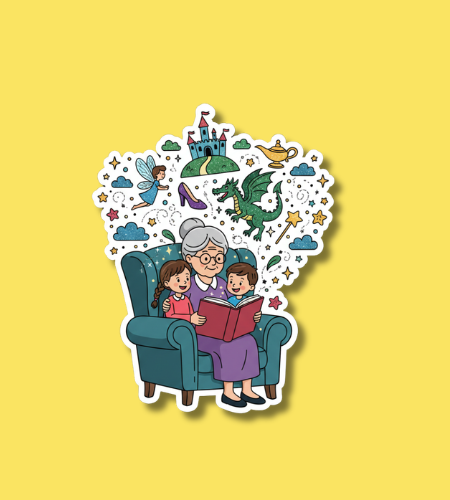
Tell a Fairy Tale Day is celebrated annually on February 26. The day is dedicated to the ancient and enchanting tradition of storytelling, specifically focusing on the myths, legends, and fables that have shaped human culture for generations. It encourages people of all ages to revisit their favorite “once upon a time” narratives and to pass these stories along to a new audience, keeping the wonder of folklore alive in a digital age.
Table of Contents
History of Tell a Fairy Tale Day
The roots of fairy tales trace back thousands of years, long before the stories were ever recorded on paper. Historically, these tales were part of a rich oral tradition where travelers, bards, and elders shared legends around communal fires to explain the mysteries of the world or to instill moral values. Researchers have found evidence that some stories, such as “The Smith and the Devil,” may date back to the Bronze Age. In the 17th century, French writers like Charles Perrault began to formalize the genre, while the 19th century saw a massive surge in popularity thanks to the scholarly work of Jacob and Wilhelm Grimm, who traveled across Germany to preserve fading oral folk stories.
While the exact creator of Tell a Fairy Tale Day remains unknown, the holiday has gained widespread popularity as an unofficial observance through the efforts of libraries, bookstores, and educators. It was established as a way to refocus public attention on the importance of reading and imagination in child development. Over time, the day has evolved to celebrate not just the classic Western European tales of the Brothers Grimm and Hans Christian Andersen, but also the diverse folklore from African, Asian, and Indigenous cultures, highlighting the universal themes of heroism and justice found in global mythology.
Why is Tell a Fairy Tale Day important?
This day is significant because fairy tales serve as an essential tool for psychological and emotional development. For children, these stories provide a safe framework to explore complex concepts like good versus evil, fear, and bravery. By following a hero’s journey through an enchanted forest or a dark castle, young listeners learn that challenges can be overcome with wit, kindness, and perseverance. The narratives often contain vital life lessons and social “scripts” that help children understand the consequences of their actions and the value of integrity.
Beyond childhood, fairy tales remain culturally important as they reflect the collective subconscious and historical anxieties of the societies that created them. They connect modern readers to their ancestors, preserving the metaphors and symbols that have defined human storytelling for millennia. The day also promotes literacy and linguistic skills, as the descriptive and often poetic language of classic fables expands a reader’s vocabulary. By setting aside time for storytelling, communities foster a sense of shared identity and creative continuity that bridges the gap between different generations.
- It encourages parents to engage in consistent reading habits with their children.
- The holiday promotes the preservation of oral histories and regional folk traditions.
- Fairy tales help build empathy by allowing readers to see the world through a hero’s eyes.
- The day supports local libraries and independent bookstores through themed events.
- It sparks creativity in writers and artists who use the tales as inspiration for modern works.
How to Celebrate Tell a Fairy Tale Day
One of the most authentic ways to celebrate is by telling a story from memory rather than reading from a book. This honors the oral roots of the tradition and allows for a more interactive experience where the storyteller can adjust the tone and pacing based on the audience’s reactions. Many families choose to host a “fairy tale tea party” or a themed dinner where dishes are inspired by famous stories, such as porridge for Goldilocks or red apples for Snow White. For adults, the day is an opportunity to explore the original, often darker versions of famous tales before they were sanitized for modern audiences.
Creative expression is another cornerstone of the holiday. Many educators encourage students to write “fractured fairy tales,” which involve taking a well-known story and changing the perspective or the ending—such as telling the story of the Three Little Pigs from the wolf’s point of view. Public celebrations often include costume parades, puppet shows, and marathon read-aloud sessions at community centers. Whether you are listening to a professional storyteller or simply sharing a bedtime story, the objective is to immerse yourself in a world where magic is possible and every problem has a resolution.
- Visit a local library for a scheduled story time or puppet performance.
- Write your own original fairy tale featuring a modern-day setting or hero.
- Listen to an audiobook or podcast that features classic myths and legends.
- Watch a film adaptation of a beloved story and compare it to the original text.
- Create a DIY story map or “enchanted forest” play area for younger children.
Tell a Fairy Tale Day Dates Table
| Year | Date | Day |
|---|---|---|
| 2026 | February 26 | Thursday |
| 2027 | February 26 | Friday |
| 2028 | February 26 | Saturday |
| 2029 | February 26 | Monday |
| 2030 | February 26 | Tuesday |
Subscribe to our newsletter and never miss a holiday again!