
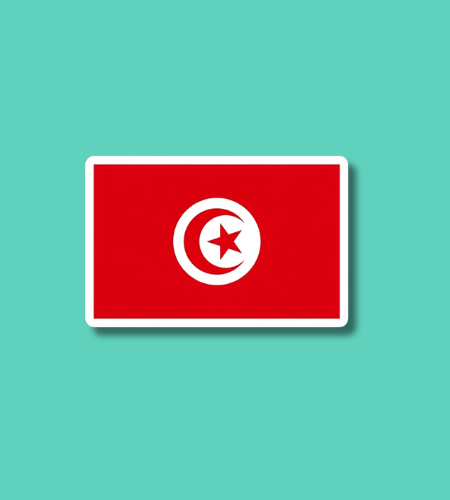
Tunisia Independence Day is observed annually on March 20 to commemorate the nation’s liberation from French colonial rule in 1956. This day is a significant national holiday that honors the struggle for sovereignty and the birth of the modern Tunisian Republic. It is a time of intense national pride, marked by various cultural events, official ceremonies, and public gatherings that celebrate the end of the protectorate era and the beginning of self-determination for the Tunisian people.
Table of Contents
History of Tunisia Independence Day
The path to Tunisian independence began in 1881 when the Treaty of Bardo established Tunisia as a French protectorate. Over the following decades, a strong nationalist movement emerged, led primarily by the Neo-Destour Party and its charismatic leader, Habib Bourguiba. The movement utilized a combination of political negotiations, civil disobedience, and armed resistance to pressure the French government for autonomy. Following World War II, the demand for complete independence intensified as the global trend of decolonization gained momentum and the French colonial empire began to weaken.
After years of tension and violent clashes, negotiations between Tunisian leaders and the French government culminated in the signing of the independence protocol in Paris on March 20, 1956. This historic agreement formally recognized Tunisia as an independent and sovereign state. Shortly after, the monarchy was abolished, and the country was declared a republic on July 25, 1957, with Habib Bourguiba serving as its first president. The day remains a tribute to the “Fellagha” fighters and the political activists who sacrificed their lives and freedom to secure the nation’s future.
Why is Tunisia Independence Day important?
This holiday is a cornerstone of Tunisian national identity, serving as a vital link between the country’s historic struggle and its modern aspirations. It provides a moment for the nation to reflect on the values of freedom and dignity that fueled the resistance against colonial powers. The observance is essential for educating younger generations about the high cost of sovereignty and the importance of maintaining national unity. It serves as a reminder that the foundation of the modern Tunisian state was built on the collective will of a people determined to rule themselves.
The importance of the day also lies in its celebration of Tunisian culture and institutional progress. Since gaining independence, Tunisia has distinguished itself in the region through significant advancements in education, women’s rights, and social infrastructure. Independence Day highlights these achievements, showcasing the country’s unique position as a bridge between the Arab world, Africa, and Europe. It is a day that reinforces the sense of belonging and encourages citizens to contribute to the continued stability and prosperity of the republic.
- It marks the end of 75 years of French colonial administration.
- The day honors Habib Bourguiba and other key figures of the Neo-Destour Party.
- It celebrates the transition from a protectorate to a fully sovereign republic.
- The holiday promotes national solidarity and a shared sense of history.
- It highlights Tunisia’s early commitment to secularism and modern legal reforms.
How to Celebrate Tunisia Independence Day
Celebrations typically begin with a formal speech by the President of the Republic, followed by military parades and the laying of wreaths at the Martyrs’ Memorial. The streets of major cities like Tunis, Sfax, and Sousse are decorated with the national flag, which features a red crescent and star on a white circle against a red field. Public squares often host free concerts, traditional dance performances, and art exhibitions that showcase Tunisian heritage. For many, the day is also an opportunity to visit historic sites associated with the independence movement, such as the Bourguiba Mausoleum in Monastir.
Families celebrate the occasion by gathering for large traditional meals, often featuring national dishes like couscous with lamb or spicy merguez sausages. In the coastal regions, seafood platters are a common centerpiece for festive lunches. Many Tunisians also use the public holiday to travel within the country, visiting the ruins of Carthage or the Sahara Desert to appreciate the diverse beauty of their homeland. The atmosphere is generally one of joyful reflection, where the appreciation for past sacrifices meets a hopeful outlook for the nation’s future.
- Attend a public flag-raising ceremony in a local town square.
- Prepare a traditional meal of Tunisian couscous to share with family.
- Visit the National Museum of Bardo to learn about the country’s ancient and modern history.
- Watch televised documentaries or films about the struggle for independence.
- Support local artisans by purchasing traditional Tunisian handicrafts.
Tunisia Independence Day Dates Table
| Year | Date | Day |
|---|---|---|
| 2026 | March 20 | Friday |
| 2027 | March 20 | Saturday |
| 2028 | March 20 | Monday |
| 2029 | March 20 | Tuesday |
| 2030 | March 20 | Wednesday |
Subscribe to our newsletter and never miss a holiday again!