
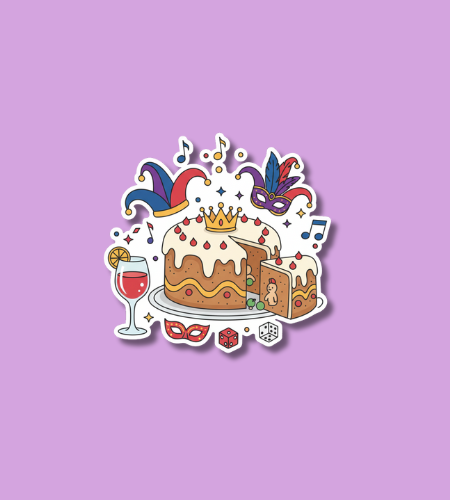
Twelfth Night is observed annually on January 5. This holiday serves as the conclusion to the Twelve Days of Christmas, marking the transition from the festive season back to ordinary daily life.
Table of Contents
History of Twelfth Night
The origins of Twelfth Night are rooted in both Christian theology and ancient pagan winter festivals. In the early Christian church, the birth of Jesus was celebrated as a twelve-day period ending on the eve of Epiphany, which commemorates the visit of the Magi. This timeframe allowed for a prolonged celebration that eventually absorbed elements of the Roman festival of Saturnalia. During Saturnalia, social hierarchies were temporarily dissolved, leading to the tradition of “misrule” where servants and masters switched roles for the duration of the festivities.
In medieval and Tudor England, the night became famous for its elaborate masques, banquets, and theatrical performances. It was during this period that William Shakespeare wrote his famous comedy of the same name, intended to be performed as part of the holiday revelry. The play’s themes of disguise and gender-bending reflected the actual customs of the time, where a “Lord of Misrule” would be appointed to oversee the chaos. Over the centuries, the holiday evolved from a raucous community event into a quieter family observation centered on the removal of holiday greenery.
Why is Twelfth Night important?
This holiday acts as a psychological and spiritual boundary between the celebration of the Nativity and the start of a new work year. For those following the Christian calendar, it represents the specific moment before the “revelation” of Christ to the Gentiles, making it a pivotal theological turning point. Culturally, the day provides a structured end to the holiday season, ensuring that the festivities do not linger indefinitely into the winter months.
A significant portion of the day’s importance is tied to folklore and the prevention of bad luck. Long-standing superstitions suggest that leaving Christmas decorations up past the stroke of midnight on Twelfth Night invites spirits or misfortune into the home. By participating in the ritual of taking down the tree and burning the greenery, individuals symbolically “clear the air” and prepare their living spaces for the coming spring. This practice reinforces the cyclical nature of the seasons and the importance of timely transitions.
- It marks the official religious end of the Christmas season in Western Christianity.
- The holiday preserves historical traditions of social equality and playful role reversal.
- It serves as a deadline for completing seasonal chores and organizing the household.
- Many cultures use the day to celebrate the arrival of the Three Kings with gift-giving.
- The observance fosters community through traditional group activities like wassailing.
How to Celebrate Twelfth Night
The most common way to observe this holiday is by removing all Christmas decorations and greenery from the home. According to tradition, any holly, ivy, or mistletoe used during the season should be taken down to prevent bad luck for the rest of the year. Some people choose to burn a small piece of the greenery in a fireplace or return it to nature to symbolize the end of the winter cycle. This is also the traditional time to finish any remaining holiday treats or special preserves.
Food plays a central role in the celebration, specifically the consumption of a “King Cake” or Twelfth Night Cake. These rich, fruit-filled cakes traditionally contain a hidden bean and a dried pea; the man who finds the bean is crowned “King of the Revels,” and the woman who finds the pea becomes the “Queen.” In some regions, groups also participate in wassailing, which involves visiting local orchards to sing to the trees and toast to a successful harvest in the coming year.
- Take down the Christmas tree and all indoor lights before the end of the day.
- Bake a traditional fruit cake and hide a small trinket or bean inside for guests to find.
- Host a small gathering where guests are encouraged to adopt different social roles or characters.
- Prepare a large bowl of wassail, a warm spiced cider, to share with friends and neighbors.
- Read or watch a performance of Shakespeare’s “Twelfth Night” to honor the day’s literary history.
Twelfth Night Dates Table
| Year | Date | Day |
|---|---|---|
| 2026 | January 5 | Monday |
| 2027 | January 5 | Tuesday |
| 2028 | January 5 | Wednesday |
| 2029 | January 5 | Friday |
| 2030 | January 5 | Saturday |
Subscribe to our newsletter and never miss a holiday again!