
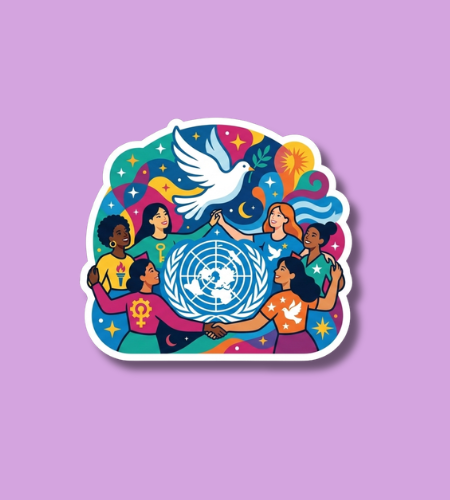
United Nations Day for Women’s Rights and International Peace is observed on March 8. This day is the official title used by the United Nations for what is commonly known as International Women’s Day. It serves as a global call to action for gender equality, recognizing the indispensable role women play in the prevention of conflict and the maintenance of global security. The observance highlights that sustainable peace cannot be achieved without the full and equal participation of women in all levels of decision-making and peacebuilding processes.
Table of Contents
History of United Nations Day for Women’s Rights and International Peace
The roots of this day are found in the labor movements of North America and Europe during the early 20th century, where women protested for better working conditions and the right to vote. The first National Woman’s Day was observed in the United States in 1909. However, it was the 1917 strike by Russian women for “Bread and Peace”—which began on March 8—that eventually led to the date being solidified as a global symbol for women’s struggle for rights and political agency.
The United Nations officially began celebrating the day in 1975 during International Women’s Year. In 1977, the UN General Assembly invited member states to proclaim March 8 as the UN Day for Women’s Rights and International Peace. This formal adoption shifted the focus from a purely social or labor-oriented holiday to a diplomatic and human rights-based framework. It linked the advancement of women directly to the UN Charter’s goals of maintaining international peace and upholding fundamental human rights for all. 1
Why is United Nations Day for Women’s Rights and International Peace important?
This day is critical because it addresses the reality that women and girls are disproportionately affected by war, displacement, and poverty. By focusing on “International Peace,” the UN emphasizes that women are not just victims of conflict but are essential leaders in resolving it. Research consistently shows that peace agreements are more durable and successful when women are involved in the negotiation and implementation phases. This observance forces a global conversation on the structural barriers—such as lack of education and legal protections—that prevent women from contributing to a more stable world.
The day also serves as an annual audit of global progress toward gender parity. It provides a platform for the UN to launch new initiatives and reports on the status of women worldwide, highlighting areas where rights are being eroded. It connects local grassroots movements with international policy, ensuring that the voices of women in conflict zones or developing economies reach the highest levels of government. Without this dedicated focus, the unique perspectives and needs of half the world’s population might remain sidelined in global security discussions.
- It reinforces the link between gender equality and global stability.
- The day promotes the implementation of UN Security Council Resolution 1325.
- It raises awareness about the gender pay gap and economic inequality.
- The observance advocates for the end of gender-based violence in all forms.
- It celebrates the achievements of women who have led successful peace movements.
How to Celebrate United Nations Day for Women’s Rights and International Peace
Observing this day involves engaging with global human rights issues and supporting local initiatives that empower women. Many people participate by attending rallies, seminars, or panel discussions hosted by NGOs and educational institutions. These events often focus on the specific annual theme set by the UN, such as digital equity or climate action. You can also celebrate by educating yourself and others about the history of women’s suffrage and the ongoing legal battles for equal rights in different parts of the world.
On a practical level, you can celebrate by supporting women-led organizations and businesses. Sharing stories of female peacemakers and activists on social media helps to amplify their impact and inspire the next generation of leaders. It is also a day to advocate for policy changes within your own community or workplace, such as paid parental leave or mentorship programs. The goal is to move beyond symbolic gestures and take concrete steps that contribute to a world where women’s rights are recognized as fundamental human rights.
- Attend a local march or public lecture on gender equality.
- Donate to an international charity that supports girls’ education.
- Read a book or watch a documentary about female Nobel Peace Prize winners.
- Use your platform to highlight the work of women in your industry.
- Mentor a young woman to help her develop leadership and advocacy skills.
United Nations Day for Women’s Rights and International Peace Dates Table
| Year | Date | Day |
|---|---|---|
| 2026 | March 8 | Sunday |
| 2027 | March 8 | Monday |
| 2028 | March 8 | Wednesday |
| 2029 | March 8 | Thursday |
| 2030 | March 8 | Friday |
Subscribe to our newsletter and never miss a holiday again!