
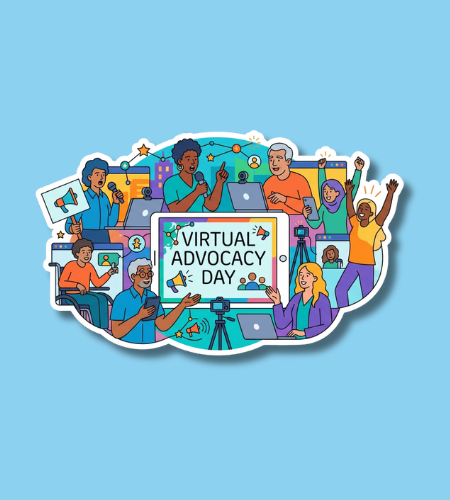
Virtual Advocacy Day is observed annually on March 28. This day is dedicated to empowering citizens to engage with the legislative process through digital platforms rather than traditional in-person visits to government offices. It provides a structured opportunity for constituents to meet with elected officials or their administrative staff via video conferencing, phone calls, and social media to discuss specific policy changes and social causes. Virtual Advocacy Day serves as a global call to action for advocates across all sectors to use technology as a tool for civic engagement and democratic participation.
Read also about Digital Learning Day
Table of Contents
History of Virtual Advocacy Day
The roots of advocacy day events began decades ago as “Lobby Days” or “Hill Days,” where groups would travel to capital cities to meet with lawmakers. However, the specific concept of a “Virtual” Advocacy Day gained significant momentum during the digital shift of the early 21st century. As communication technology improved, nonprofit organizations and grassroots movements realized they could reach a much broader and more diverse group of supporters by removing the financial and physical barriers associated with travel. This evolution allowed people with disabilities, those in rural areas, and low-income advocates to have their voices heard in the halls of power for the first time.
The formalized recognition of March 28 as a day for virtual advocacy serves to unify these various individual efforts into a single global moment of action. It highlights the transition from traditional letter-writing campaigns to interactive digital experiences, such as virtual site tours and live video testimonials. By standardizing this day, organizers have created a recurring deadline that encourages legislative offices to prepare for a high volume of digital constituent engagement. This modern approach has transformed the legislative process into a more accessible and transparent environment for the general public.
Why is Virtual Advocacy Day important?
This day is important because it democratizes the lobbying process by ensuring that physical location and wealth do not dictate who can influence government policy. In the past, only those who could afford travel and lodging in major cities could participate in face-to-face meetings with representatives. Virtual advocacy levels the playing field, allowing a student in a remote village or a busy professional at home to present their personal stories directly to decision-makers. This inclusivity brings a wider range of lived experiences to the table, leading to more comprehensive and empathetic legislation.
Furthermore, the holiday emphasizes the efficiency and environmental sustainability of digital activism. By replacing thousands of individual flights and car trips with video calls, the movement reduces the carbon footprint associated with political lobbying. It also allows for a more rapid response to urgent legislative issues, as digital campaigns can be organized and executed in a fraction of the time required for in-person rallies. This day reinforces the idea that every citizen possesses the tools—right on their phones or computers—to become an effective agent for social change and government accountability.
- It removes the financial barriers that often prevent marginalized groups from lobbying.
- Digital meetings allow constituents to share screen-based data and visual evidence easily.
- The day promotes the use of social media as a professional tool for political change.
- Lawmakers receive a more diverse range of perspectives from across their entire district.
- Virtual participation encourages younger generations to engage with the democratic process.
How to Celebrate Virtual Advocacy Day
Observing this day involves preparing a clear and concise message regarding a cause you feel passionate about. Start by researching who your local and national representatives are and identifying the specific committees they serve on. Many organizations offer virtual training sessions leading up to this day to help participants craft “elevator pitches” or personal stories that resonate with legislative staff. Once you are prepared, you can schedule a brief video call or use an automated advocacy platform to send a personalized email detailing your concerns and your desired legislative “ask.”
Beyond direct meetings, you can celebrate by amplifying your message through coordinated social media campaigns. Use dedicated hashtags to join a larger conversation and tag your representatives in posts that explain why a specific issue matters to your community. Sharing infographics or short video testimonials can help educate your peers and encourage them to take their own digital action. The goal of the day is to demonstrate to elected officials that their constituents are informed, active, and watching their voting records closely from the comfort of their own homes.
- Register for a virtual town hall or legislative briefing hosted by a nonprofit.
- Write a personalized email to your representative regarding a specific pending bill.
- Post a video testimonial on social media explaining your personal connection to a cause.
- Use a “click-to-call” tool to leave a message for your legislator’s administrative office.
- Join an online advocacy group to coordinate messaging with other local supporters.
Virtual Advocacy Day Dates Table
| Year | Date | Day |
|---|---|---|
| 2026 | March 28 | Saturday |
| 2027 | March 28 | Sunday |
| 2028 | March 28 | Tuesday |
| 2029 | March 28 | Wednesday |
| 2030 | March 28 | Thursday |
Subscribe to our newsletter and never miss a holiday again!