
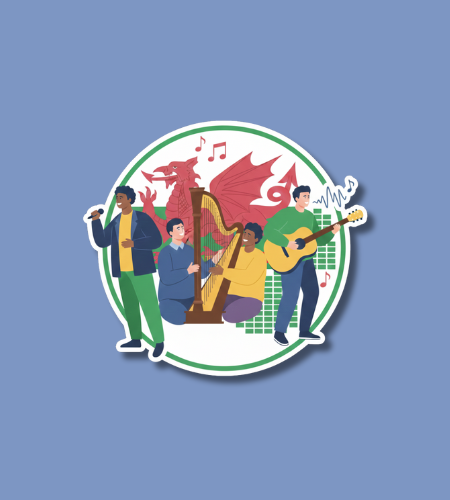
Welsh Language Music Day, also known as Dydd Miwsig Cymru, is observed on the second Friday of February. In 2026, it falls on February 13. This annual celebration aims to introduce Welsh language music to new audiences and celebrate the diversity of sounds being produced in the language, ranging from indie and punk to hip hop and electronica. By showcasing artists who perform in Welsh, the day helps break down language barriers and demonstrates that great music is universal regardless of the lyrics’ tongue. It is a key part of the broader effort to promote the Welsh language globally and support a thriving, modern cultural scene that appeals to all generations.
Table of Contents
History of Welsh Language Music Day
The event was established in 2013 by the broadcaster and radio presenter Huw Stephens. His goal was to create a specific moment in the calendar to highlight the incredible quality and variety of music being made in Welsh, ensuring it received recognition beyond traditional folk circles. Over the first decade of its existence, the initiative grew from a local idea into a nationally recognized event supported by the Welsh Government. 1
In recent years, the reach of the day has expanded significantly through digital platforms and international partnerships. It has been marked by events not only across Wales in cities like Cardiff and Swansea but also internationally in places such as Brooklyn and Budapest. The growth of the day coincides with a “golden age” for Welsh music, where artists like Gwenno, Adwaith, and Alffa have reached millions of listeners on streaming services, helping the day transition from a niche interest to a mainstream cultural fixture.
Why is Welsh Language Music Day important?
This day is vital for the survival and growth of the Welsh language in a modern, digital world. It provides a platform for artists to reach listeners who might not otherwise seek out Welsh-language content, proving that the language is a living, breathing medium for contemporary expression. By featuring music across every possible genre, the celebration challenges old stereotypes and shows that Welsh is just as suited to heavy metal or grime as it is to traditional choral singing.
Furthermore, the day supports the local creative economy by encouraging the purchase of records, concert tickets, and merchandise from independent Welsh labels and artists. It fosters a sense of national pride and cultural identity among speakers and learners alike. For those learning the language, music serves as an accessible and enjoyable tool for immersion, helping them pick up vocabulary and pronunciation through catchy melodies and rhythmic lyrics.
- Music acts as a bridge for non-speakers to engage with Welsh culture.
- The day promotes the Welsh Government’s goal of reaching one million speakers.
- It provides crucial exposure for independent artists on global streaming platforms.
- Local businesses benefit from hosting live performances and themed events.
- Diverse genres ensure there is a musical entry point for every type of listener.
How to Celebrate Welsh Language Music Day
Participating in this day often begins with discovering new sounds through curated playlists on platforms like Spotify or YouTube, which often feature “Best of Wales” collections. Many fans take to social media to share their favorite tracks using the hashtag #Miwsig, creating a virtual community of music lovers. Schools across Wales often join in by holding discos, songwriting workshops, or “gig in a classroom” sessions to inspire the next generation of Welsh-speaking musicians.
For those near urban centers, attending a live performance is one of the most impactful ways to celebrate. Venues often host “pop-up” gigs in unconventional spaces like record shops, cafes, or even office buildings. Businesses can participate by pledging to play only Welsh-language music in their stores or branches for the entire day. Whether you are a fluent speaker or have never heard a word of Welsh, the day is simply about pressing play and enjoying the creative output of a unique musical landscape.
- Share your top ten favorite Welsh tracks on social media to inspire others.
- Attend a live gig or a multi-venue music trail in your local town.
- Ask a local shop or cafe to play a Welsh-language playlist for the day.
- Purchase a digital album or vinyl from an independent Welsh record label.
- Learn the lyrics to one Welsh song to improve your language skills.
Welsh Language Music Day Dates Table
| Year | Date | Day |
|---|---|---|
| 2026 | February 13 | Friday |
| 2027 | February 12 | Friday |
| 2028 | February 11 | Friday |
| 2029 | February 9 | Friday |
| 2030 | February 8 | Friday |
Subscribe to our newsletter and never miss a holiday again!