

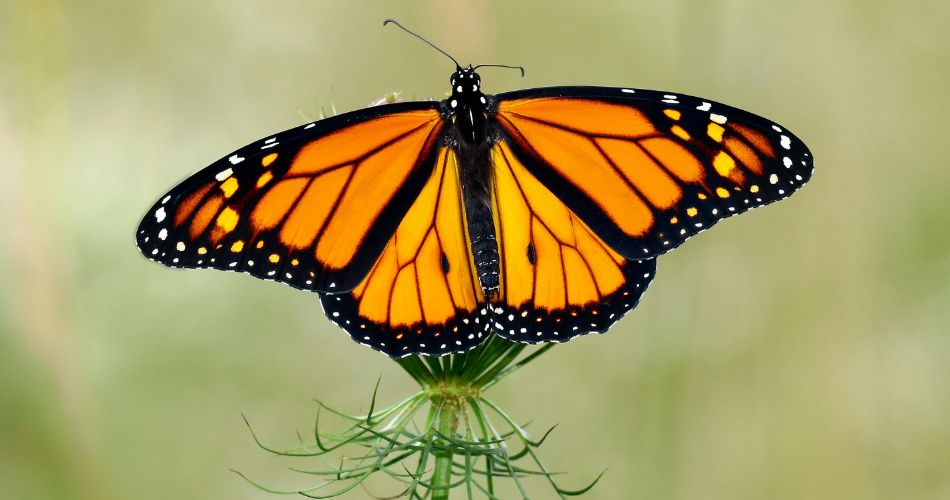
Western Monarch Day is observed annually on February 5. This day commemorates the unique migration of the Western monarch butterfly and its winter return to the central coast of California. It serves as an official platform to celebrate the environmental beauty of these pollinators while highlighting the urgent conservation needs of a population that has faced a significant decline in recent decades.
Table of Contents
History of Western Monarch Day
The California State Legislature officially established Western Monarch Day in 2004. The primary motivation was to recognize the monarch butterfly’s role as a major natural attraction that bolsters tourism along the Pacific coast during the quieter winter months. While Eastern monarchs are famous for their long journey to the mountains of central Mexico, the Western population represents a distinct migratory group that travels from as far north as Canada and the Pacific Northwest to find shelter in California’s temperate groves.
Historically, scientists only began to fully map these complex flight paths in the mid-20th century. Before the 1930s, the specific overwintering sites in California were largely unknown to the broader scientific community. The formal designation of the day was influenced by the work of researchers and local enthusiasts who observed thousands of butterflies clustering in eucalyptus and pine trees in spots like Pismo Beach and Pacific Grove. These coastal sanctuaries provide the exact microclimate necessary for the butterflies to survive the winter before they head back north to breed in the spring.
Why is Western Monarch Day important?
The holiday is important because it raises awareness for a species that is an indicator of overall ecosystem health. Western monarchs have seen their numbers drop by more than 99% since the 1980s, primarily due to habitat loss, climate change, and the widespread use of pesticides. By focusing public attention on this specific date, conservationists can better advocate for the protection of milkweed—the only plant where monarchs lay their eggs—and the preservation of the coastal groves where they spend their winters.
The day also highlights the economic and educational value of the migration. Thousands of tourists visit the California coast specifically to see the orange and black clusters, supporting local businesses and state parks. Educational programs held on this day teach schoolchildren about the life cycle of the butterfly and the importance of biodiversity. Because monarchs are pollinators, their survival is directly linked to the health of wildflowers and agricultural crops across the Western United States.
- The day recognizes California as the only major overwintering spot for Western monarchs.
- It alerts the public to the critical “endangered” status of the migratory population.
- The holiday promotes the planting of native milkweed to support new generations.
- It supports the “citizen science” efforts used to count and track butterfly numbers.
- Communities use the day to celebrate the butterfly as a symbol of natural resilience.
How to Observe Western Monarch Day
The most popular way to observe the day is to visit an overwintering site along the California coast. Locations such as the Pismo State Beach Monarch Butterfly Grove or the Natural Bridges State Beach in Santa Cruz offer guided walks where docents explain the butterflies’ behavior. Visitors are encouraged to bring binoculars to see the clusters high in the trees, which often look like dead leaves until the sun warms them and they begin to flutter. It is important to stay on marked trails to avoid disturbing the sensitive habitats.
For those away from the coast, observing the day involves transforming home gardens into pollinator-friendly waystations. Planting native milkweed is the single most effective action individuals can take to help the species. Gardeners can also plant nectar-rich flowers like seaside daisy or buckwheat to provide energy for the butterflies as they begin their spring migration. Sharing photographs of monarchs and participating in online monitoring projects like the Western Monarch Milkweed Mapper helps scientists gather the data needed for long-term protection.
- Visit a butterfly grove to see the clusters before they disperse in late February.
- Plant native milkweed species that are specific to your local geographic region.
- Avoid using chemical pesticides and herbicides in your home garden.
- Participate in a local educational talk or workshop hosted by state parks.
- Record your butterfly sightings on community science apps to help researchers.
Western Monarch Day Dates Table
| Year | Date | Day |
|---|---|---|
| 2026 | February 5 | Thursday |
| 2027 | February 5 | Friday |
| 2028 | February 5 | Saturday |
| 2029 | February 5 | Monday |
| 2030 | February 5 | Tuesday |
Subscribe to our newsletter and never miss a holiday again!