
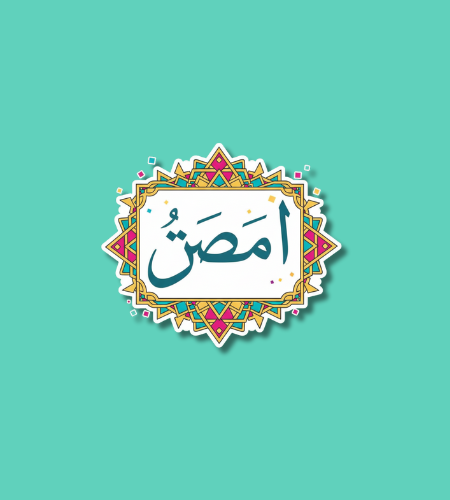
World Arabic Language Day is officially observed on December 18. This global observance celebrates the history, culture, and influence of one of the most widely spoken languages in the world, recognizing its role as a bridge between civilizations.
Table of Contents
History of World Arabic Language Day
The United Nations Educational, Scientific and Cultural Organization (UNESCO) established this day in 2010 to promote multilingualism and cultural diversity. However, the specific date was chosen to honor a significant diplomatic milestone. On December 18, 1973, the UN General Assembly adopted Resolution 3190, which made Arabic the sixth official language of the organization, joining English, French, Spanish, Russian, and Chinese. This recognition validated the language’s status as a major medium of international communication and diplomacy. 1
The history of the language itself extends back over a millennium, originating in the Arabian Peninsula. As the language of the Quran, its preservation and standardization were meticulously maintained, allowing it to remain intelligible across centuries. During the Golden Age of Islam, Arabic became the lingua franca of science, mathematics, and philosophy. Scholars in Baghdad, Cordoba, and Cairo translated ancient Greek and Roman texts into Arabic, preserving knowledge that might otherwise have been lost and laying the groundwork for the European Renaissance.
Why is Arabic Language Day important?
This day highlights the immense cultural footprint of a language spoken by over 400 million people daily. Arabic is unique in its diglossia, where a standardized formal version (Modern Standard Arabic) exists alongside diverse regional dialects that vary from Morocco to Iraq. Celebrating this day acknowledges the richness of this linguistic tapestry and the complex identity of the Arab world. It serves as a reminder that language is not just a tool for communication but a repository of heritage, poetry, and art.
Furthermore, the observance draws attention to the profound influence Arabic has had on other languages, including English. Many common words—such as algebra, algorithm, coffee, lemon, and cotton—have Arabic roots. Recognizing these connections fosters a sense of shared human history and challenges cultural barriers. It encourages the world to look beyond geopolitical headlines and appreciate the scientific and artistic contributions that Arabic-speaking civilizations have gifted to humanity.
- Celebrates the linguistic diversity of over 400 million speakers
- Honors the preservation of ancient scientific and philosophical texts
- Highlights the language’s role in international diplomacy
- Educates others on the Arabic roots of common English words
- Promotes the study of calligraphy and diverse regional dialects
How to Celebrate Arabic Language Day
For those who do not speak the language, this day is an excellent opportunity to learn the basics. Many cultural centers and universities host open workshops on December 18, offering introductory lessons in the alphabet or common greetings. Attempting to write one’s name in Arabic script is a popular activity, as it reveals the artistic and fluid nature of the letters, which are written from right to left. Listening to Arabic music—from the classical vocals of Umm Kulthum to modern pop—can also provide a sonic appreciation of the language’s rhythm and phonetics.
For fluent speakers and students, the day is often marked by literary events and poetry readings. Arabic poetry has a prestigious history, known for its complex meters and emotional depth. Attending a reading or participating in a calligraphy workshop allows for a deeper connection with the art forms that the language supports. Libraries and bookstores frequently feature translated works by Nobel Prize winner Naguib Mahfouz or other contemporary Arab authors, making their stories accessible to a global audience.
- Attend an introductory language or calligraphy workshop
- Read a book by an Arab author in translation
- Listen to a playlist of classic and modern Arabic music
- Learn to identify English words with Arabic origins
- Visit a local Arab cultural center or museum exhibit
World Arabic Language Day Dates
| Year | Date | Day |
|---|---|---|
| 2026 | December 18 | Friday |
| 2027 | December 18 | Saturday |
| 2028 | December 18 | Monday |
| 2029 | December 18 | Tuesday |
| 2030 | December 18 | Wednesday |
Subscribe to our newsletter and never miss a holiday again!