
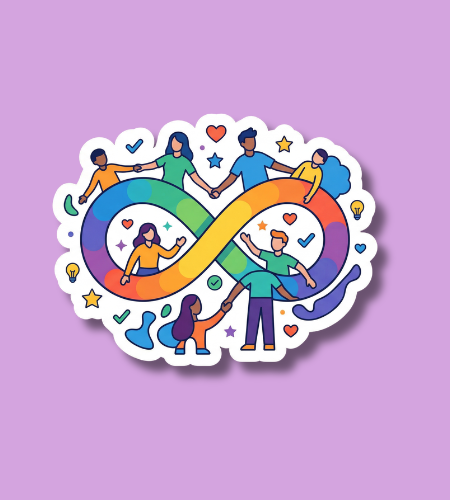
World Autism Awareness Day (World Autism Acceptance Day) is an international observance dedicated to celebrating the rights, dignity, and diverse perspectives of autistic people, held every year on April 2. While originally established as “Awareness” day, the global community has shifted the focus toward “Acceptance” to move beyond simple recognition and toward genuine inclusion and appreciation. The day serves as the centerpiece of Autism Acceptance Month, providing a platform to amplify autistic voices and advocate for neuroinclusive environments in schools, workplaces, and healthcare. Instead of focusing on deficits, the observance highlights the unique strengths of the autistic community, such as analytical thinking, high attention to detail, and a deep focus on specialized interests. It is a day to reaffirm that every life has inherent value and that neurodiversity is a natural and vital part of the human experience.
Read also about Autism Sunday
Table of Contents
History of World Autism Awareness Day
The history of this day began in 2007 when the United Nations General Assembly passed a resolution designating April 2 as World Autism Awareness Day. The initiative was spearheaded by the State of Qatar and supported by all member states to address the high rate of autism globally and the lack of public understanding regarding the condition. The first official observance took place in 2008, coinciding with the adoption of the Convention on the Rights of Persons with Disabilities. Historically, the day was marked by the “Light It Up Blue” campaign, which aimed to bring global visibility to the spectrum through the use of blue lights on iconic landmarks like the Empire State Building. 1
Over the last decade, the observance has undergone a significant cultural transformation led by autistic self-advocates and grassroots organizations. Many in the community argued that “awareness” was no longer enough, as it often portrayed autism as a tragedy or a puzzle to be solved. In 2021, a formal shift toward “Acceptance” was widely adopted by major advocacy groups to emphasize support, equity, and the celebration of neurodiversity. The modern movement prioritizes listening to the lived experiences of autistic individuals rather than speaking for them. Today, the United Nations and other global bodies use the day to promote systemic changes that remove barriers to participation, ensuring that autistic people can thrive as their authentic selves in all areas of society.
Why is World World Autism Awareness Day?
This day is vital because it challenges the stigma and misconceptions that continue to marginalize autistic individuals in their daily lives. Despite being a lifelong developmental difference that affects approximately 1 in 100 people worldwide, many autistic people still face significant barriers to education, employment, and social inclusion. By prioritizing “acceptance” over “awareness,” the holiday shifts the societal goal from “fixing” individuals to adapting environments to be more sensory-friendly and neuroinclusive. It empowers autistic people to take pride in their identity and reinforces the idea that their way of experiencing the world is valid and valuable.
Furthermore, the observance serves as a critical driver for policy change and the protection of human rights. It provides a global stage to discuss the need for better diagnostic services, specialized support in schools, and inclusive hiring practices that recognize the “neurodiversity dividend”—the innovation and productivity that neurodivergent employees bring to the workforce. For families and newly diagnosed individuals, the day offers a sense of community and a roadmap for a future defined by possibilities rather than limitations. By fostering a more compassionate and informed public, World Autism Acceptance Day helps build a world where different minds are not just tolerated, but are seen as an essential component of a masterpiece of human diversity.
- It advocates for the full realization of human rights for all autistic individuals.
- The day promotes the transition from viewing autism as a deficit to a cognitive difference.
- It highlights the importance of sensory-friendly spaces in public and professional life.
- The observance provides a platform for autistic creators and leaders to share their work.
- It encourages the removal of systemic barriers that prevent equal access to healthcare.
How to Celebrate World Autism Awareness Day
Celebrating involves active engagement with the autistic community by listening to their stories and supporting neuroinclusive practices. One of the most meaningful ways to observe the day is to read books or watch content created by autistic authors and filmmakers to gain a first-hand perspective on their experiences. Many people choose to wear gold or infinity-symbol apparel, which represent the “AU” (the chemical symbol for gold) and the infinite diversity of the human brain, as alternatives to traditional symbols. If you are an employer or educator, you can celebrate by implementing small changes to your environment, such as providing noise-canceling headphones or creating a “quiet zone” for those who experience sensory overload.
On a community level, you can participate in local events such as “Best Buddies” walks, neurodiversity expos, or sensory-friendly museum days. Sharing educational resources that emphasize acceptance rather than a “cure” on social media is a powerful way to use your platform for advocacy. Many families celebrate by creating “Diversity Quilts” or mosaic art projects that represent how different “tiles” or perspectives come together to create a beautiful whole. For those looking to make a direct impact, donating to organizations led by autistic people ensures that your support goes toward advocacy and services that truly reflect the community’s needs. Whether you are attending a webinar or simply learning a new fact about neurodiversity, the goal is to foster an atmosphere of genuine appreciation.
- Listen to a podcast or read a blog post written by an autistic self-advocate.
- Support a business owned or operated by neurodivergent entrepreneurs.
- Wear the rainbow infinity symbol to show your support for neurodiversity.
- Encourage your workplace to offer sensory-friendly “quiet rooms” for all staff.
- Share a positive story about autistic strengths and contributions on social media.
World Autism Awareness Day Dates Table
| Year | Date | Day |
|---|---|---|
| 2026 | April 2 | Thursday |
| 2027 | April 2 | Friday |
| 2028 | April 2 | Sunday |
| 2029 | April 2 | Monday |
| 2030 | April 2 | Tuesday |
Subscribe to our newsletter and never miss a holiday again!