
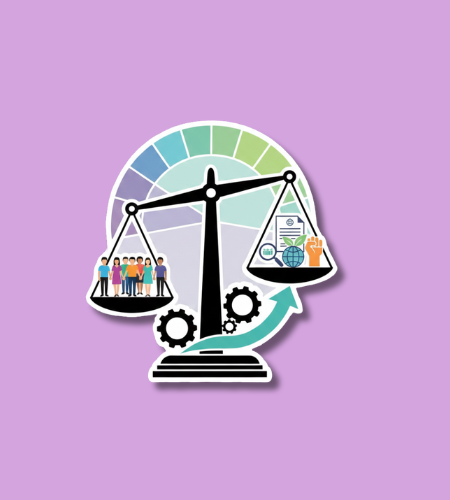
World Day of Social Justice is observed on February 20. This international day, established by the United Nations, focuses on the urgent need to address issues such as poverty, gender inequality, unemployment, and human rights violations that persist globally. It serves as a reminder that social justice is an underlying principle for peaceful and prosperous coexistence within and among nations, emphasizing that the pursuit of social justice for all is at the core of the UN’s global mission to promote development and human dignity. By dedicating a specific day to these causes, the international community reaffirms its commitment to creating a more equitable world where every individual has access to opportunity, legal protections, and fair treatment regardless of their background or economic status.
Table of Contents
History of World Day of Social Justice
The United Nations General Assembly officially declared February 20 as World Day of Social Justice in November 2007. The first observance took place in 2009, following a decades-long effort by international labor and human rights organizations to formalize a day that centered on the “social” aspect of global development. The holiday was largely inspired by the outcomes of the 1995 World Summit for Social Development in Copenhagen, where over 100 world leaders pledged to make the conquest of poverty and the goal of full employment their highest priorities.
Historically, the day evolved from the Declaration on Social Justice for a Fair Globalization, adopted by the International Labour Organization (ILO). This document emphasized the need for a strong social dimension to globalization, ensuring that economic growth leads to improved living standards for everyone, not just a privileged few. Since its inception, the day has become a focal point for the UN to launch specific annual themes—ranging from digital justice to the protection of migrant workers—aimed at solving the most pressing inequalities of the modern era. 1
Why is World Day of Social Justice important?
This day is vital because it highlights the inextricable link between social justice and global security. Without fair distribution of resources and equal access to the legal system, societies often experience instability, conflict, and economic stagnation. By focusing on social justice, the holiday encourages governments to implement policies that protect vulnerable populations, such as refugees, the elderly, and those living with disabilities, ensuring that the benefits of progress are shared across all levels of society.
The observance also serves as a critical platform for addressing the “decent work” agenda. In an era of rapid technological change, many workers face precarious employment conditions and a lack of social protections. World Day of Social Justice brings attention to the necessity of fair wages, safe working environments, and the right to organize. It empowers activists and policymakers to advocate for systemic changes that move beyond temporary charity and toward permanent, institutionalized fairness in the global economy.
- Social justice is a prerequisite for maintaining long-term peace and preventing civil unrest.
- The holiday promotes the elimination of barriers that people face because of gender, age, or race.
- Focusing on social justice helps reduce the widening gap between the world’s wealthiest and poorest citizens.
- International cooperation on this day leads to better protection for workers in the global supply chain.
- Education on social justice encourages citizens to hold their governments accountable for human rights standards.
How to Observe World Day of Social Justice
One of the most effective ways to observe the day is by educating yourself on the specific systemic inequalities present in your own community or industry. This may involve attending webinars hosted by the United Nations or reading reports from the International Labour Organization regarding current trends in global employment and human rights. Many people use the day to support non-profit organizations that work directly on the front lines of social justice, such as those providing legal aid to immigrants or advocating for equal pay legislation.
You can also observe the day by engaging in meaningful dialogue within your workplace or social circles about inclusivity and fairness. Schools and universities often host panel discussions and film screenings that highlight the struggles and successes of various social movements. On a personal level, making conscious consumer choices—such as purchasing goods from fair-trade certified companies—is a practical way to support social justice in the global marketplace. Sharing informative graphics or articles on social media can help amplify the day’s message and inspire others to take action.
- Attend a local lecture or community forum focused on civil rights and economic equality.
- Donate to or volunteer with a legal advocacy group that protects marginalized populations.
- Organize a discussion group to review the UN’s Sustainable Development Goals related to justice.
- Audit your own purchasing habits to ensure you are supporting companies with fair labor practices.
- Use your platform to share the stories of activists who are working to end systemic discrimination.
World Day of Social Justice Dates Table
| Year | Date | Day |
|---|---|---|
| 2026 | February 20 | Friday |
| 2027 | February 20 | Saturday |
| 2028 | February 20 | Sunday |
| 2029 | February 20 | Tuesday |
| 2030 | February 20 | Wednesday |
Subscribe to our newsletter and never miss a holiday again!