
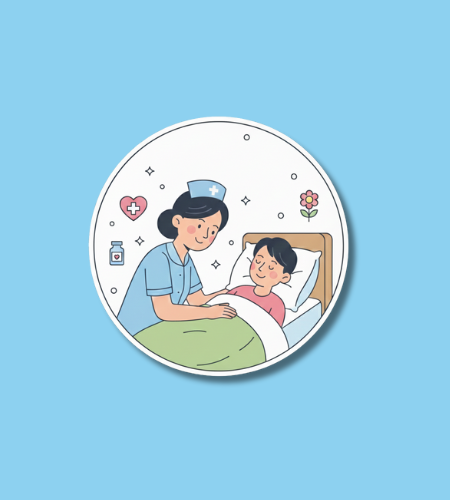
World Day of the Sick is observed annually on February 11. This day of prayer and awareness encourages people to provide support and compassion to those suffering from illness and to recognize the vital work of their caregivers. It is timed to coincide with the Feast of Our Lady of Lourdes, a figure associated with healing and comfort in the Catholic tradition, focusing on the dignity of every person regardless of their physical health.
Table of Contents
History of World Day of the Sick
The observance was established by Pope John Paul II in 1992 to encourage the faithful to pray for those suffering from illness. The Pope had been diagnosed with Parkinson’s disease only a year earlier, and many historians believe his personal health struggles served as a catalyst for creating this global initiative. He chose February 11 because it is the anniversary of the first apparition of the Virgin Mary to St. Bernadette Soubirous in Lourdes, France, a site that has since become a major pilgrimage destination for people seeking physical and spiritual healing.
The first World Day of the Sick was officially held in 1993, with the primary celebration taking place at the Basilica of Saint Peter in Rome. Since then, the event has expanded into a worldwide observation that transcends religious boundaries, focusing on the universal human experience of vulnerability. In 2013, the day gained additional historical significance when Pope Benedict XVI chose this specific date to announce his resignation from the papacy, citing his declining health as the primary reason for his departure from office. 1
Why is World Day of the Sick important?
This day is important because it brings global attention to the physical and emotional isolation that often accompanies serious illness. It reminds society that being sick is not just a medical condition but a human experience that requires empathy, presence, and social solidarity. By setting aside a specific day for reflection, communities are encouraged to improve healthcare access and ensure that the most vulnerable individuals are not forgotten by the modern world.
Furthermore, the observance places a necessary spotlight on the mental and physical toll of caregiving. Healthcare professionals, family members, and volunteers often face burnout and fatigue as they provide constant support to those in need. World Day of the Sick validates their efforts and encourages the public to offer practical help to these providers. It serves as a call to action for governments and institutions to prioritize a “culture of care” that values the person over the diagnosis.
- The day fosters a deeper sense of empathy for those with chronic conditions.
- It recognizes the tireless efforts of healthcare workers and family caregivers.
- Public awareness helps reduce the stigma and loneliness associated with disability.
- The observance encourages the distribution of medicine and food to the needy.
- It reinforces the value of human dignity in all stages of life and health.
How to Observe World Day of the Sick
Observing this day involves taking concrete steps to support those in your immediate community who may be struggling with their health. A simple visit or a phone call to someone who is homebound or in a long-term care facility can significantly alleviate feelings of isolation. If you know a primary caregiver, you might offer to handle their grocery shopping or household chores for the day, giving them a much-needed moment of rest. These small, direct acts of service provide a tangible sense of connection and relief.
For those looking to observe the day on a broader scale, donating to medical research or community health clinics is a practical way to contribute. Many people also choose to attend special prayer services or memorial masses held at local churches or hospital chapels. These gatherings often include rituals of healing and provide a space for quiet reflection on the mystery of suffering. Whether through volunteer work at a local hospice or simply by educating yourself on how to better support a friend with a chronic illness, the focus remains on active compassion.
- Visit a friend or relative who is currently recovering from an illness.
- Offer to run errands for a family caregiver in your neighborhood.
- Donate supplies or funds to a local health clinic or hospital.
- Send a message of appreciation to a healthcare professional you know.
- Take a moment of silence to reflect on those currently facing health trials.
World Day of the Sick Dates Table
| Year | Date | Day |
|---|---|---|
| 2026 | February 11 | Wednesday |
| 2027 | February 11 | Thursday |
| 2028 | February 11 | Friday |
| 2029 | February 11 | Sunday |
| 2030 | February 11 | Monday |
Subscribe to our newsletter and never miss a holiday again!