
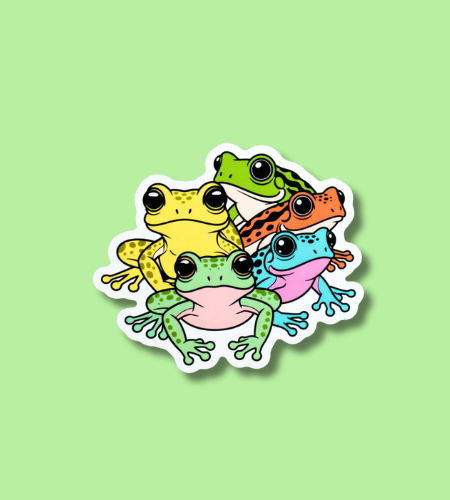
World Frog Day is observed annually on March 20 to raise global awareness about the mass extinction crisis facing amphibians and the vital role they play in healthy ecosystems. This environmental holiday serves as a platform for scientists and nature enthusiasts to highlight the beauty and diversity of the world’s 7,000+ frog species. World Frog Day aligns with the vernal equinox to symbolize the seasonal awakening of pond life in many regions. Because frogs have highly permeable skin, they are exceptionally sensitive to pollution and climate change, making them essential biological indicators of environmental health. The day emphasizes that protecting these small creatures is a critical step in preserving the broader biodiversity of our planet’s wetlands and forests.
Read also about World Lizard Day
Table of Contents
History of World Frog Day
The holiday was established in 2009 to address the urgent need for a coordinated global effort to save amphibians from disappearing. While several environmental groups had previously organized local events, the creation of a dedicated international day provided a unified date for education and conservation action. The initiative emerged during a period when researchers were documenting a catastrophic decline in frog populations worldwide, largely driven by habitat loss, invasive species, and the spread of the chytrid fungus. Since its inception, the day has grown from a niche scientific concern into a widely recognized event supported by major conservation organizations and zoos across several continents. 1
The choice of March 20 for this observance is historically significant as it often marks the start of spring in the Northern Hemisphere, a time when many frog species emerge from hibernation to begin their breeding cycles. This timing allows educators to engage the public when frogs are most vocal and visible in their local habitats. Over the years, the holiday has evolved to include “citizen science” projects, where ordinary people help map frog distributions by recording their unique calls. This shift from simple awareness to active data collection has turned World Frog Day into a vital tool for real-world amphibian research and habitat restoration efforts.
Why is World Frog Day important?
Frogs are indispensable members of the food web, serving both as efficient predators and a primary food source for larger animals. As tadpoles, they keep waterways clean by consuming algae, while adult frogs act as a natural form of pest control by eating vast quantities of mosquitoes, flies, and agricultural pests. Without frogs, insect populations would skyrocket, leading to increased disease transmission and damage to food crops. Their presence in a habitat confirms that the water is clean and the local environment is stable enough to support a complex range of life.
The medical importance of frogs is another significant reason for their protection, as their skin secretions contain a variety of unique chemical compounds. Scientists have used these substances to develop new types of antibiotics, painkillers, and treatments for high blood pressure and other heart conditions. Every time a frog species goes extinct, a potential medical breakthrough is lost forever. By celebrating this day, we acknowledge that the survival of these amphibians is directly linked to human health and the resilience of the natural resources we rely on every day.
- Frogs are excellent bioindicators that warn us about water and air pollution.
- They help maintain the balance of both aquatic and terrestrial ecosystems.
- Their diet of insects reduces the need for harmful chemical pesticides.
- Compounds found in frog skin are used in life-saving pharmaceutical research.
- The decline of frogs serves as an early warning for broader ecological collapses.
How to Celebrate World Frog Day
One of the most effective ways to celebrate is by creating a frog-friendly environment in your own backyard or community space. Building a small, shallow pond with sloped sides allows local frogs to move in and find a safe place to breed and hydrate. It is also important to reduce or eliminate the use of synthetic fertilizers and pesticides, as these chemicals are easily absorbed through a frog’s sensitive skin and can be lethal. Planting native vegetation around water sources provides necessary shade and hiding spots where frogs can stay cool and avoid predators during the day.
Education is another key component of the day, and many people participate by visiting local nature centers or joining guided “frog walks” at night. You can use mobile apps to record and upload frog calls to global databases, helping scientists track population trends in your area. For those in urban environments, supporting conservation charities that protect wetlands or advocate for wildlife corridors is a meaningful way to contribute. Simply sharing a fascinating fact about a specific species, such as the wood frog that can survive being frozen solid, helps to build the public appreciation necessary for long-term conservation.
- Build a small backyard pond to provide a habitat for local amphibians.
- Avoid using lawn chemicals that can run off into nearby waterways.
- Join a citizen science project to help identify and count frogs in your area.
- Leave patches of fallen leaves and logs to create natural shelters.
- Donate to organizations dedicated to fighting the global amphibian extinction crisis.
World Frog Day Dates Table
| Year | Date | Day |
|---|---|---|
| 2026 | March 20 | Friday |
| 2027 | March 20 | Saturday |
| 2028 | March 20 | Monday |
| 2029 | March 20 | Tuesday |
| 2030 | March 20 | Wednesday |
Subscribe to our newsletter and never miss a holiday again!