
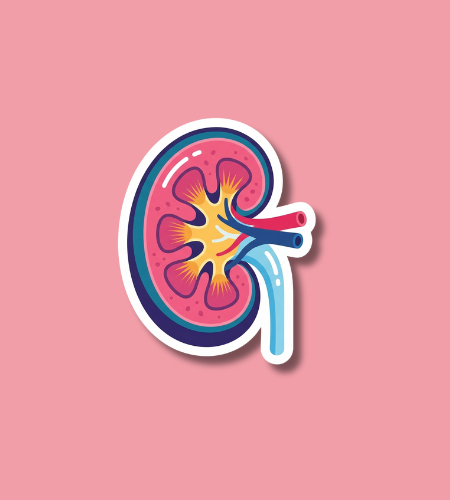
World Kidney Day is observed on the second Thursday of March. In 2026, it falls on March 12. This global health awareness campaign focuses on the importance of the kidneys and aims to reduce the frequency and impact of kidney disease and its associated health problems worldwide. It brings together medical professionals, patients, and the public to promote screening and early detection as key strategies for managing renal health. 1
Table of Contents
History of World Kidney Day
The initiative was first launched in 2006 as a joint effort between the International Society of Nephrology (ISN) and the International Federation of Kidney Foundations (IFKF). At its inception, only 66 countries participated in the observance, but the movement grew rapidly as the medical community recognized the “silent epidemic” of chronic kidney disease. Within just two years, the number of participating nations rose to 88, and it has since expanded to include over 150 countries.
Each year, the campaign organizers select a specific theme to address different aspects of kidney health, ranging from the impact of obesity to the challenges of equitable access to care. The 20th anniversary in 2026 marks a milestone for the organization, highlighting two decades of advocacy that have successfully influenced healthcare policies and screening initiatives globally. What started as a small professional awareness day has transformed into a massive public health event involving thousands of local screening camps and educational workshops.
Why is World Kidney Day important?
The primary importance of this day lies in the fact that kidney disease often progresses without any visible symptoms until it reaches an advanced stage. Because the kidneys filter waste and excess water from the blood while regulating blood pressure, their failure has devastating consequences for the entire body. Early detection through simple blood and urine tests can stop or significantly slow the progression of chronic kidney disease, potentially saving millions of lives and reducing the need for costly treatments like dialysis or transplantation.
This observance also sheds light on the high-risk factors that lead to kidney damage, such as diabetes, hypertension, and obesity. By educating the public on these links, World Kidney Day encourages lifestyle modifications that benefit overall cardiovascular and metabolic health. Furthermore, the day advocates for social equity, highlighting that some populations suffer from higher rates of kidney failure due to socioeconomic status or a lack of access to clean water and affordable healthcare. It serves as a call to action for governments to invest in sustainable kidney care strategies.
- Kidneys work 24/7 to remove toxins and maintain fluid balance.
- Early screening can detect damage before any physical symptoms appear.
- Chronic kidney disease affects approximately 10% of the global adult population.
- Managing blood pressure and sugar levels is vital for protecting renal function.
- Healthy kidneys are essential for red blood cell production and bone health.
How to Observe World Kidney Day
A common way to observe this day is by participating in “Drink a glass of water” campaigns, which symbolize the importance of hydration for kidney function. Many people take the opportunity to schedule a check-up with their doctor for a serum creatinine blood test or a simple urine analysis, especially if they have a family history of kidney issues. Communities often host “Kidney Walks” or fitness events to promote the physical activity that helps keep blood pressure within a healthy range.
Educators and health organizations celebrate by distributing informational materials and hosting public webinars that explain the “8 Golden Rules” of kidney health. On social media, supporters use dedicated hashtags to share their personal stories of resilience while living with kidney disease or the experience of being a transplant donor. You can also participate by evaluating your diet, specifically looking for ways to reduce salt and processed food intake, which can lower the strain on your kidneys. Supporting research foundations through donations is another way to contribute to the development of new treatments and prevention models.
- Schedule a screening test to check your estimated glomerular filtration rate.
- Replace sugary beverages with water to support your body’s natural filtration.
- Attend a local health fair for free blood pressure and glucose monitoring.
- Share kidney health infographics on social media to educate your peers.
- Review over-the-counter medication use, as some painkillers can harm the kidneys.
World Kidney Day Dates Table
| Year | Date | Day |
|---|---|---|
| 2026 | March 12 | Thursday |
| 2027 | March 11 | Thursday |
| 2028 | March 9 | Thursday |
| 2029 | March 8 | Thursday |
| 2030 | March 14 | Thursday |
Subscribe to our newsletter and never miss a holiday again!