

World Pangolin Day is observed on the third Saturday of February. In 2026, it falls on February 21. This international event focuses on the eight species of pangolins found across Asia and Africa, which are currently the most trafficked mammals on the planet. Often called scaly anteaters, these animals are unique for being the only mammals entirely covered in hard scales made of keratin. The day serves to bring together conservationists, researchers, and the public to address the rapid decline of pangolin populations due to illegal wildlife trade and habitat loss.
Read also about World Numbat Day
Table of Contents
History of World Pangolin Day
The first World Pangolin Day took place in 2012. It was established as a grassroots initiative to shine a light on a species that was largely unknown to the general public compared to other endangered animals like elephants or rhinos. By creating a specific day for these creatures, organizers hoped to consolidate global conservation efforts and encourage governments to implement stricter protections. Since its inception, the day has gained international recognition from major wildlife organizations and has successfully pushed the pangolin’s plight into mainstream environmental discussions. 1
Early observations of the day focused primarily on basic education, teaching people what a pangolin is and why it matters to the ecosystem. Over time, the focus shifted toward high-level policy changes and law enforcement. In 2016, a significant milestone was reached when all eight species were moved to Appendix I of the Convention on International Trade in Endangered Species (CITES), effectively banning all international commercial trade. World Pangolin Day continues to be the primary annual platform for announcing new research, such as the discovery of potential new species or breakthroughs in rehabilitation techniques.
Why is World Pangolin Day important?
Pangolins are essential for maintaining a balanced ecosystem because they act as natural pest controllers. A single pangolin can consume up to 70 million insects per year, mainly ants and termites. This foraging behavior helps regulate insect populations and aerates the soil as they dig for food with their long claws. Without them, the forest floors and grasslands they inhabit would see a dramatic shift in soil quality and insect density, affecting other plants and animals in the food chain.
The species is currently facing an extinction crisis fueled by an immense demand for their scales and meat. Their scales are frequently used in traditional medicine, despite being made of the same material as human fingernails with no proven curative properties. Because pangolins reproduce slowly, typically having only one offspring per year, they cannot recover quickly from heavy poaching. World Pangolin Day is vital for debunking myths about their medicinal value and pressuring global markets to shut down illegal trade routes.
- Pangolins consume millions of termites that would otherwise damage forest structures.
- Their digging habits improve soil health and provide burrows for other small animals.
- They are the only mammals in the world with a full coat of protective scales.
- The illegal trade of these animals is a multi-billion dollar industry that funds criminal networks.
- Protecting pangolins helps preserve the biodiversity of tropical forests and savannas.
Interesting facts about pangolins
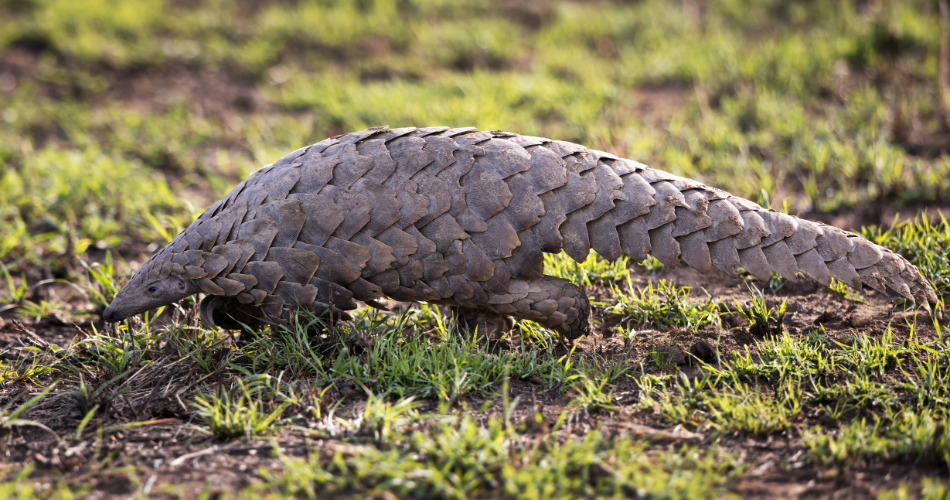
1. The Only Scaly Mammals
Pangolins are the only mammals in the world covered in true scales. These scales are made of keratin, the same protein found in human fingernails and rhino horns.
2. Built-in Armor
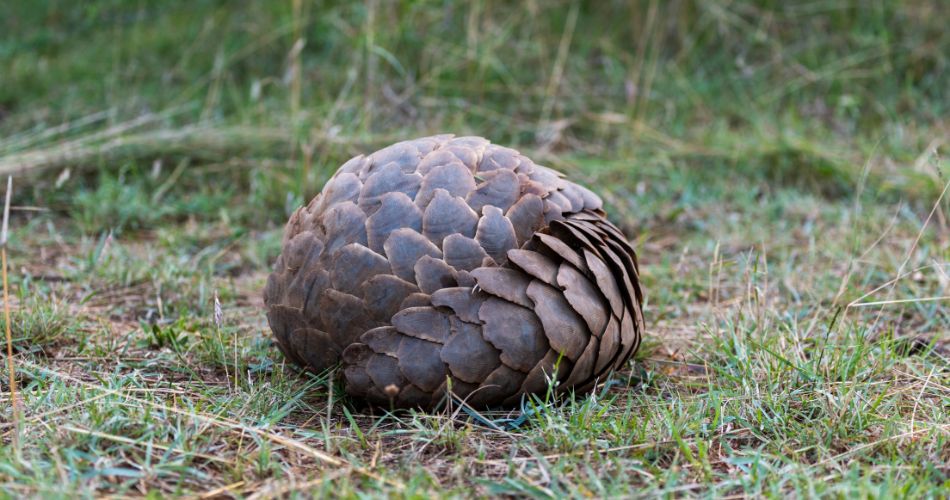
When threatened, a pangolin rolls into a tight, near-impenetrable ball. This defense is so effective that even lions and tigers often give up, unable to bite through the hard scales.
3. Long, Specialized Tongues
A pangolin’s tongue can be longer than its entire body. Because it is so long, the base of the tongue is actually attached deep in the chest cavity near the ribcage.
4. Pangolins don’t have teeth. Instead, they use their powerful front claws to dig into ant or termite mounds and then use their sticky tongues to scoop up prey. They “chew” their food using small stones (gastroliths) and keratinous spines inside their stomachs.
5. A single pangolin can consume up to 70 million insects per year. This makes them vital for “pest control” in their natural ecosystems.
6. Depending on the species, pangolins can be excellent climbers (using their prehensile tails to grip branches) or even strong swimmers.
7.Like skunks, pangolins can release a foul-smelling chemical from glands near the base of their tails to mark territory or deter predators.
8. The Most Trafficked Mammal
Tragically, pangolins are the most illegally traded wild mammals in the world. They are hunted for their meat (considered a delicacy in some cultures) and their scales, which are used in traditional medicine despite having no proven medicinal value.
How to Celebrate World Pangolin Day
Celebrating this day involves spreading factual information to counter the myths that drive the illegal trade. Many people still do not know that pangolins exist or that they are mammals rather than reptiles. Sharing photos, videos, and articles on social media using the official hashtag helps increase their visibility. You can also look for documentaries like “Pangolin” or educational books for children to help the next generation understand the value of wildlife conservation.
Supporting organizations that work directly in the field is a practical way to observe the day. Many non-profits focus on rescuing pangolins from traffickers and rehabilitating them before releasing them back into protected areas. You can also take a personal stand by refusing to buy any products made from pangolin scales or meat and reporting illegal wildlife sales to the authorities. Taking the time to learn about the different species, such as the Sunda or the Giant Ground Pangolin, provides a better perspective on the diverse habitats that need protection.
- Share a video of a pangolin to introduce others to this unique animal.
- Donate to a wildlife rehabilitation center that specializes in scaly mammals.
- Check ingredient lists on traditional remedies to ensure no animal products are used.
- Create and post pangolin-themed art to engage your local community in conservation.
- Read an article about how tracking technology is helping researchers protect wild populations.
World Pangolin Day Dates Table
| Year | Date | Day |
|---|---|---|
| 2026 | February 21 | Saturday |
| 2027 | February 20 | Saturday |
| 2028 | February 19 | Saturday |
| 2029 | February 17 | Saturday |
| 2030 | February 16 | Saturday |
Subscribe to our newsletter and never miss a holiday again!