
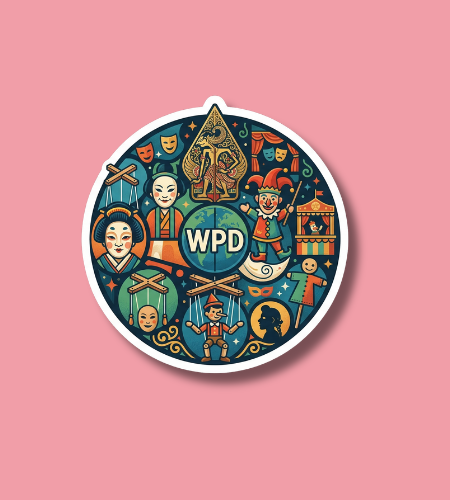
World Puppetry Day is celebrated on March 21. This international day honors the ancient art of puppetry and its role as a universal language that transcends cultural and linguistic barriers. It serves to promote the craft, recognize the work of puppeteers, and preserve traditional puppet theater for future generations.
Read also about Pinocchio Day
Table of Contents
History of World Puppetry Day
The idea for a global celebration of puppetry was first proposed by Javad Zolfaghari, an Iranian puppet theater artist, during the 18th Congress of the Union Internationale de la Marionnette (UNIMA) in 2000. UNIMA is the world’s oldest international theater organization, founded in Prague in 1929. Following Zolfaghari’s proposal, the official date of March 21 was approved by the UNIMA Council in Atlanta in 2002.
The first official World Puppetry Day took place on March 21, 2003. Since then, the day has grown into a significant event on the global arts calendar, often featuring a special message from a prominent figure in the puppetry world. The celebration highlights how puppets have been used for thousands of years, with archaeological evidence of string-operated figures dating back to ancient Egypt and the Indus Valley Civilization around 2000 BC.
Why is World Puppetry Day important?
Puppetry is a versatile art form that combines storytelling, visual arts, and performance. This day is important because it brings attention to the diverse range of puppetry styles, from traditional shadow puppets and marionettes to modern digital and animatronic creations. It provides a platform to discuss how puppets are used not just for entertainment, but also in education, therapy, and social activism.
The observance also emphasizes the preservation of intangible cultural heritage. Many traditional forms of puppetry are at risk of disappearing due to changing entertainment habits and lack of funding. By dedicating a day to this craft, UNIMA and other organizations encourage the development of professional training and the creation of new works. This ensures that the technical skills required to build and manipulate puppets are passed down to new artists.
- It honors the history of an art form that is over 4,000 years old.
- The day promotes the use of puppets as effective educational tools.
- It unites puppeteers from over 90 countries in a shared celebration.
- Recognition helps secure funding and support for puppet theaters.
- It highlights the therapeutic benefits of puppetry in healthcare settings.
How to Celebrate World Puppetry Day
Celebrating this day is an excellent opportunity to experience a live puppet performance at a local theater or community center. Many troupes offer behind-the-scenes tours or demonstrations where you can see how different types of puppets are constructed and operated. You can also participate by watching classic puppet-based films or television shows that have shaped popular culture, such as “The Muppets” or “Sesame Street.”
For a more hands-on approach, you can create your own puppets using simple household materials like socks, cardboard, or wooden spoons. Hosting a small puppet show at home or in a classroom allows children and adults to practice creative storytelling and character development. Sharing photos or videos of these performances on social media with the official hashtag helps raise global awareness and connects you with a worldwide community of puppet enthusiasts.
- Attend a local puppet show or a puppet-making workshop.
- Create a simple hand puppet using a sock and buttons for eyes.
- Read about different puppetry traditions like Japanese Bunraku or Italian Marionettes.
- Visit a museum that features collections of historical puppets.
- Organize a short performance to tell a favorite story using shadows.
World Puppetry Day Dates Table
| Year | Date | Day |
|---|---|---|
| 2026 | March 21 | Saturday |
| 2027 | March 21 | Sunday |
| 2028 | March 21 | Tuesday |
| 2029 | March 21 | Wednesday |
| 2030 | March 21 | Thursday |
Subscribe to our newsletter and never miss a holiday again!