
World Scleroderma Awareness Day
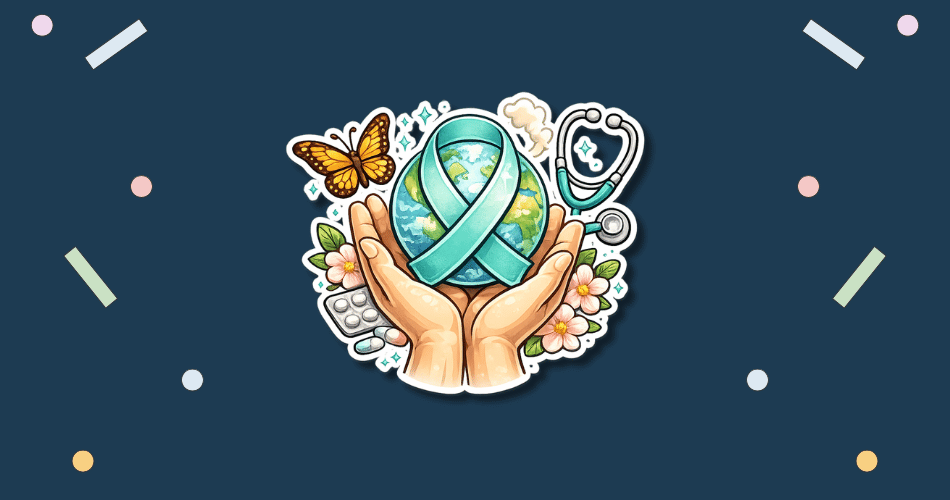
World Scleroderma Awareness Day, widely known as World Scleroderma Day, is observed every year on June 29. In 2027, this date falls on a Tuesday. This awareness day focuses attention on scleroderma, a rare autoimmune disease that can harden the skin and affect connective tissue, blood vessels, and internal organs. It is a compassionate health observance centered on visibility, patient support, earlier recognition of symptoms, and continued research. The day also connects the scleroderma community with the memory of Swiss artist Paul Klee, whose life and work are often associated with the date. 1 2 3 4 5
Contents
See also: National Lipid Day, World Stroke Day
HT Meter
Does this day matter to you?
Say that it does, and say whether you will be marking it. Both are anonymous to nobody but kind to everybody.
This day matters to me
0 Be the first to say so
Quietly remembered
0 Nobody has said so yet
Notes of remembrance
Join those marking this day to share a word, a memory, or the reason it matters to you.
These notes are kept for the people marking this day. Say you will be marking it to read them and to leave your own.
You have already shared a note here recently.
No notes yet. Yours would be the first.
History of World Scleroderma Awareness Day
The modern observance grew from the work of scleroderma patient organizations in Europe. European Scleroderma Day was decided by the Federation of European Scleroderma Associations in 2008 and launched on June 29, 2009. The date was chosen in honor of Paul Klee, who lived with systemic scleroderma and died on June 29, 1940. In 2010, during the first Systemic Sclerosis World Congress in Florence, the observance expanded beyond Europe and became recognized as a worldwide awareness day.
World Psoriasis Day
Scleroderma itself is more complex than the phrase “hard skin” may suggest. Localized forms mainly affect the skin and nearby tissues, while systemic scleroderma, also called systemic sclerosis, can involve the blood vessels and organs such as the lungs, heart, kidneys, and digestive system. Symptoms can differ greatly from one person to another, which can make diagnosis difficult and emotionally draining. Today, the observance gives patients, caregivers, doctors, researchers, and advocates a shared date for education, support, and public attention.
Why is World Scleroderma Awareness Day important?
World Scleroderma Awareness Day matters because scleroderma is not widely understood outside the people and families affected by it. The condition can change daily life through skin tightening, fatigue, Raynaud’s phenomenon, swallowing or digestive problems, pain, and organ complications. A person may look well while managing symptoms that are serious, unpredictable, or difficult to explain. Public awareness can help reduce isolation and encourage people with possible symptoms to seek knowledgeable medical care.
The day also points to the need for better treatment, more research, and stronger support systems. There is no cure for scleroderma, but medical care can help control symptoms, limit damage, and improve quality of life. Because the disease may require care from rheumatologists, dermatologists, lung specialists, heart specialists, therapists, and other professionals, coordinated care matters. Awareness days are not a substitute for medical progress, but they can help build the attention and funding that progress needs.
- It gives patients a public moment of recognition.
- Families learn language for a difficult disease.
- Awareness can support earlier conversations with doctors.
- Advocacy helps connect people with reliable resources.
- Research attention keeps rare diseases from being ignored.
How to Observe World Scleroderma Awareness Day
Make it yours
How would you like to spend World Scleroderma Awareness Day?
Tick what fits you, and we will put together ideas made for this day — not for any day.
World Sjogren's Day
Learn the basics of scleroderma from a medical or patient-support organization, then share one accurate point with someone who may not know the disease. A useful message can be simple: scleroderma is an autoimmune disease, symptoms vary, and systemic forms can affect more than the skin. People who know someone living with scleroderma can ask what kind of help is actually useful instead of assuming. A ride to an appointment, a warm pair of gloves, help with errands, or patient listening may matter more than a public gesture.
Community observation can include fundraisers, educational events, support group meetings, social media posts, and conversations with local health organizations. Businesses, schools, and workplaces can use the day to share plain-language information about rare autoimmune disease without turning patients into symbols. Health professionals can review current information, listen to patient experiences, and consider how delayed diagnosis affects care. The most respectful observance keeps the focus on real people living with scleroderma and the practical changes that could improve their lives.
- Read a patient story with care.
- Share a trusted scleroderma resource.
- Wear teal or display a sunflower.
- Donate to research or patient support.
- Check in on someone living with the disease.
World Scleroderma Awareness Day Dates
| Year | Date | Day of the week |
|---|---|---|
| 2026 | June 29 | Monday |
| 2027 next | June 29 | Tuesday |
| 2028 | June 29 | Thursday |
| 2029 | June 29 | Friday |
| 2030 | June 29 | Saturday |