
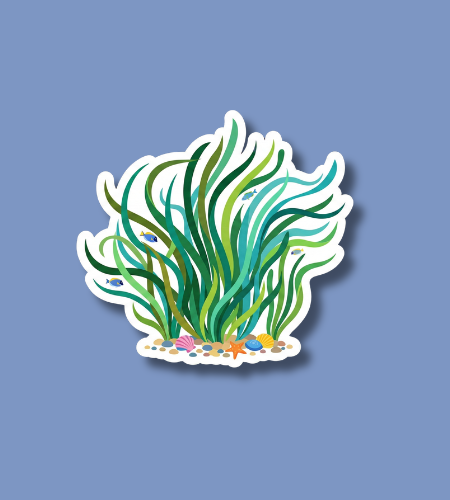
World Seagrass Day is observed on March 1. This United Nations-recognized day is dedicated to raising global awareness about the vital importance of seagrass ecosystems. Often overshadowed by coral reefs and mangroves, seagrasses are critical marine plants that provide food and habitat for marine life, support coastal livelihoods, and act as one of the most efficient carbon sinks on the planet.
Table of Contents
History of World Seagrass Day
The origins of this observance are relatively recent. The day was officially established by the United Nations General Assembly on May 22, 2022. The resolution, sponsored by Sri Lanka and supported by more than 20 countries, recognized that seagrasses have been in decline since the 1930s, with an estimated 7% of this habitat being lost annually worldwide. 1
The push for a dedicated day came from a growing recognition of seagrasses as “the lungs of the sea.” Unlike seaweed, which is algae, seagrasses are flowering plants that evolved from land plants approximately 100 million years ago. The first official global celebration took place on March 1, 2023. By anchoring this day in the international calendar, the UN aims to mobilize conservation efforts and integrate seagrass protection into global climate change and biodiversity strategies.
Why is World Seagrass Day important?
This day is significant because it highlights the “superpowers” of an ecosystem that is often invisible to the public. Despite covering less than 0.2% of the ocean floor, seagrasses are responsible for capturing up to 10% of the ocean’s organic carbon annually. They are up to 35 times more efficient at sequestering carbon than tropical rainforests, making them a crucial tool in the fight against climate change.
Beyond carbon storage, seagrasses act as the “nursery of the sea.” They provide essential habitat for thousands of species, including commercially important fish and endangered animals like seahorses, green sea turtles, and dugongs. They also protect coastlines by trapping sediment and slowing down wave energy, which reduces erosion and maintains water clarity. By bringing these facts to light, World Seagrass Day encourages the policy changes and funding needed to halt the destruction caused by runoff, dredging, and unregulated boating.
- Seagrasses provide the primary food source for endangered dugongs and manatees.
- A single acre of seagrass can support over 40,000 fish and 50 million small invertebrates.
- They help mitigate ocean acidification by absorbing $CO_2$ during photosynthesis.
- Seagrass meadows act as a natural filter, removing harmful bacteria from coastal waters.
- The economic value of seagrass services is estimated to be worth billions of dollars annually.
How to Celebrate World Seagrass Day
Celebrating this day often involves educational outreach and community-led conservation projects. Many environmental organizations host webinars or “citizen science” events where volunteers help map local seagrass meadows using snorkeling gear or drones. For those living near the coast, it is an ideal time to participate in beach cleanups to reduce the plastic pollution that can smother these delicate underwater meadows.
If you are a boater, you can celebrate by practicing “seagrass-safe” navigation—avoiding shallow areas where propellers can leave permanent scars in the meadows and using designated moorings instead of anchors. On social media, supporters share infographics and striking underwater photography using the hashtag #WorldSeagrassDay to educate others about the difference between seagrass and seaweed. Supporting NGOs like the World Seagrass Association through donations or advocacy also ensures that research and restoration projects continue to receive the attention they deserve.
- Learn the difference between seagrass (flowering plants) and seaweed (algae).
- Avoid anchoring in shallow coastal areas to prevent “prop scars” in seagrass beds.
- Reduce your use of fertilizers, as chemical runoff can cause algae blooms that block sunlight from seagrass.
- Support marine protected areas (MPAs) that include seagrass conservation in their mission.
- Share a post or video online highlighting the role of seagrass in carbon sequestration.
World Seagrass Day Dates Table
| Year | Date | Day |
|---|---|---|
| 2026 | March 1 | Sunday |
| 2027 | March 1 | Monday |
| 2028 | March 1 | Wednesday |
| 2029 | March 1 | Thursday |
| 2030 | March 1 | Friday |
Subscribe to our newsletter and never miss a holiday again!