
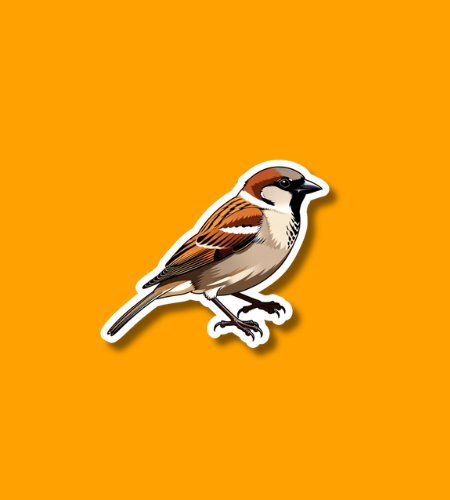
World Sparrow Day is celebrated annually on March 20 to raise global awareness about the house sparrow and other common birds that face increasing threats in urban environments. This international initiative highlights the importance of protecting biodiversity and the tiny creatures that share our immediate living spaces. By dedicating a specific day to these small birds, the holiday encourages individuals and organizations to take practical steps to reverse their declining populations. The observance acts as a reminder that the health of our local ecosystems is often reflected in the presence and well-being of the birds that live right outside our windows.
Read also about National Bird Day and World Migratory Bird Day
Table of Contents
History of World Sparrow Day
The holiday was first observed in 2010 after being established by the Nature Forever Society of India. Mohammed Dilawar, an Indian conservationist who was named one of the “Heroes of the Environment” by Time Magazine in 2008, founded the society and initiated the day to draw attention to the rapid disappearance of house sparrows. He collaborated with the Eco-Sys Action Foundation in France and several other international organizations to ensure the message reached a global audience. The first celebration marked the beginning of a coordinated effort to document the decline of common bird species and to spark a conversation about urban wildlife conservation. 1
The movement grew out of a simple observation that the house sparrow, once an ubiquitous part of human settlements for thousands of years, was becoming a rare sight in major cities. Factors such as modern architectural styles that lack nesting nooks, the replacement of native plants with ornamental greenery, and the use of pesticides have all contributed to their struggle. By creating an official day, the founders hoped to provide a platform for conservationists and citizens to exchange ideas and advocate for bird-friendly urban planning. Today, the event is observed in more than 50 countries, illustrating a worldwide commitment to saving these “tiny messengers” of nature.
Why is World Sparrow Day important?
World Sparrow Day is essential because it shifts the focus of conservation from exotic, endangered species to the common animals that are vital to our everyday ecological balance. Sparrows play a significant role as natural pest controllers by feeding on insects and larvae that would otherwise damage gardens and crops. Their presence also aids in pollination and seed dispersal, which supports the growth of various plant species in both rural and urban areas. When sparrow populations decline, it often serves as a “canary in the coal mine” for the general health of the environment, signaling that pollution or habitat loss is reaching a critical level.
The observance also fosters a unique bond between humans and nature within the “concrete jungle” of modern cities. For many people, sparrows are the first point of contact with wildlife, teaching children about biology and the cycle of life. By celebrating this day, communities are encouraged to value the small, often overlooked aspects of biodiversity that contribute to a balanced and harmonious environment. It empowers individuals to realize that they do not need to be professional scientists to make a difference; simple changes in a backyard or on a balcony can provide a sanctuary for a species that has lived alongside humanity for over 10,000 years.
- Sparrows act as an indicator species for the overall health of urban ecosystems.
- The day promotes the conservation of common birds that are often ignored by major charities.
- It highlights how small changes in human behavior can save a species from extinction.
- The event encourages urban dwellers to reconnect with the natural world around them.
- It provides an educational platform for children to learn about local wildlife protection.
How to Celebrate World Sparrow Day
Observing World Sparrow Day is a practical endeavor that starts with making your immediate environment more hospitable for birds. One of the most effective ways to celebrate is by installing a nest box or a bird feeder in a garden or on a windowsill to provide safe havens and reliable food sources. Planting native shrubs and trees also helps by attracting the insects that sparrows need to feed their young. Many people also set out shallow water bowls for birds to drink and bathe in, especially during the transition into warmer spring weather.
Beyond individual actions, you can participate in community-led bird watching walks or photography contests that celebrate the beauty of local avian life. Schools often hold art competitions or workshops where students build wooden birdhouses to be placed around the campus. Sharing photos and information on social media using dedicated hashtags helps spread the message to those who might not be aware of the sparrow’s plight. By engaging in these activities, you contribute to a global network of “citizen scientists” who monitor and protect the birds in their own neighborhoods.
- Hang a bird feeder filled with seeds or grains in a quiet spot.
- Place a clean water bowl outside for birds to use as a birdbath.
- Build or purchase a wooden nest box to provide a secure breeding space.
- Avoid using chemical pesticides in your garden to protect the birds’ food supply.
- Join a local nature group to help count sparrow populations in your area.
World Sparrow Day Dates Table
| Year | Date | Day |
|---|---|---|
| 2026 | March 20 | Friday |
| 2027 | March 20 | Saturday |
| 2028 | March 20 | Monday |
| 2029 | March 20 | Tuesday |
| 2030 | March 20 | Wednesday |
Subscribe to our newsletter and never miss a holiday again!