
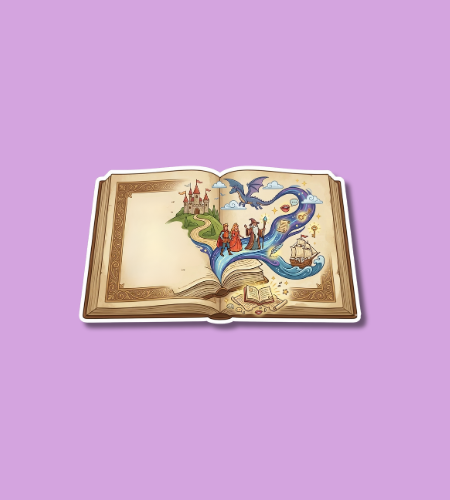
World Storytelling Day is a global celebration of the oral tradition observed on the March equinox each year, typically falling on or near March 20. This unique event encourages people around the world to tell and listen to stories in as many languages as possible, fostering a sense of international community through the shared human experience of narrative. By coinciding with the start of spring in the Northern Hemisphere and autumn in the Southern Hemisphere, the day symbolizes a seasonal shift and a fresh opportunity for cultural exchange. It highlights the importance of the spoken word as a primary tool for communication, education, and entertainment, reminding society of the ancient roots that link diverse populations together through the simple act of sharing a tale.
Read also about Math Storytelling Day and National Write Your Story Day
Table of Contents
History of World Storytelling Day
The origins of this observance can be traced back to Sweden in the early 1990s. In 1991, an event titled “Alla berättares dag” (All Storytellers Day) was organized on March 20 to promote the art of oral narration. Although the initial Swedish network behind the event eventually dissolved, the concept remained popular among local enthusiasts and soon began to capture the attention of storytellers in other regions. By the late 1990s, similar events were being coordinated in Australia and Mexico, where practitioners recognized the value of a synchronized global date to elevate the status of their craft. 1
The transition into a truly international event occurred in the early 2000s when the web allowed storytellers from different continents to connect and coordinate their efforts. In 2003, the celebration officially adopted the name World Storytelling Day as Canada and several European countries joined the movement. By 2009, the holiday was being celebrated on all six inhabited continents. Each year, the global community often selects a specific theme to inspire new narratives, though the core mission remains focused on the preservation and promotion of oral traditions across all borders.
Why is World Storytelling Day important?
World Storytelling Day is significant because it protects the intangible cultural heritage of oral history which is often overshadowed by written and digital media. Before the invention of writing, storytelling was the primary method for passing down laws, survival skills, and moral values from one generation to the next. By dedicating a day to this practice, the holiday ensures that the nuances of vocal performance, such as tone, gesture, and rhythm, are not lost in the modern age. It validates storytelling as a professional art form and a vital educational tool that makes complex information more relatable and memorable.
This celebration also serves as a powerful bridge between different cultures and backgrounds. Because stories often deal with universal human emotions like love, fear, and triumph, they allow listeners to empathize with people whose lives may seem very different from their own. In a world that can often feel divided, the act of listening to a story from another culture helps to dissolve prejudices and build mutual respect. It provides a platform for marginalized voices to be heard, ensuring that a diverse range of perspectives contributes to the global narrative.
- It preserves ancient folklore and myths that define cultural identities.
- The event promotes literacy and language development through engaging oral narratives.
- It strengthens the bond between generations as elders share experiences with youth.
- The day encourages the development of public speaking and creative thinking skills.
- It highlights the therapeutic benefits of sharing personal stories for emotional healing.
How to Celebrate World Storytelling Day
Celebrating this day usually involves attending or hosting a storytelling event where the focus is on the spoken word rather than a written script. Many libraries, schools, and community centers organize “story circles” or open mic nights where anyone can stand up and share a five-minute tale. These stories can be traditional folktales, family legends, or completely original works of fiction. The key is the interaction between the teller and the audience, which creates a unique, lived experience that cannot be replicated by reading a book or watching a film.
For a more personal observation, individuals can use the day to interview an older relative about their life experiences or record family histories for future generations. Listening to audiobooks or podcasts that focus on narrative storytelling is another common way to participate. In the digital space, many storytellers use social media to share short video clips of their performances or join virtual storytelling festivals that connect people across different time zones. The goal is to spend the day actively engaging with the power of narrative in whatever form is most accessible.
- Attend a local storytelling festival or professional performance.
- Volunteer to read or tell stories at a local school or hospital.
- Host a small gathering where friends share significant personal memories.
- Listen to a new audiobook or narrative podcast during your commute.
- Practice the art of “tall tales” or improvisational stories with children.
World Storytelling Day Dates Table
| Year | Date | Day |
|---|---|---|
| 2026 | March 20 | Friday |
| 2027 | March 20 | Saturday |
| 2028 | March 20 | Monday |
| 2029 | March 20 | Tuesday |
| 2030 | March 20 | Wednesday |
Subscribe to our newsletter and never miss a holiday again!