
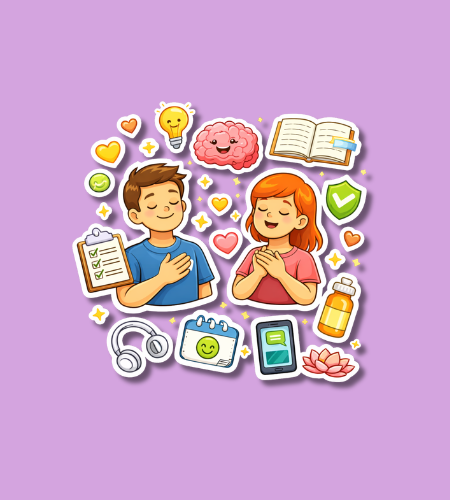
World Teen Mental Wellness Day is observed annually on March 2. This global initiative, established to support the emotional and psychological well-being of adolescents, focuses on education and the removal of social stigmas. By highlighting the unique pressures faced by young people today, the day encourages open dialogue between teens, parents, and educators to ensure that mental health is treated with the same importance as physical health.
Read also about World Mental Health Day and National Good Teen Day
Table of Contents
History of World Teen Mental Wellness Day
The origins of World Teen Mental Wellness Day are rooted in modern corporate social responsibility and youth advocacy. It was officially founded by the retail brand Hollister Co. in 2020 as part of the Hollister Confidence Project. This initiative was designed to support non-profit organizations that help teenagers navigate the transition into adulthood. While the holiday itself is a recent addition to the calendar, it addresses a historical gap in mental health advocacy that often overlooked the specific developmental needs of the 10-to-19 age group.
Historically, mental health issues in teenagers were frequently dismissed as “growing pains” or typical adolescent rebellion. However, as clinical research evolved, it became clear that 50% of all mental health conditions start by the age of 14. The establishment of this day on March 2 provides a recurring platform to share these statistics and promote early intervention. Since its inception, the day has gained international traction, with mental health professionals and global organizations using the date to distribute resources and host workshops tailored specifically to the digital generation.
Why is World Teen Mental Wellness Day important?
This observance is crucial because it directly tackles the stigma that prevents young people from seeking professional help. Many teenagers suffer in silence due to a fear of judgment or a lack of vocabulary to describe their internal struggles. By dedicating a day to teen wellness, society validates their experiences, confirming that it is acceptable to not be okay. This validation is a vital step in reducing the rates of untreated depression and anxiety, which currently account for a significant portion of global disease and injury among adolescents.
Furthermore, the day highlights the modern stressors that are unique to today’s youth, such as cyberbullying, social media comparison, and climate anxiety. Unlike previous generations, today’s teens are constantly connected to a digital world that can amplify feelings of inadequacy or isolation. World Teen Mental Wellness Day provides parents and mentors with the tools to recognize warning signs—like withdrawal from hobbies or changes in sleep patterns—before these issues escalate. It fosters a proactive rather than reactive approach to mental healthcare.
- One in five Americans experiences some form of mental illness during their lifetime.
- Most mental health conditions begin to manifest by age 14 but often go undiagnosed.
- Suicide remains one of the leading causes of death for individuals aged 10 to 19.
- Early intervention and trauma-informed care can prevent long-term substance abuse issues.
- Positive affirmations and mindfulness help teenagers build essential emotional resilience.
Warning Signs: Recognizing the Distress
Teen distress often hides behind “typical” moodiness. Watch for these shifts:
- Persistent sadness, excessive irritability, or emotional numbness.
- Unexplained aches, chronic fatigue, or major changes in sleep patterns (insomnia or oversleeping).
- Withdrawing from friends, declining grades, or engaging in high-risk activities.
Crucial Fact
Suicide is the second leading cause of death for ages 10–14. Any mention of self-harm or hopelessness requires immediate professional intervention.
For Parents: How to Support
Your goal isn’t to “fix” the problem instantly, but to be a safe harbor:
- Listen and Validate
Avoid the urge to give immediate advice. Say: “I can see why that’s upsetting,” or “That sounds really tough.” - Ask Open Questions
Instead of “Are you okay?”, try “What’s been on your mind lately?” or “How has school been feeling?” - Model Healthy Habits
Encourage 8–10 hours of sleep and balanced nutrition by practicing these habits yourself. - Create Low-Pressure Spaces
Use casual moments, like car rides or cooking together, to let conversation flow naturally without interrogation.
How to Observe World Teen Mental Wellness Day
To observe this day effectively, start by creating a non-judgmental environment for the teenagers in your life. Instead of asking high-pressure questions, try using open-ended prompts during casual activities like driving or cooking together. This approach allows teens to share their thoughts without feeling interrogated. For those who are teenagers themselves, the day is an opportunity to practice radical self-care, which might include a “digital detox” or starting a journaling habit to process complex emotions and track mood patterns.
Community involvement is another impactful way to mark the occasion. Educators can integrate mental wellness into their lesson plans, while local organizations can host workshops on stress management and healthy coping mechanisms. Using the hashtag #WorldTeenMentalWellnessDay on social media helps circulate life-saving resources, such as the 988 Suicide & Crisis Lifeline. Whether it is through donating to youth mental health charities or simply checking in on a friend, the goal is to ensure that every young person feels seen, heard, and supported.
- Practice mindfulness through deep breathing exercises or guided meditation sessions.
- Reach out to a trusted adult if you feel overwhelmed by academic or social stress.
- Set boundaries with social media by scheduling screen-free hours every day.
- Research the “Hollister Confidence Project” to find youth-led advocacy opportunities.
- Write down three things you are grateful for to shift focus away from negative thoughts.
World Teen Mental Wellness Day Dates Table
| Year | Date | Day |
|---|---|---|
| 2026 | March 2 | Monday |
| 2027 | March 2 | Tuesday |
| 2028 | March 2 | Thursday |
| 2029 | March 2 | Friday |
| 2030 | March 2 | Saturday |
Subscribe to our newsletter and never miss a holiday again!