
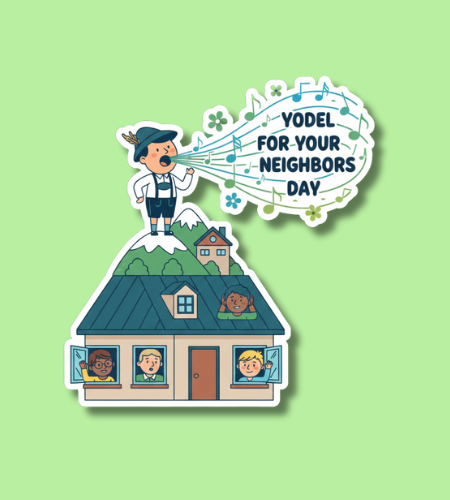
Yodel For Your Neighbors Day is observed on January 30. This lighthearted day encourages people to step outside their comfort zones and engage in a traditional vocal technique characterized by rapid changes in pitch. Unlike formal musical holidays, this day focuses on neighborly interaction and the simple joy of making noise for a friendly audience. It serves as a brief, energetic break from the quiet routine of winter life, inviting people to share a laugh with those living nearby through an unexpected and often humorous performance.
Table of Contents
History of Yodel For Your Neighbors Day
While the specific founder of this modern observance remains obscure, the practice of yodeling dates back thousands of years. Early evidence suggests it originated in Central Africa before becoming a vital communication tool in the Swiss Alps. In these rugged mountain regions, herders used yodeling to call their livestock or signal to inhabitants in distant villages separated by deep valleys. The high-pitched vocalizations were designed to travel across long distances, serving a practical function long before they were recognized as a form of musical entertainment.
Yodeling was introduced to the United States in the early 19th century by German and Swiss immigrants settling in Pennsylvania and the Appalachian Mountains. By the 1840s, touring Alpine singing groups popularized the sound across America, eventually influencing the development of country and western music. Famous performers like Jimmie Rodgers integrated the “blue yodel” into the American songbook, blending European traditions with Southern blues. This specific holiday was established to celebrate this cross-cultural history by bringing the outdoor, communicative spirit of yodeling into modern residential neighborhoods.
Why is Yodel For Your Neighbors Day important?
This day provides a unique opportunity to break the social barriers that often exist between neighbors in suburban or urban environments. By performing a yodel, an individual initiates a playful interaction that can lower social anxiety and spark conversation. It shifts the perception of yodeling from a difficult technical skill to a shared medium for humor and connection. This type of lighthearted disruption can strengthen the sense of community within a block or apartment building, making the environment feel more welcoming and less anonymous.
The observance also honors the historical significance of vocal communication. In an era dominated by digital messaging, using the human voice at its maximum range serves as a reminder of how our ancestors stayed connected. Learning the basic “break” in the voice required for yodeling encourages people to explore their own physical capabilities and appreciate the diverse folk traditions that have shaped global music. It promotes a spirit of boldness and vulnerability, as it requires a person to let go of self-consciousness in favor of collective enjoyment.
- Yodeling helps people practice breath control and expands their vocal range.
- The activity provides a natural stress release through loud, rhythmic expression.
- It preserves a historical method of long-distance communication.
- Neighborly interactions on this day can reduce feelings of social isolation.
- Participating in the holiday creates a memorable shared experience for the local community.
How to Celebrate Yodel For Your Neighbors Day
To participate, spend a few minutes practicing the transition between your “chest voice” and “head voice” to create the signature yodeling sound. Once you feel comfortable, step onto your porch, balcony, or sidewalk and deliver a short yodel to the surrounding area. It is helpful to warn your neighbors ahead of time or invite them to join in from their own yards to create a communal symphony of sound. The goal is not perfection, but rather the enthusiasm and the friendly intent behind the performance.
You can also celebrate by hosting a small outdoor gathering where guests learn about the different styles of yodeling, such as the wordless Swiss “naturjodel” or the melodic American “cowboy yodel.” Playing recordings of famous yodelers can provide inspiration and context for the day’s activities. If you are hesitant to perform solo, recording a video of your attempt and sharing it with your local neighborhood group chat is a modern way to spread the fun. Supporting the day ensures that this eccentric and joyful tradition continues to resonate in modern times.
- Step outside at a pre-arranged time to yodel for the people on your street.
- Listen to classic yodeling records to understand the rhythm and pitch changes.
- Teach a child or a friend the basic “yo-ti-low” syllable sequence.
- Record a short yodeling greeting to send to friends living in other areas.
- Wear traditional Alpine-inspired clothing to add a festive visual element to your song.
Yodel For Your Neighbors Day Dates Table
| Year | Date | Day |
|---|---|---|
| 2026 | January 30 | Friday |
| 2027 | January 30 | Saturday |
| 2028 | January 30 | Sunday |
| 2029 | January 30 | Tuesday |
| 2030 | January 30 | Wednesday |
Subscribe to our newsletter and never miss a holiday again!