
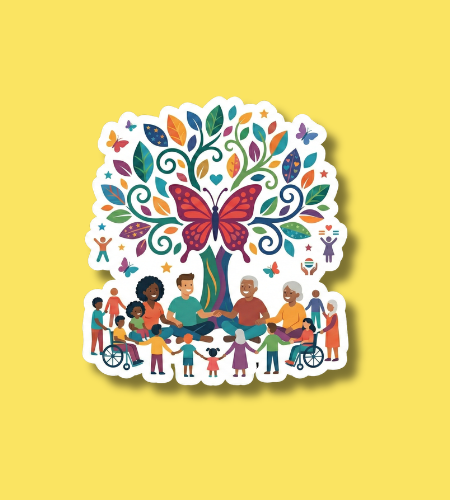
Zero Discrimination Day is observed on March 1. This day is a global movement led by UNAIDS and the United Nations to promote equality, inclusion, and the right of every individual to live a full and productive life with dignity. It serves as a call to action to eliminate all forms of discrimination, whether based on income, sex, age, health status, occupation, disability, sexual orientation, or ethnicity, emphasizing that every person counts.
Table of Contents
History of Zero Discrimination Day
The origins of this observance trace back to the Zero Discrimination Campaign launched by UNAIDS on World AIDS Day in December 2013. Michel Sidibé, the Executive Director of UNAIDS at the time, officially inaugurated the day on February 27, 2014, with a major event in Beijing. The United Nations first observed the holiday on March 1, 2014, as part of a broader strategy to ensure that stigma and unfair treatment do not stand in the way of achieving global health goals and basic human rights. 1
While the day was initially rooted in combating the stigma faced by people living with HIV/AIDS, its scope rapidly expanded to address systemic inequality in all layers of society. The butterfly was chosen as the official symbol of the day, representing the concept of positive transformation and the beauty of diversity. Over the last decade, the initiative has evolved into a worldwide platform that challenges discriminatory laws and encourages governments to enact legislation that protects the vulnerable and ensures equality before the law.
Why is Zero Discrimination Day important?
This day is critical because discrimination continues to be a primary barrier to health, education, and economic development for millions of people. Inequality is currently increasing for more than 70 percent of the world’s population, creating deep divisions and hindering social progress. By dedicating a day to zero tolerance for bias, the international community highlights how prejudice rooted in fear and misinformation can be dismantled through education and open dialogue.
The observance specifically focuses on the legal and social changes necessary to protect human dignity. Many countries still maintain laws that criminalize marginalized populations or restrict the rights of individuals based on their identity or health status. Zero Discrimination Day provides a stage for advocacy groups to hold states accountable, calling for the removal of harmful statutes and the implementation of policies that foster compassion, peace, and social justice at the grassroots level.
- The holiday recognizes that discrimination is a violation of fundamental human rights.
- It emphasizes that ending inequality is essential for achieving global health targets.
- Awareness of the day helps to empower marginalized groups to claim their legal rights.
- The observance promotes the value of diversity as a driver of innovation and social harmony.
- it reminds the public that one small act of inclusion can trigger a larger movement for change.
How to Celebrate Zero Discrimination Day
Celebrating this day begins with educating oneself about the different forms of discrimination that exist in local and global contexts. Many people participate by sharing their own stories of overcoming prejudice on social media using the butterfly symbol and the hashtag #ZeroDiscrimination. It is an ideal time to review personal biases and to actively engage in conversations that promote understanding and tolerance within your family, workplace, or social circles.
In professional and community settings, the day is often marked by seminars, workshops, and the review of diversity and inclusion policies to ensure they are fair and supportive. Organizations may host events that celebrate the unique backgrounds of their members, emphasizing that everyone should feel safe and respected regardless of their appearance or beliefs. Supporting non-profit organizations that fight for the rights of marginalized communities through donations or volunteer work is another practical way to contribute to the global goal of zero discrimination.
- Wear a butterfly pin or share the butterfly symbol online to show your solidarity.
- Sign petitions or support campaigns that advocate for the repeal of discriminatory laws.
- Organize a community discussion or film screening focused on inclusion and equity.
- Support businesses and organizations that prioritize diverse hiring and fair treatment.
- Challenge discriminatory language or behavior when you encounter it in daily life.
Zero Discrimination Day Dates Table
| Year | Date | Day |
|---|---|---|
| 2026 | March 1 | Sunday |
| 2027 | March 1 | Monday |
| 2028 | March 1 | Wednesday |
| 2029 | March 1 | Thursday |
| 2030 | March 1 | Friday |
Subscribe to our newsletter and never miss a holiday again!