
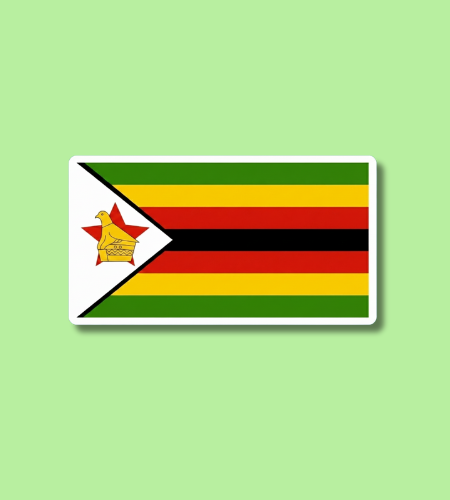
Zimbabwe Unity Day is a national holiday observed annually on December 22, commemorating a pivotal historic agreement that brought peace to the nation. This day marks the signing of the Unity Accord in 1987, an event that ended years of civil conflict and political tension in the newly independent country.
Table of Contents
History of Zimbabwe Unity Day
The origins of this holiday lie in the turbulent period following Zimbabwe’s independence in 1980. Deep divisions existed between the two major nationalist political parties: the Zimbabwe African National Union-Patriotic Front (ZANU-PF), led by Prime Minister Robert Mugabe, and the Patriotic Front-Zimbabwe African People’s Union (PF-ZAPU), led by Joshua Nkomo. These divisions escalated into civil unrest and violence, particularly in the Matabeleland and Midlands regions, a period known as Gukurahundi.
On December 22, 1987, after prolonged negotiations, Robert Mugabe and Joshua Nkomo signed the Unity Accord. This agreement formally merged the two rival parties into a single entity under the banner of ZANU-PF. The signing effectively ended the hostilities and was established as a national holiday to ensure the country would remember the importance of political tolerance and national cohesion. The handshake between the two leaders remains the enduring symbol of this reconciliation.
Why is Zimbabwe Unity Day important?
Unity Day serves as a crucial reminder of the value of peace and the devastating cost of internal conflict. It acknowledges a painful chapter in the nation’s history while celebrating the decision to choose dialogue over violence. For many Zimbabweans, the day is an opportunity to reflect on the fragility of stability and the necessity of putting national interest above tribal or political affiliations.
The day also functions as a reinforcement of national identity. In a country with diverse ethnic groups, languages, and cultural backgrounds, Unity Day promotes the idea of a singular, united Zimbabwean identity. It is a time when the government and civil society organizations emphasize themes of togetherness, aiming to bridge the gaps that still exist within society and foster a sense of collective belonging.
- It commemorates the end of the Gukurahundi conflict.
- The day honors the merging of ZANU-PF and PF-ZAPU.
- It promotes political tolerance and non-violence.
- The holiday encourages a unified national identity.
- It reminds citizens of the historical leadership of Nkomo and Mugabe.
How to Celebrate Zimbabwe Unity Day
The government typically organizes official celebrations, including rallies and speeches by political leaders at major stadiums across the country. These events often feature cultural performances, music, and addresses that revisit the history of the liberation struggle and the 1987 Accord. Attending these gatherings is a common way for citizens to show solidarity and stay informed about national issues.
For many people, the day is enjoyed as a public holiday spent with family and friends. It is a popular time for social gatherings, “braais” (barbecues), and sports tournaments. Local communities often organize Unity Day soccer matches or musical concerts to bring youth together. On a personal level, it is a day for rest and reflection on what it means to live in a peaceful society.
- Attend an official government rally or speech.
- Host a braai (barbecue) with family and friends.
- Participate in a local Unity Day sports tournament.
- Visit statues or memorials dedicated to Joshua Nkomo.
- Reflect on the history of the Unity Accord.
Zimbabwe Unity Day Dates Table
| Year | Date | Day |
|---|---|---|
| 2026 | December 22 | Tuesday |
| 2027 | December 22 | Wednesday |
| 2028 | December 22 | Friday |
| 2029 | December 22 | Saturday |
| 2030 | December 22 | Sunday |
Subscribe to our newsletter and never miss a holiday again!