
St. Andrew’s Day

St. Andrew’s Day is celebrated every year on November 30, honoring Saint Andrew the Apostle and recognizing his role as a spiritual figure in many Christian traditions. In 2026, this date falls on a Monday. While the day is marked worldwide, Scotland is the principal country where November 30 is an official national holiday, blending faith, culture and deep-rooted heritage into one meaningful observance.
Contents
HT Meter
Does this day matter to you?
Tap the meter if it does, and say whether you will be celebrating — that is what opens the wishes from everybody else who will be.
This day matters to me
0 Be the first to say so
Just getting started
0 Let others know you’re in.
Wishes, greetings and stories
Join the celebration to share a wish, a greeting, or how this day goes in your house.
These are kept for the people celebrating this day. Say you will be celebrating to read them and to add your own.
You have already shared something here recently.
Nothing here yet. Yours would be the first.
History of St. Andrew’s Day
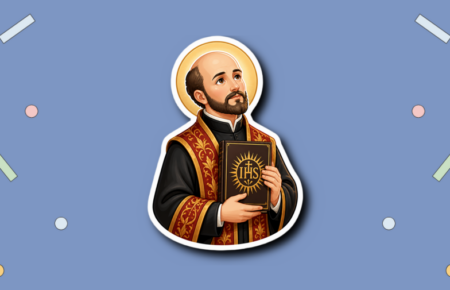
Saint Andrew was one of the twelve apostles and is believed to have preached across regions such as Greece and Asia Minor before being martyred on an X-shaped cross. His story spread widely through early Christian communities, eventually earning him recognition as a patron saint in several countries.
Scotland’s connection to Saint Andrew dates back many centuries. By the Middle Ages he was firmly established as the country’s patron saint, his cross becoming the symbol of the Scottish Saltire. The day has long been observed as his feast, and since 2006 it has been recognized as a bank holiday in Scotland.
Why St. Andrew’s Day is important
The day preserves and celebrates heritage in Scotland and beyond. In Scotland it highlights national identity, traditions, music and shared history, while in other countries it remains an important religious feast or cultural event tied to local customs.
It also connects communities to a wider spiritual legacy. Saint Andrew’s life and teachings continue to inspire Christian communities across Europe and the world, making November 30 a meaningful day of faith and reflection.
- It honors Saint Andrew as an important spiritual figure.
- It celebrates Scotland’s national heritage, where the day is an official holiday.
- It reflects diverse traditions in countries that also venerate Saint Andrew.
- It fosters unity through shared cultural and religious roots.
- It provides a moment to reconnect with history and community identity.
How to Celebrate St. Andrew’s Day
Make it yours
How would you like to spend St. Andrew's Day?
Tick what fits you, and we will put together ideas made for this day — not for any day.
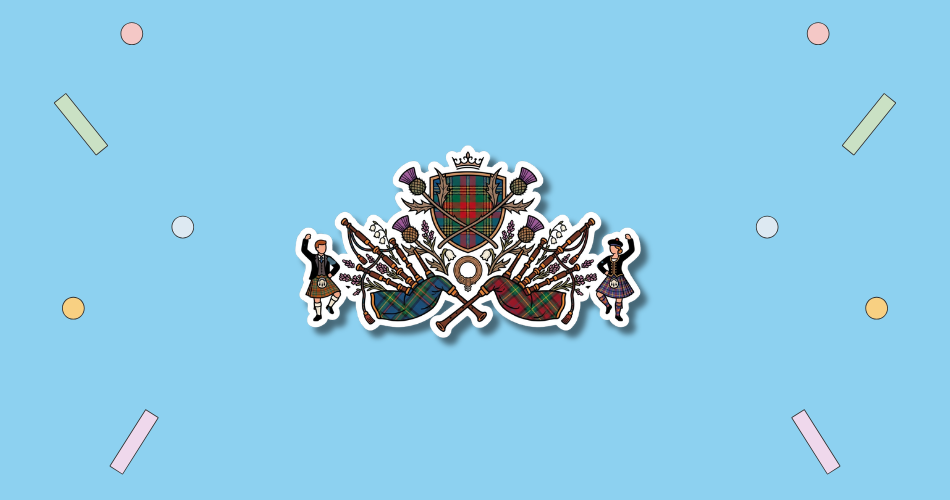
National Tartan Day
In Scotland the day often features music, dance, traditional food and festive gatherings, with many people displaying the Saltire or joining community events.
In other countries celebrations vary: Greece holds services dedicated to Saint Andrew, Romania observes the day as a national holiday rich in folk customs, and Poland marks “Andrzejki,” known for fortune-telling traditions on the eve of November 30.
- Attend or enjoy Scottish-themed events or cultural gatherings.
- Join church services dedicated to Saint Andrew.
- Explore traditions from Greece, Romania, Poland or other countries.
- Learn stories about Saint Andrew and local customs tied to him.
- Spend time with family or heritage communities in reflection or celebration.
St. Andrew’s Day Dates Table
| Year | Date | Day of the week |
|---|---|---|
| 2026 next | November 30 | Monday |
| 2027 | November 30 | Tuesday |
| 2028 | November 30 | Thursday |
| 2029 | November 30 | Friday |
| 2030 | November 30 | Saturday |

Sorry to hear you didn't enjoy this article...
Help us make it better!