



Day of the Dead
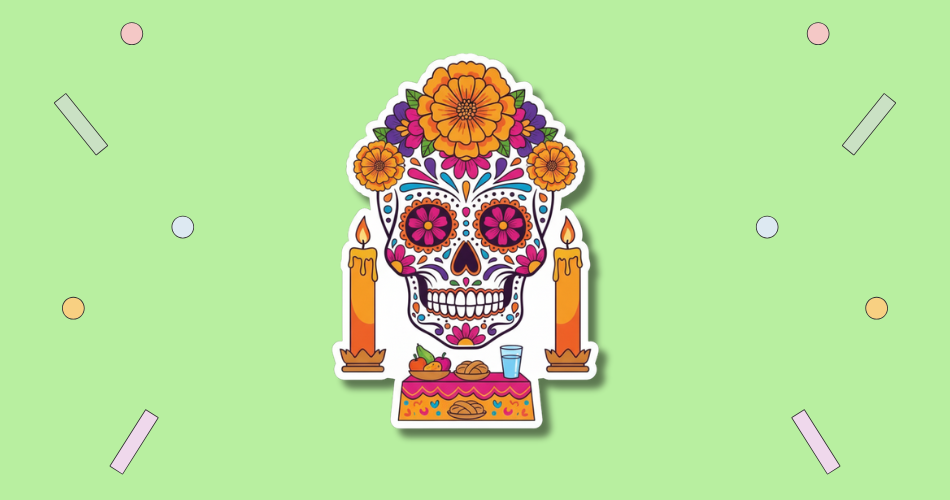
Day of the Dead is celebrated every year on November 1 and November 2, a vibrant and meaningful time when the living remember and honor those who have died. In 2026, this date falls on a Sunday. The holiday is filled with color, light, and a deep sense of connection, reminding us that love and memory never truly fade.
Contents
See also: Weird Holidays
HT Meter
Does this day matter to you?
Say that it does, and say whether you will be marking it. Both are anonymous to nobody but kind to everybody.
This day matters to me
0 Be the first to say so
Quietly remembered
0 Nobody has said so yet
Notes of remembrance
Join those marking this day to share a word, a memory, or the reason it matters to you.
These notes are kept for the people marking this day. Say you will be marking it to read them and to leave your own.
You have already shared a note here recently.
No notes yet. Yours would be the first.
History of Day of the Dead
The roots of Day of the Dead go back more than 3,000 years to ancient Mesoamerican cultures, where death was seen not as an end but as a natural part of the cycle of life. Indigenous peoples honored the spirits of ancestors with offerings, food, and dance, believing that during certain days each year, the souls of the dead returned to visit the living.
All Souls Day
When Spanish colonizers arrived, these indigenous beliefs merged with Catholic traditions such as All Saints Day and All Souls Day. Over time, the celebration evolved into the two-day festival known today—November 1 is often dedicated to the souls of children, and November 2 to adults. The modern Day of the Dead continues to blend faith, family, and culture in a powerful expression of remembrance.
Why is Day of the Dead important?
Day of the Dead invites people to celebrate life through remembrance. It’s not a day of sorrow, but of gratitude and joy—a way to acknowledge that those who came before us still shape who we are. By decorating altars, visiting graves, and telling stories, families reaffirm that love is stronger than death and memory keeps relationships alive.
It’s also a celebration of identity and heritage. Through music, art, and food, the holiday expresses a unique worldview that embraces impermanence while finding beauty and color in it. The traditions show that mourning and celebration can exist side by side, and that death is part of life’s shared rhythm.
- It strengthens the connection between generations
- It turns remembrance into a joyful celebration
- It encourages gratitude for life and loved ones
- It keeps cultural traditions alive through ritual and art
- It transforms grief into a sense of togetherness and peace
How to Observe Day of the Dead
Make it yours
How would you like to spend Day of the Dead?
Tick what fits you, and we will put together ideas made for this day — not for any day.
Visit a Cemetery Day
You can observe Day of the Dead by creating an ofrenda (altar) at home with photos of loved ones, candles, flowers, and their favorite foods. Spend a few quiet minutes remembering them, saying their names, or sharing their stories with others. The act of preparing the altar itself is an expression of love and gratitude.
Attending community events, watching parades, or visiting cemeteries to decorate graves are also meaningful ways to participate. Sharing pan de muerto (bread of the dead), sugar skulls, or marigolds with family and friends brings the tradition to life. The key is not just to watch, but to take part—with sincerity, respect, and warmth.
- Build a small altar at home with candles and photos
- Visit a cemetery and decorate a loved one’s resting place
- Cook or share traditional foods like pan de muerto or sugar skulls
- Tell stories or look through old photos with family
- Join a community Day of the Dead celebration or parade
Day of the Dead Dates Table
| Year | Date | Day of the week |
|---|---|---|
| 2026 next | November 1 | Sunday |
| 2027 | November 1 | Monday |
| 2028 | November 1 | Wednesday |
| 2029 | November 1 | Thursday |
| 2030 | November 1 | Friday |

Death (Duty) Day
| Year | Date | Day of the week |
|---|---|---|
| 2026 next | November 2 | Monday |
| 2027 | November 2 | Tuesday |
| 2028 | November 2 | Thursday |
| 2029 | November 2 | Friday |
| 2030 | November 2 | Saturday |