
National Napping Day

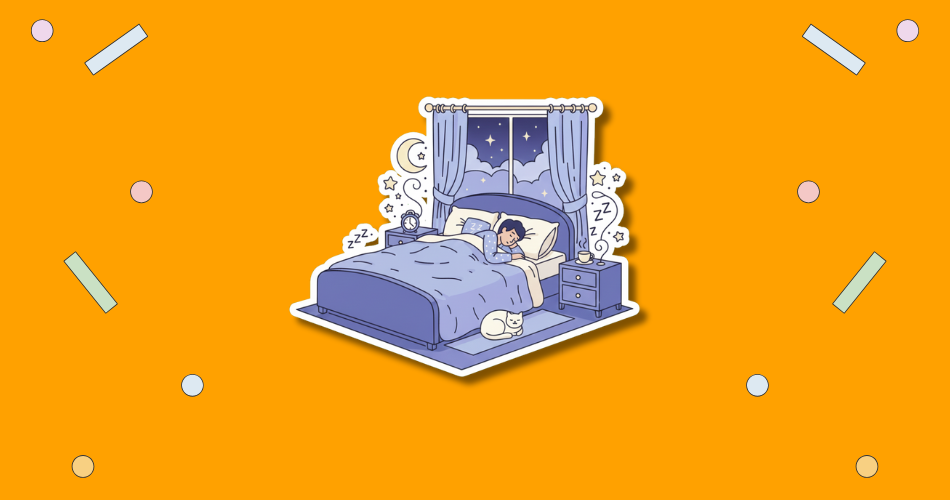
National Napping Day is observed on the Monday after Daylight Saving Time begins. In 2026, it falls on March 9. This day was created to help people adjust to the one-hour loss of sleep that occurs when clocks “spring forward” over the weekend. By encouraging a mid-day rest, the holiday aims to offset the grogginess and decreased productivity often felt during the first workweek of the new time schedule.
Contents
HT Meter
Does this day matter to you?
Tap the meter if it does, and say whether you will be celebrating — that is what opens the wishes from everybody else who will be.
This day matters to me
0 Be the first to say so
Just getting started
0 Let others know you’re in.
Wishes, greetings and stories
Join the celebration to share a wish, a greeting, or how this day goes in your house.
These are kept for the people celebrating this day. Say you will be celebrating to read them and to add your own.
You have already shared something here recently.
Nothing here yet. Yours would be the first.
Read also about National Public Sleeping Day
History of National Napping Day
The observance was established in 1999 by William Anthony, a professor at Boston University, and his wife Camille Anthony. Their goal was to highlight the health benefits of quality sleep and to push back against the cultural stigma that associates napping with laziness. They intentionally chose the Monday following the start of Daylight Saving Time, noting that the American public is statistically more sleep-deprived on this specific day than at any other time of the year.
National Public Sleeping Day
Since its inception, the day has evolved from a local university initiative into a widely recognized wellness event. The Anthonys used their platform to share research showing that brief periods of rest can significantly improve mood and cognitive function. Today, many corporations and health organizations use the day to promote workplace wellness, with some even providing designated quiet zones or “nap pods” to help employees recharge during their breaks.
Why is National Napping Day important?
A short nap acts as a powerful restorative tool for the brain, helping to clear out metabolic waste and consolidate memories learned earlier in the day. Research indicates that even a 20-minute “power nap” can enhance alertness and reduce the risk of accidents caused by fatigue. For individuals struggling with the sudden shift in their circadian rhythms due to the time change, a scheduled rest can prevent the physical stress and irritability that often accompany sleep deprivation.
Beyond immediate alertness, napping has long-term benefits for cardiovascular and mental health. Regular, brief naps are linked to lower blood pressure and reduced stress levels, as they allow the nervous system to shift out of a high-alert state. This day is important because it legitimizes rest as a necessary component of a healthy lifestyle rather than a luxury. By participating, people can experience firsthand how a small investment in sleep can lead to a more energetic and focused afternoon.
- Short naps significantly improve reaction times and motor skills.
- Daytime rest helps regulate emotions and reduces feelings of anxiety.
- Napping can be more effective than caffeine for memory retention.
- A brief snooze lowers the hormone levels associated with physical stress.
- Consistent napping habits are linked to better heart health in adults.
How to Celebrate National Napping Day
Make it yours
How would you like to spend National Napping Day?
Tick what fits you, and we will put together ideas made for this day — not for any day.
World Sleep Day
The most effective way to celebrate is to schedule a 10- to 20-minute nap during the early afternoon, ideally between 1:00 p.m. and 3:00 p.m. To get the most out of the experience, find a quiet, dark environment and set an alarm to prevent oversleeping, which can lead to a groggy feeling known as sleep inertia. If a full nap isn’t possible, simply sitting quietly with eyes closed for several minutes can still provide a valuable mental reset and help lower the heart rate.
You can also celebrate by optimizing your personal sleep environment for better rest year-round. This might include investing in blackout curtains, a comfortable eye mask, or high-quality bedding that regulates temperature. Sharing information about the science of sleep on social media helps spread the message that rest is a vital part of productivity. For those in leadership positions, the day is an opportunity to encourage staff to take their full breaks and prioritize their well-being during the challenging transition to Daylight Saving Time.
- Set a timer for 20 minutes to avoid entering deep sleep cycles.
- Find a cool, dark place to minimize distractions while resting.
- Use a weighted blanket or eye mask to help the body relax quickly.
- Try a “coffee nap” by drinking caffeine immediately before a short snooze.
- Share sleep hygiene tips with friends and colleagues to promote wellness.
National Napping Day Dates Table
| Year | Date | Day of the week |
|---|---|---|
| 2026 | March 9 | Monday |
| 2027 next | March 15 | Monday |