

Abolition Day
Abolition Day is commemorated annually on April 27. In 2027, this date falls on a Tuesday. This public holiday honors the end of slavery and is observed in several French overseas territories, including Mayotte, Martinique, Guadeloupe, and Saint Martin, each with its own date tied to local abolition events.
Contents
HT Meter
Does this day matter to you?
Say that it does, and say whether you will be marking it. Both are anonymous to nobody but kind to everybody.
This day matters to me
0 Be the first to say so
Quietly remembered
0 Nobody has said so yet
Notes of remembrance
Join those marking this day to share a word, a memory, or the reason it matters to you.
These notes are kept for the people marking this day. Say you will be marking it to read them and to leave your own.
You have already shared a note here recently.
No notes yet. Yours would be the first.
History of Abolition Day
Abolition Day marks the moment when slavery was legally abolished in specific French colonies. In Mayotte, the date corresponds to the 1841 decree that ended slavery on the island, a milestone in the broader French abolition movement. The holiday serves as a reminder of the struggles and sacrifices of enslaved people who fought for their freedom.
Across the French Caribbean and Indian Ocean territories, similar dates were chosen to reflect local emancipation proclamations. For example, Martinique observes May 22, Guadeloupe marks May 27, and Saint Martin honors May 28. These dates were enshrined as public holidays to ensure that the memory of abolition remains central to the cultural identity of these communities.
Why is Abolition Day important?
Abolition Day is a powerful symbol of human rights and the triumph of justice over oppression. It reminds societies of the atrocities of slavery and the ongoing need to fight for equality. The day also celebrates the resilience and contributions of people of African descent who built cultures and communities despite centuries of bondage.
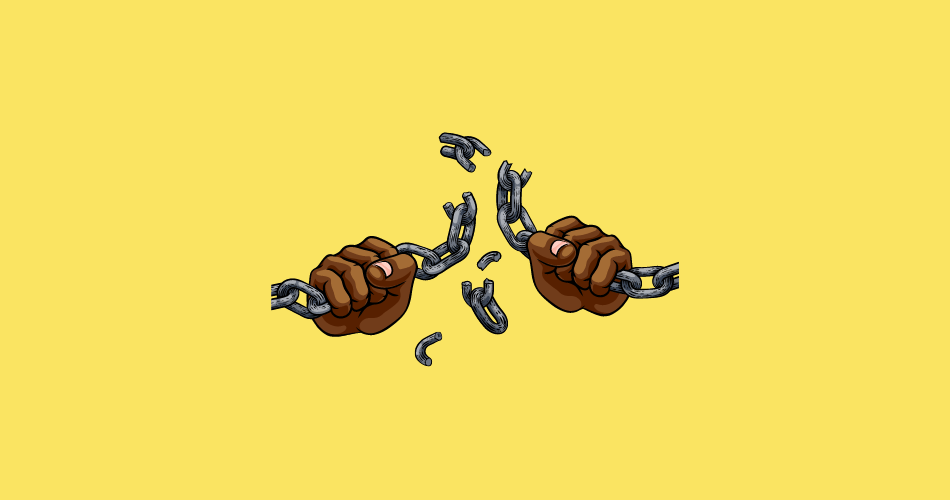
Day for Remembrance of the Slave Trade and Its Abolition
Recognizing this history helps prevent future injustices and fosters a deeper understanding of the legacy of colonialism. It is a day for education, reflection, and solidarity.
- It honors the millions who suffered under slavery and those who fought for emancipation.
- It reinforces the importance of freedom as a fundamental human right.
- It provides an opportunity to learn about the history of slavery in France and its colonies.
- It strengthens community bonds through shared remembrance and cultural events.
- It encourages dialogue about modern forms of slavery and human trafficking.
How to Celebrate Abolition Day
Make it yours
How would you like to spend Abolition Day?
Tick what fits you, and we will put together ideas made for this day — not for any day.
Many communities mark Abolition Day with cultural festivals, parades, and educational programs. Schools and local organizations host talks, exhibitions, and performances that highlight the history and heritage of the African diaspora. Families gather for traditional meals and storytelling, passing down oral histories to younger generations.
Public ceremonies often include the laying of wreaths at monuments dedicated to abolitionists and former slaves. Music, dance, and art play a central role in the celebrations, reflecting the vibrant cultures that emerged from the struggle for freedom.
- Attend a local parade or cultural festival featuring traditional music and dance.
- Prepare a meal of traditional dishes that have been passed down through generations.
- Visit a museum or historical site that focuses on the history of slavery and abolition.
- Read a book or watch a documentary about the abolition movement in the French Caribbean and Indian Ocean.
- Share stories and family histories with younger relatives to keep the memory alive.
Abolition Day Dates
| Year | Date | Day of the week |
|---|---|---|
| 2026 | April 27 | Monday |
| 2027 next | April 27 | Tuesday |
| 2028 | April 27 | Thursday |
| 2029 | April 27 | Friday |
| 2030 | April 27 | Saturday |
Sorry to hear you didn't enjoy this article...
International Day for the Abolition of Slavery
Help us make it better!