

Bastille Day
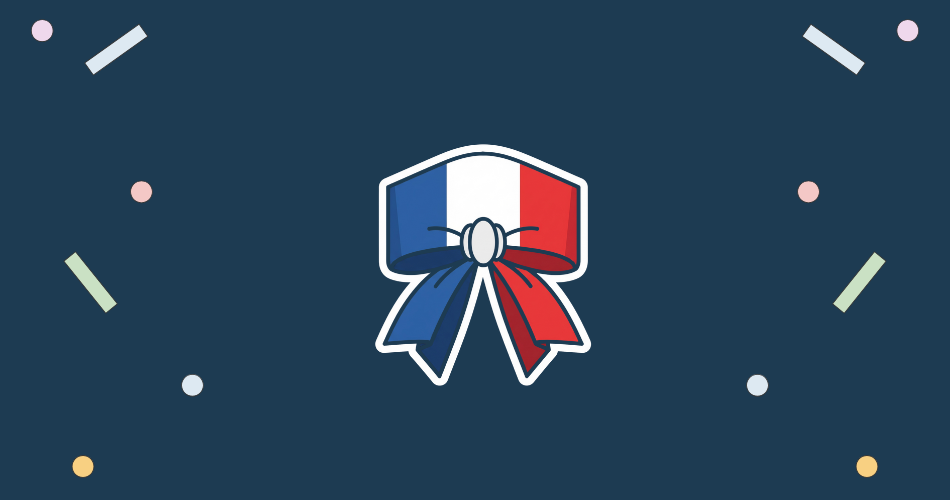
Bastille Day, known in France as le 14 juillet or la Fête nationale, is observed every year on July 14. In 2027, this date falls on a Wednesday. This national holiday commemorates the storming of the Bastille prison in 1789 and celebrates the ideals of liberty, equality, and fraternity that underpin the French Republic.
Contents
HT Meter
Does this day matter to you?
Say that it does, and say whether you will be marking it. Both are anonymous to nobody but kind to everybody.
This day matters to me
0 Be the first to say so
Quietly remembered
0 Nobody has said so yet
Notes of remembrance
Join those marking this day to share a word, a memory, or the reason it matters to you.
These notes are kept for the people marking this day. Say you will be marking it to read them and to leave your own.
You have already shared a note here recently.
No notes yet. Yours would be the first.
History of Bastille Day
The pivotal moment occurred on July 14, 1789, when Parisian citizens attacked the Bastille fortress—initially to seize weapons and gunpowder, and ultimately as a symbolic act against royal authority. Though only seven prisoners were freed, the event marked “the first expression of the French people’s wish to obtain their liberty and civic emancipation”. This clash ignited the French Revolution and became a defining act against the absolute power of King Louis XVI.
A year later, on July 14, 1790, the Fête de la Fédération celebrated national unity and a hopeful constitutional monarchy. However, the holiday as we know it wasn’t officially established until 1880, under the Third Republic. Lawmakers fused both the Bastille’s storming and the Fête de la Fédération into a unified celebration of the republic’s founding values.
Why Bastille Day matters
Bastille Day draws its power from more than a historical event—it resonates as a living symbol of resistance to oppression. It reminds us that ordinary people, armed with courage and conviction, can dismantle entrenched structures of power and build a more equitable society.
National French Bread Day
Beyond that, the day is an affirmation of shared values: liberté, égalité, fraternité. Across France—and increasingly around the world—it’s a moment to reflect on how those ideals shape contemporary struggles for justice and human rights. In essence, it ties the past to ongoing efforts toward freedom and democratic unity.
- it marks the moment ordinary people challenged tyranny
- it reminds us that democracy can be reclaimed
- it celebrates the unity born from revolution and federation
- it honors both history and current human-rights efforts
- it links past courage to modern values of liberty and equality
How to observe Bastille Day
Make it yours
How would you like to spend Bastille Day?
Tick what fits you, and we will put together ideas made for this day — not for any day.
If you’re in France, don’t miss the iconic military parade on the Champs-Élysées, the oldest and largest of its kind in Europe—complete with flyovers and official speeches. In the evening, spectacular fireworks by the Eiffel Tower light up the sky, often accompanied by concerts and communal festivities.
Elsewhere, you can join French-themed dinners or gatherings, featuring classics like cheese, baguette, pâté, crepes, and champagne. You could also host a cultural evening—screen a French film, learn a chanson, or discuss revolutionary history. Whether grand or intimate, celebrating Bastille Day is about honoring freedom and fellowship.
- watch or attend a parade to experience the national display
- enjoy fireworks and toasts—wine, cheese, and inviting music
- prepare French dishes and share them with friends
- reflect on how liberty, equality and fraternity apply today
- stream iconic French speeches, films or songs
Bastille Day Dates Table
| Year | Date | Day |
|---|---|---|
| 2026 | July 14 | Tuesday |
| 2027 | July 14 | Wednesday |
| 2028 | July 14 | Friday |
| 2029 | July 14 | Saturday |
| 2030 | July 14 | Sunday |

Sorry to hear you didn't enjoy this article...
Saint-Jean-Baptiste Day
Help us make it better!