


Bird Day
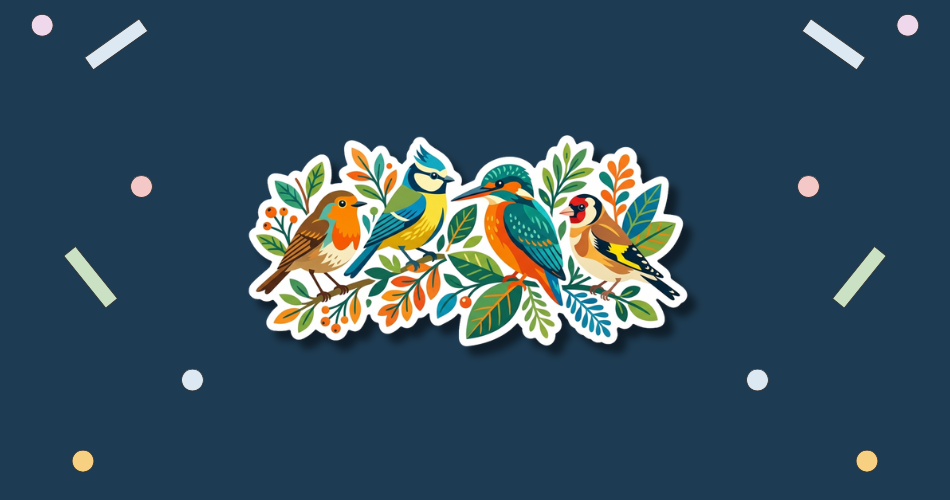
Bird Day is celebrated annually in the United States on May 4. In 2027, this date falls on a Tuesday. This observance encourages the protection of bird species and their natural habitats across the country. It serves as a dedicated time to appreciate the ecological contributions of birds and the beauty of their presence in the environment.
Contents
See also: National Bird Day, Great Backyard Bird Count, World Migratory Bird Day
HT Meter
Does this day matter to you?
Tap the meter if it does, and say whether you will be celebrating — that is what opens the wishes from everybody else who will be.
This day matters to me
0 Be the first to say so
Just getting started
0 Let others know you’re in.
Wishes, greetings and stories
Join the celebration to share a wish, a greeting, or how this day goes in your house.
These are kept for the people celebrating this day. Say you will be celebrating to read them and to add your own.
You have already shared something here recently.
Nothing here yet. Yours would be the first.
History of Bird Day
Charles Almanzo Babcock, the superintendent of schools in Oil City, Pennsylvania, established the first Bird Day in 1894. He believed that educating children about bird conservation was a vital moral duty. By integrating the study of birds into the school curriculum, Babcock hoped to foster a sense of responsibility toward nature and discourage the destruction of nests and habitats. The initiative gained rapid popularity and soon spread to other states.
National Bird Day
The holiday is distinct from National Bird Day, which occurs in January, and focuses specifically on the appreciation of wild birds and their role in the local ecosystem. Over a century after its inception, the day remains a legacy of early American conservation efforts. It played a significant role in the development of the first bird protection laws and helped shift public perception of birds from resources to be harvested to creatures to be protected.
Why is Bird Day important?
Birds act as essential indicators of environmental health. They perform critical roles such as pollinating plants, dispersing seeds, and controlling insect populations that could otherwise damage crops or forests. By monitoring bird populations, scientists can gain insights into the overall stability of local ecosystems and identify potential environmental shifts early.
This day specifically emphasizes the welfare of native bird species. It highlights the challenges these animals face, including habitat loss and climate changes that impact migration patterns. Focusing on avian life helps maintain the biodiversity necessary for a balanced natural world. Protecting birds ensures that these natural processes continue to function without human intervention.
- Birds help control pests by eating millions of insects every day.
- They serve as important pollinators for many native flowering plants.
- Seed dispersal by birds allows for the regeneration of forests and meadows.
- Avian species are key links in the food chain for other wildlife.
- The presence of birds enhances the psychological well-being of humans through birdsong.
How to Celebrate Bird Day
Make it yours
How would you like to spend Bird Day in the USA?
Tick what fits you, and we will put together ideas made for this day — not for any day.
National Go Birding Day
Setting up a bird-friendly environment is a direct way to support local species. Homeowners can install feeders filled with high-quality seeds like sunflower chips or suet to help birds maintain their energy. Adding a clean birdbath provides a reliable source of water for drinking and preening, which is especially important during warmer spring months.
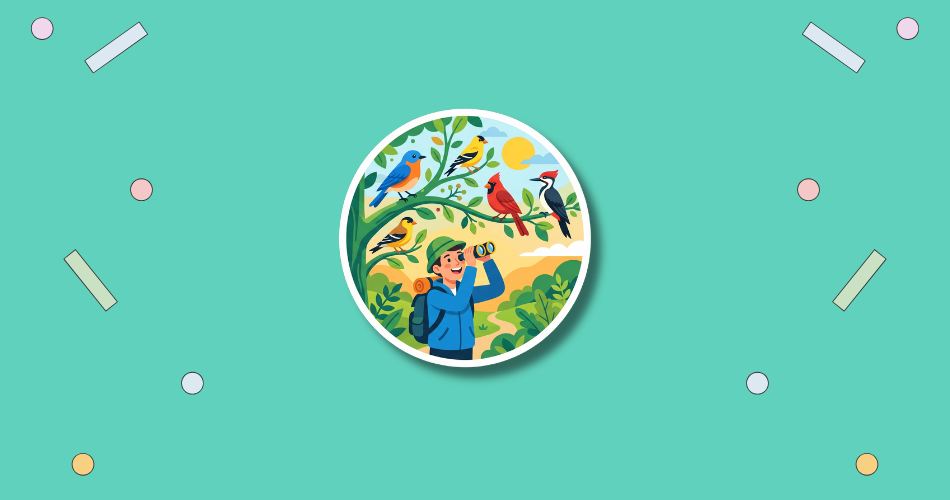
Learning to identify local birds through a field guide or mobile app turns a simple walk into an educational experience. Sharing this knowledge with younger generations continues the tradition of avian advocacy started by Charles Babcock. Observing birds in their natural surroundings allows people to notice the unique behaviors and colorful plumage of different species without disturbing them.
- Put up birdhouses to provide safe nesting sites for local cavity-nesting birds.
- Clean out existing bird feeders to prevent the spread of diseases.
- Plant native trees or shrubs that provide natural food and cover.
- Record the different types of birds spotted in the backyard or a local park.
- Place decals on windows to prevent birds from accidentally flying into the glass.
Bird Day Dates Table
| Year | Date | Day of the week |
|---|---|---|
| 2026 | May 4 | Monday |
| 2027 next | May 4 | Tuesday |
| 2028 | May 4 | Thursday |
| 2029 | May 4 | Friday |
| 2030 | May 4 | Saturday |