

Bloomsday
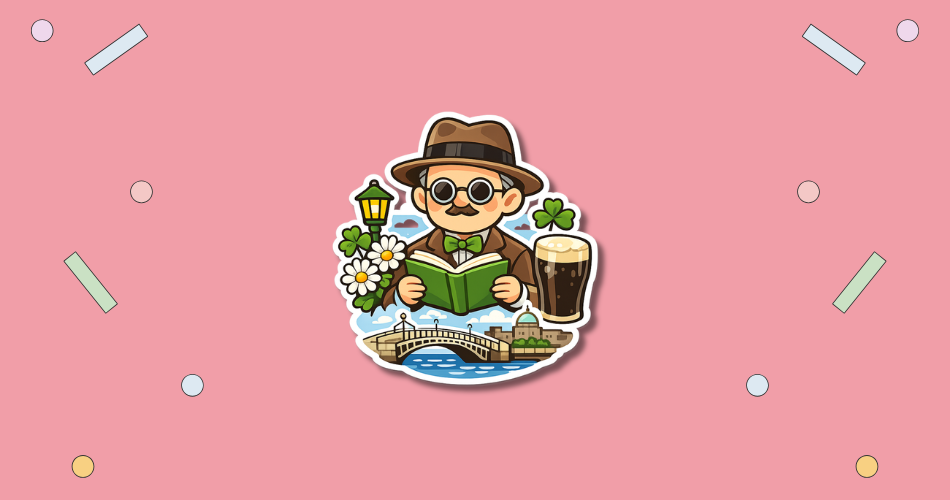
Bloomsday is observed every year on June 16. In 2027, this date falls on a Wednesday. The day celebrates James Joyce’s novel Ulysses, which follows Leopold Bloom, Stephen Dedalus, Molly Bloom, and other characters through Dublin on June 16, 1904. It is a literary and cultural holiday rooted in one book, one city, and one unusually detailed fictional day. People mark it with readings, walking tours, performances, lectures, period clothing, and visits to places connected with the novel. 1 2
Contents
See also: GOAL Mile, National Limerick Day
HT Meter
Does this day matter to you?
Tap the meter if it does, and say whether you will be celebrating — that is what opens the wishes from everybody else who will be.
This day matters to me
0 Be the first to say so
Just getting started
0 Let others know you’re in.
Wishes, greetings and stories
Join the celebration to share a wish, a greeting, or how this day goes in your house.
These are kept for the people celebrating this day. Say you will be celebrating to read them and to add your own.
You have already shared something here recently.
Nothing here yet. Yours would be the first.
History of Bloomsday
Bloomsday takes its name from Leopold Bloom, one of the central characters in Ulysses. Joyce chose June 16, 1904, as the date for the novel’s events, and that same date also had personal meaning in his life because it was connected with Nora Barnacle, who later became his wife. Ulysses was published in 1922, and admirers soon began treating June 16 as a date worth marking. A letter from Joyce in 1924 refers to people observing “Bloom’s day,” making that one of the earliest recorded references to the custom.
Myles Day
The first well-known Irish Bloomsday took place in 1954, on the 50th anniversary of the fictional events in Ulysses. Writers and literary figures set out to follow parts of Bloom’s route through Dublin, beginning with sites tied closely to the novel and its opening chapters. The journey was part pilgrimage, part performance, and part tribute to Joyce’s complicated relationship with Dublin. Over time, Bloomsday grew into a broader festival of readings, reenactments, tours, food, costumes, scholarship, and public enjoyment of a novel that many readers find both demanding and deeply alive.
Why is Bloomsday important?
Bloomsday matters because it turns reading into a lived experience. Ulysses is famous for its experimental style, but Bloomsday gives people a practical way into the book by connecting passages on the page with streets, pubs, shops, homes, and shorelines in Dublin. The day helps readers notice how Joyce used ordinary errands, conversations, meals, memories, jokes, grief, and private thoughts to build a large literary world from one ordinary day. It also makes space for people who may not have read the whole novel but still want to understand its place in modern literature.
The day also shows how a city can preserve literary memory without keeping it locked inside classrooms. Dublin is not just a backdrop in Ulysses; it is part of the structure, sound, and movement of the novel. Bloomsday keeps that connection visible through walking routes, public readings, museum programs, and performances that bring Joyce’s characters back into the city. The result is a holiday that blends literature, local history, theater, humor, and close attention to place.
- It keeps James Joyce’s work in public view.
- It connects readers with Dublin’s literary geography.
- It makes a difficult novel easier to approach.
- It supports live readings, performances, and cultural events.
- It treats everyday city life as worthy of art.
How to Celebrate Bloomsday
Make it yours
How would you like to spend Bloomsday?
Tick what fits you, and we will put together ideas made for this day — not for any day.

Book Lovers Day
Read a short passage from Ulysses, even if the whole novel feels intimidating. A single episode can give a strong sense of Joyce’s language, humor, rhythm, and close attention to thought. People in Dublin often follow parts of Leopold Bloom’s route, but readers elsewhere can mark the day with a local reading group, a library event, or a discussion of Joyce’s influence on fiction. Dressing in early 1900s-inspired clothing, especially a straw boater hat, is also a familiar part of many Bloomsday gatherings.
Food and setting can make the day more vivid. Some people recreate details from the novel, such as a simple lunch inspired by Bloom’s stop at Davy Byrne’s pub, while others watch performances, listen to recordings, or explore maps of Joyce’s Dublin. A thoughtful way to approach the day is to pay attention to ordinary routines: walking through a neighborhood, noticing shopfronts, overheard speech, public spaces, and small private thoughts. That kind of attention is close to the spirit of Ulysses, where the everyday becomes dense with memory and meaning.
- Read one episode from Ulysses aloud.
- Join a public reading or literary event.
- Take a walking tour of Joyce-related sites.
- Wear Edwardian-inspired clothing or a straw hat.
- Learn about Leopold Bloom’s Dublin route.
Bloomsday Dates
| Year | Date | Day of the week |
|---|---|---|
| 2026 | June 16 | Tuesday |
| 2027 next | June 16 | Wednesday |
| 2028 | June 16 | Friday |
| 2029 | June 16 | Saturday |
| 2030 | June 16 | Sunday |