
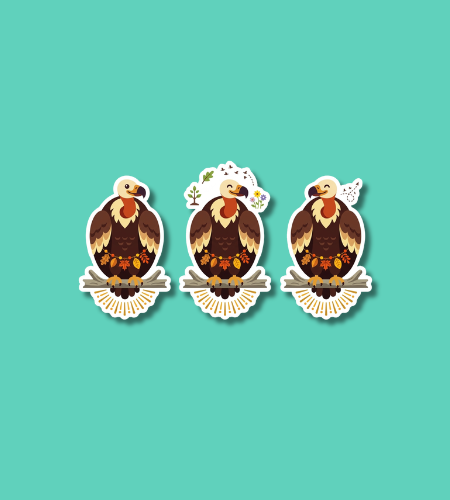
Buzzards Day is observed on March 15. In 2026, it falls on March 15. This day celebrates the annual return of turkey vultures, colloquially known as buzzards, to their summer nesting grounds. While primarily focused on a famous migration event in Ohio, it has become a broader occasion to appreciate the vital role these scavengers play in the environment.
Read also about World Beard Day
Table of Contents
History of Buzzards Day
The tradition is centered in Hinckley, Ohio, where local folklore suggests that the buzzards return to the rocky outcrops of Whipp’s Ledges every year on this exact date. One legend traces the origin back to the Great Hinckley Hunt of 1818, when settlers cleared large numbers of predatory animals to protect their livestock. The remains of the hunt allegedly attracted the vultures, establishing a seasonal pattern of return. While biologists note that migration is influenced by weather, the community has maintained the March 15 arrival as a localized phenomenon for over two centuries.
The modern public celebration began in 1957 when Walter Nawalaniec, a patrolman for the Cleveland Metroparks, told a newspaper reporter that the birds arrived on the same day every year. The story gained national attention, leading to a massive turnout of nearly 9,000 visitors that spring. To accommodate the crowds, the local Chamber of Commerce organized a pancake breakfast, which has since become a permanent fixture of the holiday. Today, “official spotters” continue to monitor the skies at sunrise to log the first returning bird on a public scoreboard.
Why is Buzzards Day important?
This day is important because it shifts the public perception of vultures from omens of death to harbingers of spring and ecological health. Vultures serve as nature’s cleanup crew, using their specialized biological systems to consume decaying organic matter. Their highly acidic stomach chemistry neutralizes dangerous pathogens like anthrax and rabies, preventing the spread of disease to humans and other wildlife. By dedicating a day to their arrival, the holiday promotes the conservation of a species that is often misunderstood or undervalued.
The celebration also serves as a major community-building event that marks the end of winter. It provides an economic boost to local areas and brings together bird enthusiasts, families, and hikers to celebrate the renewal of the natural world. Education is a core component, as the day highlights the Migratory Bird Treaty Act and the legal protections afforded to these birds. It encourages a deeper connection with local geography and reinforces the idea that urban and suburban parks are essential habitats for migratory species.
- Vultures are one of the few birds with a highly developed sense of smell.
- The birds help keep ecosystems clean by removing carrion before it rots.
- Their presence indicates a healthy and balanced local food web.
- Migration patterns help scientists track shifts in climate and seasonal timing.
- The holiday supports local history and the preservation of park lands.
How to Observe Buzzards Day
To observe this day, you can head to a local park or nature preserve with binoculars to scan the horizon for soaring birds. Turkey vultures are easily identified by their “V” shaped flight profile and their habit of rocking side-to-side as they catch thermal updrafts. If you are near a known nesting site, arriving at dawn is the best way to witness them taking flight as the air warms. Many people participate by attending community breakfasts or nature walks led by park rangers who provide facts about the birds’ nesting habits and diet.
If you cannot visit a park, you can celebrate by supporting bird conservation organizations or improving your own backyard for local avian life. Learning about the differences between various birds of prey, such as hawks and vultures, is a practical way to participate. Many families enjoy making bird-themed crafts or watching documentaries that showcase the unique biology of scavengers. The day is a great opportunity to practice wildlife photography or to start a bird-watching journal to track the first signs of spring in your own neighborhood.
- Visit a local cliff or wooded area to look for soaring vultures.
- Attend a pancake and sausage breakfast in the spirit of the original tradition.
- Use a bird identification app to log your sightings of migratory species.
- Read about the history of the Migratory Bird Treaty Act of 1918.
- Share a photo or a fact about vultures to help improve their public image.
Buzzards Day Dates Table
| Year | Date | Day |
|---|---|---|
| 2026 | March 15 | Sunday |
| 2027 | March 15 | Monday |
| 2028 | March 15 | Wednesday |
| 2029 | March 15 | Thursday |
| 2030 | March 15 | Friday |
Subscribe to our newsletter and never miss a holiday again!