




Captive Nations Week
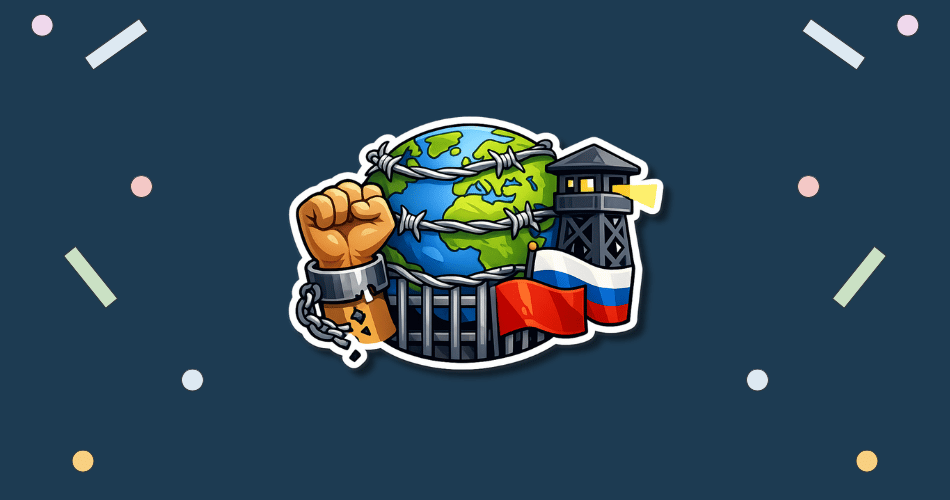
Captive Nations Week is observed the third week of July. In 2027, it runs from July 19 to July 25. The week raises public attention to countries living under non-democratic rule and encourages solidarity, advocacy, and information-sharing about political freedom and human rights. Observances take different forms, from public proclamations to events hosted by advocacy groups, and the week is tied to an older U.S. law that frames its annual timing and intent.
Contents
See also: Human Rights Day, International Day of Human Fraternity, Document Freedom Day, World Press Freedom Day
HT Meter
Does this day matter to you?
Tap the meter if it does, and say whether you will be celebrating — that is what opens the wishes from everybody else who will be.
This day matters to me
0 Be the first to say so
Just getting started
0 Let others know you’re in.
Wishes, greetings and stories
Join the celebration to share a wish, a greeting, or how this day goes in your house.
These are kept for the people celebrating this day. Say you will be celebrating to read them and to add your own.
You have already shared something here recently.
Nothing here yet. Yours would be the first.
History of Captive Nations Week
The idea behind Captive Nations Week dates back to the Cold War era. A congressional resolution first declared a week to draw attention to nations under Communist domination, and that language was later codified as Public Law 86-90, signed by President Dwight D. Eisenhower. Lev E. Dobriansky, an anti-communist advocate, is credited with drafting the text that became the basis for the law and the observance it created.

World Day Against Cyber Censorship
During the Cold War the week focused on the Soviet occupation of Eastern Europe and on Communist-aligned governments elsewhere. Over time the observance has evolved: United States presidents have continued to issue annual proclamations, and modern observances extend the original concern to a broader set of countries and situations where governments restrict political freedom and civil liberties. Diaspora communities and human rights organizations now play prominent roles in events held in the United States around the week.
Why is Captive Nations Week important?
Captive Nations Week serves as a recurring reminder that the struggle for political freedom and human rights continues in many places. By highlighting the conditions faced by people living under authoritarian or repressive governments, the week keeps those situations on public and policy agendas and encourages citizens to learn and act.
The observance also connects present-day advocacy to a historical framework established in law and public proclamation. That legal and civic continuity gives organizers a clear annual moment to coordinate campaigns, build partnerships among non-governmental organizations, and invite participation from community groups and elected officials.
- It raises awareness of nations and communities living under non-democratic rule and brings attention to human rights abuses.
- It encourages donations, volunteerism, and public campaigns by organizations focused on democracy and civil liberties.
- It provides a platform for diaspora groups to share testimonies and organize marches or rallies.
- It prompts officials and civic leaders to issue proclamations or host events that keep global freedom issues visible.
- It offers educators and journalists a recurring occasion to report on political repression and democratic challenges.
How to Celebrate Captive Nations Week
Make it yours
How would you like to spend Captive Nations Week?
Tick what fits you, and we will put together ideas made for this day — not for any day.

National Wolf Awareness Week
Celebrating Captive Nations Week centers on education, cultural exchange, and support for organizations that work on democracy and human rights. Individuals and groups can host cultural evenings, film screenings, or panel discussions that spotlight the histories and current conditions of people living under repressive regimes. These events create space for storytelling and for learning about legal and civic tools that support freedom.
Local businesses, schools, and community organizations can join by sharing verified educational materials, organizing donation drives, or supporting advocacy campaigns run by reputable nonprofits. Digital campaigns using event hashtags and curated resources can amplify messages and connect people across neighborhoods and countries.
- Host a community talk, lecture, or film night that features voices from affected nations or experts on democratic transitions.
- Partner with established human rights organizations for joint fundraising, volunteer drives, or material support projects.
- Organize cultural showcases that celebrate the arts, literature, and heritage of nations impacted by repression.
- Use social media to share verified information, survivor testimonies, and calls to action using a dedicated hashtag.
- Encourage schools and libraries to curate reading lists, exhibits, or classroom lessons about freedom, governance, and human rights.
Captive Nations Week Dates
| Year | Date | Day of the week |
|---|---|---|
| 2026 | July 20 – 26 | 7 days |
| 2027 next | July 19 – 25 | 7 days |
| 2028 | July 17 – 23 | 7 days |
| 2029 | July 16 – 22 | 7 days |
| 2030 | July 15 – 21 | 7 days |