



Chronic Disease Day
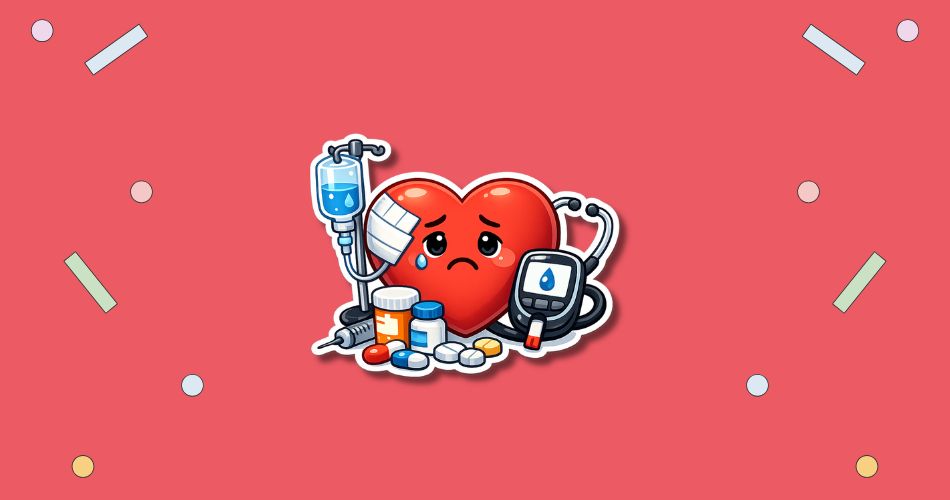
Chronic Disease Day is observed on July 10 (7/10) each year. In 2027, this date falls on a Saturday. The day focuses attention on the prevalence and impact of long-term health conditions and encourages people, organizations, and policymakers to share stories and push for better access to care while supporting those who live with chronic illness.
Contents
HT Meter
Does this day matter to you?
Say that it does, and say whether you will be marking it. Both are anonymous to nobody but kind to everybody.
This day matters to me
0 Be the first to say so
Quietly remembered
0 Nobody has said so yet
Notes of remembrance
Join those marking this day to share a word, a memory, or the reason it matters to you.
These notes are kept for the people marking this day. Say you will be marking it to read them and to leave your own.
You have already shared a note here recently.
No notes yet. Yours would be the first.
History of Chronic Disease Day
Chronic Disease Day was established and is led by the nonprofit organization Good Days. The campaign centers on raising public awareness about chronic health conditions and bringing together patients, caregivers, healthcare providers, advocacy groups, industry partners, and policymakers to improve access to care and advance policy solutions that lead to better outcomes. The initiative’s own materials note the date and emphasis tie directly to common causes of death and long-term disease burden in the United States.
Over time the effort has grown into a coalition that hosts both live and virtual events in partnership with a large number of patient advocacy organizations. Public calendars and event organizers list the campaign each July 10, and national calendars have included the day to help individuals and institutions plan awareness activities. Organizations in the movement invite communities to share stories, take part in education sessions, and request recognition from local officials.
Why is Chronic Disease Day important?
Chronic Disease Day draws attention to conditions that persist or recur over long periods and that shape daily life for millions of people. The campaign highlights a critical statistic used by organizers: seven out of ten deaths in the United States are caused by chronic diseases such as heart disease, cancer, and diabetes, and those conditions drive large shares of health care use and cost. Shining a spotlight on these realities creates space for conversation about prevention, treatment, coverage, and supports for daily living.

The observance also elevates patient voices. By sharing personal experiences, people who live with chronic illness can reduce stigma, explain the practical barriers they face, and urge changes that make care more affordable and easier to obtain. Awareness activities can prompt earlier detection, encourage routine medical follow-up, and motivate community-level support systems that reduce isolation and improve well-being.
- Highlights that many leading causes of death are chronic conditions and focuses attention on prevention and care.
- Encourages people to learn about common chronic illnesses and how to access recommended screenings and treatments.
- Amplifies patient stories to reduce stigma and build public understanding of daily challenges.
- Supports advocacy for policies that increase treatment affordability and access to services.
- Promotes community actions that assist caregivers and people managing long-term conditions.
How to Observe Chronic Disease Day
Make it yours
How would you like to spend Chronic Disease Day?
Tick what fits you, and we will put together ideas made for this day — not for any day.
Observing Chronic Disease Day means taking actions that inform, support, and advocate rather than celebrating. Many organizations and individuals use the day to host educational events, share lived experiences, and press for better access to care. Observances can be quiet and focused, such as distributing resources at clinics, or public and policy-oriented, such as organizing virtual panels that center patient voices and evidence-based prevention strategies.
Events and activities that align with the day include information sessions, fundraisers for patient services, and outreach to elected officials requesting recognition or policy attention. Observers often combine practical steps—like scheduling health check-ups—with community-building efforts that remind people living with chronic conditions that they are not alone.
- Host or attend a virtual or in-person educational event that explains a specific chronic condition and local resources.
- Share a patient story or testimonial on social channels or at a community meeting to highlight lived experience.
- Organize a local resource drive or fundraiser to help people afford medications, appointments, or supportive services.
- Contact local officials or request recognition from your hometown to raise visibility and open dialogue on access and policy.
- Encourage routine preventive care by partnering with clinics or employers to promote screenings and follow-up appointments.
Chronic Disease Day Dates
| Year | Date | Day of the week |
|---|---|---|
| 2026 | July 10 | Friday |
| 2027 next | July 10 | Saturday |
| 2028 | July 10 | Monday |
| 2029 | July 10 | Tuesday |
| 2030 | July 10 | Wednesday |

Thank you for your feedback!
Fuel the next post!
Sorry to hear you didn't enjoy this article...
World COPD Day
Help us make it better!