



Don’t Step On A Bee Day
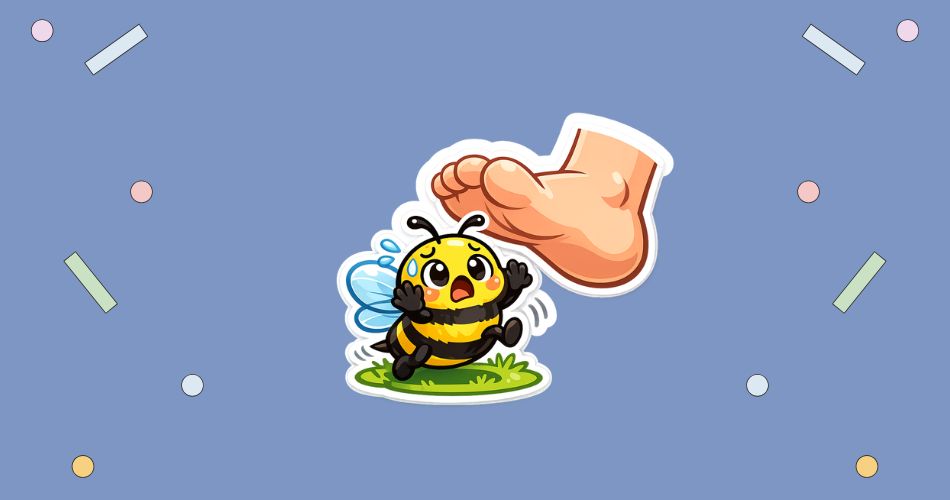
Don’t Step On A Bee Day is observed annually on July 10. In 2027, this date falls on a Saturday. It serves as a reminder of the vital role bees play in pollination, honey production, and maintaining biodiversity, and it encourages everyday actions that help protect pollinators and their habitats. This awareness day blends a simple, memorable message with broader conservation aims, inviting communities to take small steps that add up for bee health.
Contents
HT Meter
Does this day matter to you?
Say that it does, and say whether you will be marking it. Both are anonymous to nobody but kind to everybody.
This day matters to me
0 Be the first to say so
Quietly remembered
0 Nobody has said so yet
Notes of remembrance
Join those marking this day to share a word, a memory, or the reason it matters to you.
These notes are kept for the people marking this day. Say you will be marking it to read them and to leave your own.
You have already shared a note here recently.
No notes yet. Yours would be the first.
History of Don’t Step On A Bee Day
Don’t Step On A Bee Day was created by Thomas and Ruth Roy and has grown in visibility in both the United Kingdom and the United States. The founders are credited with establishing a number of awareness observances; while the exact year of inception is not clearly documented, the day has evolved from a lighthearted caution into a focused conservation campaign.
Over time the observance shifted emphasis from avoiding accidental stings toward highlighting the pressures bees face and promoting practical actions to support them. Activities and educational efforts now commonly address habitat loss, pesticide impacts, and the importance of planting pollinator-friendly species, reflecting a broader environmental purpose than the holiday’s original admonition.
Why is Don’t Step On A Bee Day important?
Bees are responsible for pollinating a large share of the crops and wild plants that underpin food systems and ecosystem health. The day draws attention to the scale of this contribution and the mounting threats to bee populations, including habitat destruction, pesticide use, and changing climates. Raising awareness helps communities understand the link between everyday choices and the long-term resilience of pollinators.
World Honey Bee Day
Celebrating the day also channels support toward conservation groups, beekeepers, and practical local actions that make measurable differences. When people plant bee-friendly flowers, reduce pesticide use, or support sustainable farming, those choices reinforce the landscapes bees need to thrive.
- Bees pollinate many fruits, vegetables, and nuts that form a significant portion of human diets.
- Honey production and related livelihoods depend on healthy bee colonies.
- Bee declines signal broader environmental stress that can affect other wildlife.
- Reducing pesticide exposure and restoring habitat are proven ways to help pollinators.
- Local support for beekeepers and conservation organizations amplifies community impact.
How to Observe Don’t Step On A Bee Day
Make it yours
How would you like to spend Don't Step On A Bee Day?
Tick what fits you, and we will put together ideas made for this day — not for any day.
This day offers many approachable, positive ways to show appreciation for bees and to help sustain pollinator populations. Community groups, schools, and businesses can host small events, share educational materials, or organize plantings of native, nectar-rich species. Celebratory activities often combine hands-on work with outreach so people learn practical steps they can continue year-round.
Simple celebrations are both rewarding and effective: planting a pollinator patch, buying from local beekeepers, or promoting pesticide-free gardening are all ways to mark the day while supporting long-term conservation. These actions create visible benefits for pollinators and give participants a direct role in protecting local biodiversity.
- Plant native, nectar- and pollen-rich flowers in gardens, window boxes, or public spaces.
- Host or attend a community talk or workshop about pollinators and safe gardening practices.
- Buy honey and hive products from local beekeepers to support sustainable apiaries.
- Reduce or eliminate the use of insecticides, especially those known to harm bees.
- Create or support pollinator-friendly habitats such as hedgerows, wildflower strips, or bee hotels.
Don’t Step On A Bee Day Dates
| Year | Date | Day of the week |
|---|---|---|
| 2026 | July 10 | Friday |
| 2027 next | July 10 | Saturday |
| 2028 | July 10 | Monday |
| 2029 | July 10 | Tuesday |
| 2030 | July 10 | Wednesday |
Sorry to hear you didn't enjoy this article...
National Be Nice to Bugs Day
Help us make it better!