



National Be Nice to Bugs Day
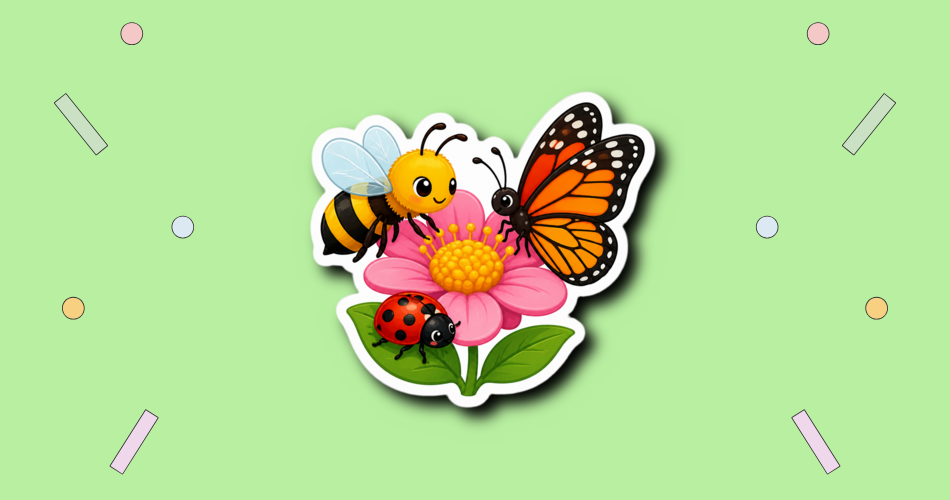
National Be Nice to Bugs Day falls on July 14 every year. In 2027, this date falls on a Wednesday. The day invites a gentler, more curious approach to the small creatures that share our gardens, homes, and wild places, asking people to pause before swatting, squashing, or spraying insects and to consider their value in nature.
Contents
HT Meter
Does this day matter to you?
Tap the meter if it does, and say whether you will be celebrating — that is what opens the wishes from everybody else who will be.
This day matters to me
0 Be the first to say so
Just getting started
0 Let others know you’re in.
Wishes, greetings and stories
Join the celebration to share a wish, a greeting, or how this day goes in your house.
These are kept for the people celebrating this day. Say you will be celebrating to read them and to add your own.
You have already shared something here recently.
Nothing here yet. Yours would be the first.
History of National Be Nice to Bugs Day
National Be Nice to Bugs Day began as a modern, grassroots observance in 2021 when Kiana Monson created the day to prompt people to think twice before killing insects on sight. The idea grew from a simple premise: reflexive fear or disgust often drives the decision to destroy a spider or beetle rather than to assess whether it poses any real threat.
After its founding the observance was picked up by conservation-minded organizations, educators, and community groups who used the date as a moment to highlight pollinator loss and the larger decline in insect populations. The tone of the day has remained approachable and family friendly, which has helped it spread through schools, gardens, nature centers, and online communities.
Why is National Be Nice to Bugs Day important?
The day matters because insects perform essential ecological work that underpins food production and healthy landscapes. Pollinators enable fruit and seed set for many plants, decomposers break down organic matter and renew soils, and countless species form the diet of birds and other wildlife. Small acts of tolerance and habitat support add up when practiced widely.
June Bug Day
Beyond ecosystem services, the observance also helps reshape attitudes toward often-misunderstood animals. Teaching children and adults how to identify beneficial insects, how to safely relocate nonthreatening species, and how to manage gardens without broad-spectrum pesticides promotes coexistence and long-term resilience.
- Pollination of crops and wild plants, supporting food supplies and biodiversity
- Decomposition and nutrient recycling that maintain healthy soils
- Natural pest control from predatory and parasitic insects
- Foundation of many food chains, sustaining birds, amphibians, and mammals
- Indicators of environmental health; insect declines signal broader problems
How to Celebrate National Be Nice to Bugs Day
Make it yours
How would you like to spend National Be Nice to Bugs Day?
Tick what fits you, and we will put together ideas made for this day — not for any day.
Celebrations are practical and family friendly: plant pollinator-attracting flowers, leave patches of native vegetation, or create simple insect shelters with twigs and hollow stems. These small changes help provide nectar, pollen, and overwintering sites for bees, butterflies, and other beneficial species.
Events that combine art, learning, and outdoor time work well for this observance. Local nature centers and museums may run bug-themed activities, schools can add short lessons about insect roles, and gardeners can swap tips on pesticide-free practices. Sharing photos and positive stories about insects on social media spreads the message further.
- Plant native flowers, herbs, and shrubs to provide food and habitat for pollinators
- Build a simple bug hotel or leave leaf litter and brush piles for shelter
- Hold a backyard or classroom insect watch to observe behavior without disturbing animals
- Replace chemical sprays with mechanical controls like water sprays or hand removal
- Share gentle, factual advice with family and neighbors to reduce fear-driven killing
National Be Nice to Bugs Day Dates
| Year | Date | Day of the week |
|---|---|---|
| 2026 | July 14 | Tuesday |
| 2027 next | July 14 | Wednesday |
| 2028 | July 14 | Friday |
| 2029 | July 14 | Saturday |
| 2030 | July 14 | Sunday |
Sorry to hear you didn't enjoy this article...
National Learn About Butterflies Day (Moth-er Day)
Help us make it better!