


Republic Day in Iraq
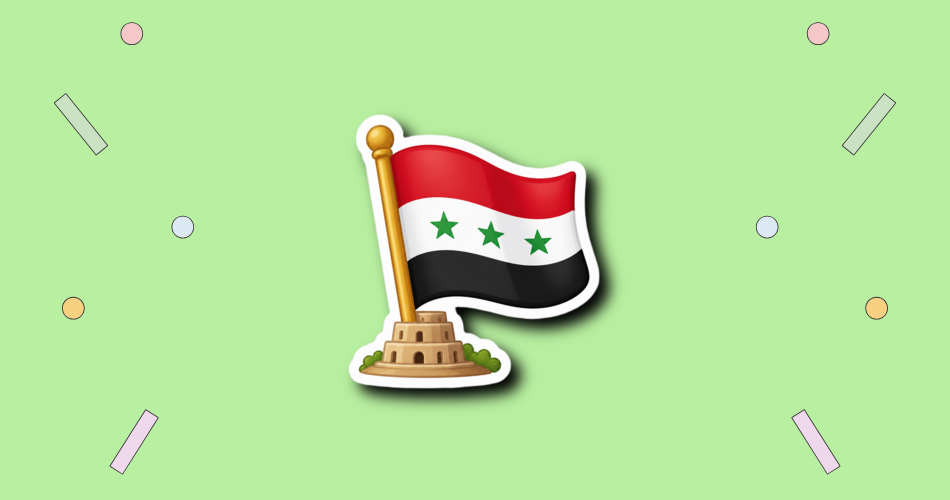
Republic Day in Iraq is observed annually on July 14. In 2027, this date falls on a Wednesday. The day marks the anniversary of the 1958 uprising that ended the Hashemite monarchy and set the course for a republican form of government in Iraq. It is recognized in modern calendars as a day connected to a major political turning point in the country’s twentieth-century history.
Contents
HT Meter
Does this day matter to you?
Tap the meter if it does, and say whether you will be celebrating — that is what opens the wishes from everybody else who will be.
This day matters to me
0 Be the first to say so
Just getting started
0 Let others know you’re in.
Wishes, greetings and stories
Join the celebration to share a wish, a greeting, or how this day goes in your house.
These are kept for the people celebrating this day. Say you will be celebrating to read them and to add your own.
You have already shared something here recently.
Nothing here yet. Yours would be the first.
History of Republic Day in Iraq
The event commemorated by this holiday began on 14 July 1958, when a group of army officers led by Abd al-Karim Qasim overthrew the Hashemite monarchy. The uprising ended a line of kings who had ruled since the creation of the modern Iraqi state after World War I. Contemporary accounts note that members of the royal household, including King Faisal II, were killed during the coup, and Qasim emerged as a leading figure in the new government.
Iraq’s statehood and earlier transitions provide context for why the 1958 events were so consequential. The territory had been organized under a League of Nations mandate in 1920 and achieved formal independence in 1932, but the monarchy continued until 1958. In later decades the public status of July 14 shifted: it was for many years a key national commemoration, and July 14 was formally declared Republic Day in 2005, with a statue of Abd al-Karim Qasim erected in Baghdad in that same year. At different times the day has been treated as a national day and at other times as a regional observance.
Why is Republic Day in Iraq important?
Republic Day is important because it marks a clear institutional change in Iraq’s political history. The 1958 revolt removed the monarchical system that had been associated with British-era arrangements and ushered in a republican government under new military and political leadership. For many citizens the date represents a decisive national break with the past.
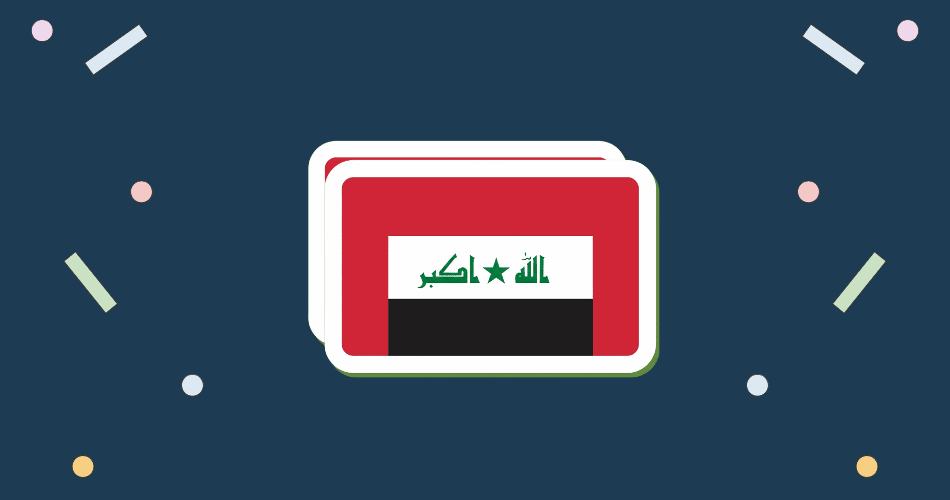
Iraq Independence Day
The day also functions as a symbol of contested memory. Over the decades Republican Day’s legal and public status has varied; at times it was the country’s principal national day and at other moments it was observed more locally. These shifts reflect how governments and publics interpret 1958’s legacy.
- It commemorates the 14 July 1958 overthrow of the Hashemite monarchy and the arrival of Abd al-Karim Qasim to power.
- It marks the formal transition from a monarchy to a republican system in Iraq’s modern political timeline.
- The date has been used to remember those who died during the events of the 1958 uprising.
- From 1968 until 2006 the day served as Iraq’s official national day in many public calendars.
- Legal changes reported in later years altered how widely July 14 is observed, and some official calendars treat it as a regional rather than nationwide holiday.
How to Celebrate Republic Day in Iraq
Make it yours
How would you like to spend Republic Day in Iraq?
Tick what fits you, and we will put together ideas made for this day — not for any day.
Celebrations for Republic Day tend to center on reflecting on national history and spending time with community. Observing the day can be an opportunity to learn about mid-twentieth-century Iraqi history, to visit public memorials associated with the revolution, and to take part in cultural programs that highlight the nation’s modern political evolution. In places where public events are held, local gatherings often include speeches or educational talks that explain the significance of 1958.
If you want to mark the day personally or with family, consider combining quiet reflection with community activities. Visiting public monuments connected to the period, reading reliable historical accounts, and attending cultural performances or exhibits can make the day meaningful without presuming any single official ritual. In areas where July 14 remains a local or regional observance, community groups and regional authorities may organize commemorative events.
- Display the national flag or other respectful symbols of civic identity at home or in community spaces.
- Attend or watch talks, exhibits, or film programs that cover the 1958 revolution and its aftermath.
- Visit public monuments tied to the events and figures of the period, such as the statue of Abd al-Karim Qasim erected in Baghdad in 2005.
- Share time with family and friends while discussing the day’s historical significance and how it shaped modern Iraq.
- Support or take part in local cultural events that present music, poetry, or history related to mid-20th-century Iraq.
Republic Day in Iraq Dates
| Year | Date | Day of the week |
|---|---|---|
| 2026 | July 14 | Tuesday |
| 2027 next | July 14 | Wednesday |
| 2028 | July 14 | Friday |
| 2029 | July 14 | Saturday |
| 2030 | July 14 | Sunday |

Sorry to hear you didn't enjoy this article...
Republic Day in Albania
Help us make it better!