
National Learn About Butterflies Day (Moth-er Day)
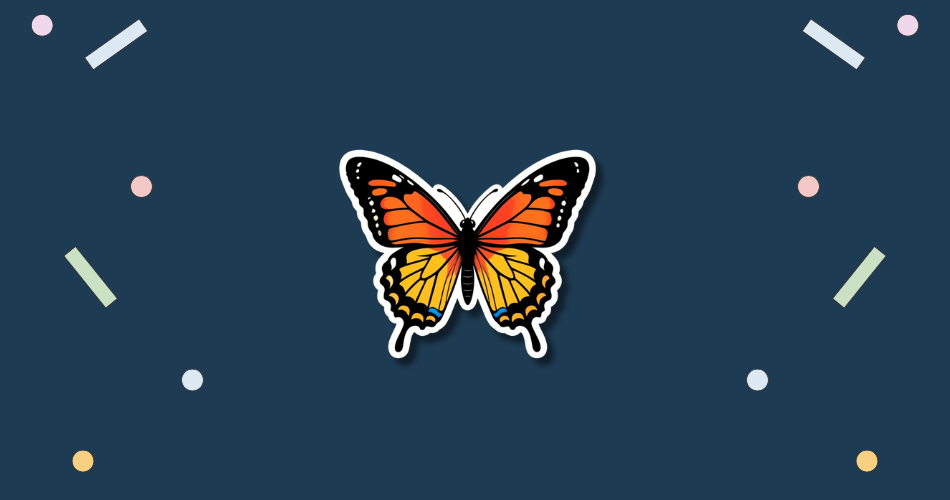
National Learn About Butterflies Day is an environmental observance held on March 14. In 2027, this date falls on a Sunday. This day is dedicated to educating the public about the vital role butterflies play in pollination and the overall health of our ecosystems. It also serves as an informal “Moth-er Day,” encouraging people to look beyond the colorful butterfly and appreciate the diversity and importance of moths. The holiday emphasizes conservation efforts, as many species face threats from habitat loss, pesticide use, and changing climate patterns.
Contents
HT Meter
Does this day matter to you?
Say that it does, and say whether you will be marking it. Both are anonymous to nobody but kind to everybody.
This day matters to me
0 Be the first to say so
Quietly remembered
0 Nobody has said so yet
Notes of remembrance
Join those marking this day to share a word, a memory, or the reason it matters to you.
These notes are kept for the people marking this day. Say you will be marking it to read them and to leave your own.
You have already shared a note here recently.
No notes yet. Yours would be the first.
Read also about Western Monarch Day
History of National Learn About Butterflies Day
The origins of this day are found in the collective efforts of lepidopterists and wildlife conservation groups who wanted to bring attention to the decline of pollinator populations. While butterflies are often admired for their beauty, they were historically overlooked in serious conservation legislation compared to larger mammals. The establishment of a dedicated day in mid-March coincides with the spring migration patterns in many parts of the Northern Hemisphere, making it a timely moment to prepare gardens and habitats for their arrival.
National Start Seeing Monarchs Day
Over the years, the “Moth-er Day” aspect was integrated to address the misconceptions surrounding moths. While butterflies are diurnal and often brightly colored, moths are primarily nocturnal and have traditionally been viewed as pests. Conservationists used this day to highlight that moths are just as essential for pollination and serve as a critical food source for birds and bats. Today, the day is supported by botanical gardens and nature preserves that use the date to launch educational programs about the life cycles of these winged insects.
Why is National Learn About Butterflies Day important?
Butterflies and moths are key indicator species, meaning their health and population levels reflect the general state of the environment. This day is important because it raises awareness about the fragility of these insects; for example, the Monarch butterfly has seen significant population drops over the last two decades. By educating the public on how to provide “waystations” or stopover points for migrating species, the holiday directly contributes to the survival of these pollinators, which are responsible for the reproduction of many wildflowers and crops.
The observance also highlights the complex biological process of metamorphosis. Understanding how a caterpillar transforms into a winged adult helps foster a sense of wonder and respect for nature in children and adults alike. Furthermore, butterflies provide an economic benefit through “butterfly tourism” and by supporting the agricultural industry through their pollination services. Protecting them ensures the continued health of the food web, as they occupy a middle tier, serving as both predators of certain plants and prey for a wide variety of other animals.
- Butterflies are essential pollinators for a vast number of agricultural crops and wild plants.
- They serve as a primary food source for many species of birds, spiders, and lizards.
- Monitoring butterfly populations helps scientists track the impacts of climate change.
- Moths often pollinate plants that bloom only at night, filling a unique ecological niche.
- Providing native host plants like milkweed is critical for the survival of specific larvae.
How to Observe National Learn About Butterflies Day
Make it yours
How would you like to spend National Learn About Butterflies Day (Moth-er Day)?
Tick what fits you, and we will put together ideas made for this day — not for any day.
National Be Nice to Bugs Day
One of the most effective ways to observe the day is to begin planning a pollinator-friendly garden. This involves researching native plants that provide nectar for adults and specific “host plants” where females can lay their eggs. For example, planting milkweed is the only way to support the larvae of Monarch butterflies. Avoiding the use of broad-spectrum pesticides in your yard is another crucial step, as these chemicals often kill the very insects people find most beautiful.
For those without garden space, visiting a local butterfly house or conservatory offers a chance to see rare and exotic species up close. Many of these facilities offer workshops on how to identify local species or how to build “butterfly houses” that provide shelter during storms. You can also participate in citizen science projects by using mobile apps to photograph and log sightings of butterflies in your area. This data is used by researchers to track migration routes and population health across the globe.
- Plant native flowers and host plants to provide food for both caterpillars and adults.
- Avoid using chemical pesticides and herbicides in your lawn or garden.
- Visit a local conservatory or nature center to learn about indigenous species.
- Build or buy a butterfly house to provide a safe refuge during inclement weather.
- Use a nature identification app to document and share sightings with researchers.
National Learn About Butterflies Day Dates Table
| Year | Date | Day of the week |
|---|---|---|
| 2026 | March 14 | Saturday |
| 2027 next | March 14 | Sunday |
| 2028 | March 14 | Tuesday |
| 2029 | March 14 | Wednesday |
| 2030 | March 14 | Thursday |