




National Start Seeing Monarchs Day

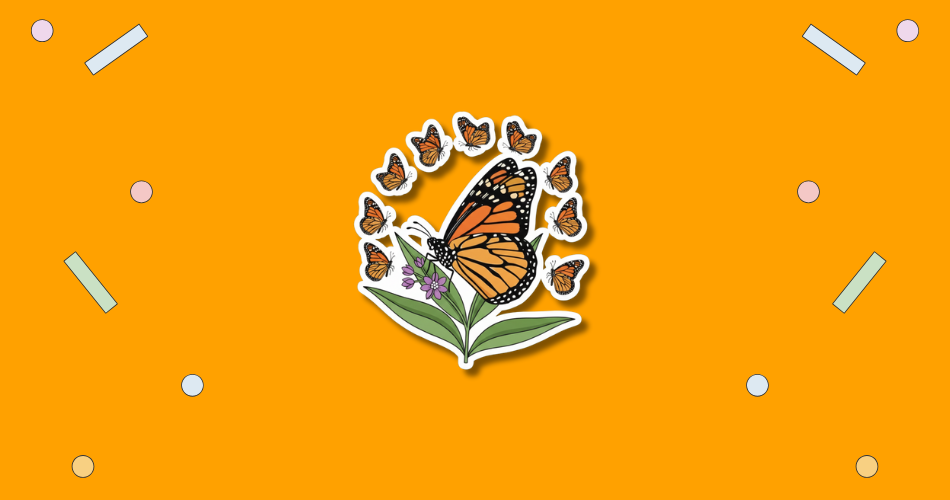
National Start Seeing Monarchs Day is observed on the first Saturday in May. In 2026, it falls on May 2. This annual awareness day focuses on the preservation of the monarch butterfly and its unique migration across North America. As these butterflies begin their journey north from their wintering grounds, people are encouraged to look for them and prepare their gardens to support the incoming population.
Contents
See also: Western Monarch Day
HT Meter
Does this day matter to you?
Say that it does, and say whether you will be marking it. Both are anonymous to nobody but kind to everybody.
This day matters to me
0 Be the first to say so
Quietly remembered
0 Nobody has said so yet
Notes of remembrance
Join those marking this day to share a word, a memory, or the reason it matters to you.
These notes are kept for the people marking this day. Say you will be marking it to read them and to leave your own.
You have already shared a note here recently.
No notes yet. Yours would be the first.
History of National Start Seeing Monarchs Day
The Florida-based organization known as The Monarch Connection launched this holiday to address the critical decline of the monarch butterfly population. The founders wanted to create a specific time when citizens could engage in habitat restoration and conservation activities. By scheduling the event for early May, the organization ensured the date would align with the peak of the spring migration, when monarchs move through the southern United States toward more northern breeding grounds.
Western Monarch Day
Since its inception, the day has transformed from a local initiative into a national movement supported by environmentalists and home gardeners. It serves as a call to action for people to join conservation projects before the summer breeding season reaches its height. The movement relies on the idea that individual actions, such as planting specific flowers, have a massive impact on the survival of an entire species.
Why is National Start Seeing Monarchs Day important?
The monarch butterfly is a primary pollinator that contributes to the health of wildflowers and agricultural landscapes across the continent. Over the last two decades, their population has decreased by approximately 90 percent due to habitat loss and the widespread use of herbicides. This day is important because it educates the public on the butterfly’s complete dependence on milkweed plants, which are the only places where monarchs can lay eggs and feed their larvae.
Tracking monarch sightings provides scientists with essential data regarding the health of the environment. Because these butterflies are sensitive to changes in temperature and chemical pollutants, their presence or absence acts as a indicator for ecological shifts. Protecting monarchs also ensures the survival of many other insect species that share the same habitats. This focus on a single insect makes environmental conservation more relatable for the public.
- Monarchs travel up to 3,000 miles during their annual migration cycle.
- Milkweed is the only food source for monarch caterpillars.
- These butterflies help pollinate a wide variety of native wildflowers.
- The species serves as a visible indicator of local environmental health.
- Conservation efforts protect the biodiversity of meadows and grasslands.
How to Observe National Start Seeing Monarchs Day
Make it yours
How would you like to spend National Start Seeing Monarchs Day?
Tick what fits you, and we will put together ideas made for this day — not for any day.

National Learn About Butterflies Day (Moth-er Day)
Observing this day usually begins with planting native milkweed species in home gardens or community spaces. Using local varieties is essential because non-native plants can sometimes disrupt the natural migration timing or carry diseases that harm the butterflies. In addition to milkweed, gardeners should add nectar-rich flowers like purple coneflowers or black-eyed Susans to provide high-energy fuel for adult monarchs as they travel.
Participating in citizen science projects is another practical way to celebrate. Organizations like Monarch Watch and Journey North allow people to report their first sightings of the year, which helps researchers map the migration in real-time. Eliminating the use of pesticides and herbicides in the yard creates a safe habitat where butterflies can rest and reproduce without being exposed to harmful toxins.
- Plant native milkweed seeds in a sunny spot in your yard.
- Report your first monarch sighting to a migration tracking website.
- Create a butterfly puddling station using a shallow dish and wet sand.
- Add nectar flowers that bloom in early spring to your garden.
- Stop using chemical pesticides that can kill beneficial insects.
National Start Seeing Monarchs Day Dates Table
| Year | Date | Day of the week |
|---|---|---|
| 2026 | May 2 | Saturday |
| 2027 next | May 1 | Saturday |
| 2028 | May 6 | Saturday |
| 2029 | May 5 | Saturday |
| 2030 | May 4 | Saturday |