



Polish National Flag Day
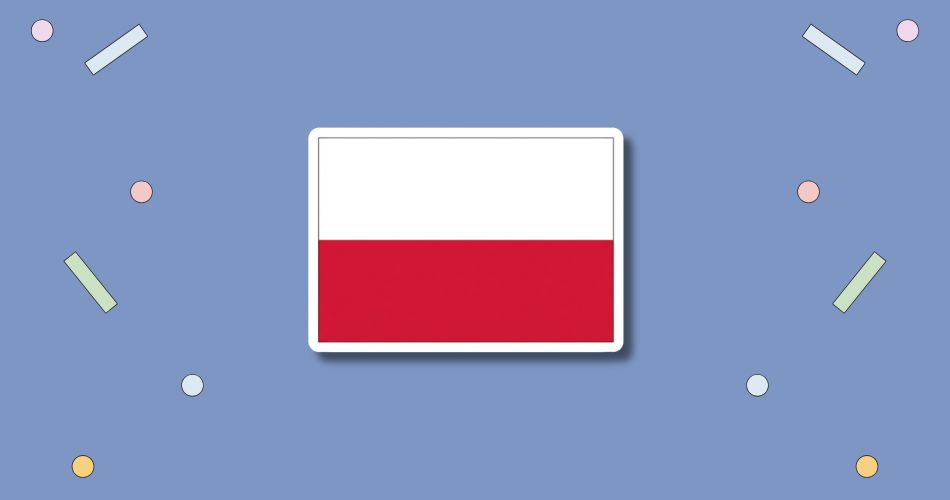
Polish National Flag Day is observed on May 2. In 2027, this date falls on a Sunday. This holiday honors the white and red colors that represent the Polish state and its people. It is situated between International Workers’ Day and Constitution Day to create a continuous period of national celebration. The day serves as a time for citizens to reflect on their identity and publicly display the flag on homes and government buildings throughout the country.
Contents
See also: Independence Day in Poland, Constitution Day in Poland
HT Meter
Does this day matter to you?
Tap the meter if it does, and say whether you will be celebrating — that is what opens the wishes from everybody else who will be.
This day matters to me
0 Be the first to say so
Just getting started
0 Let others know you’re in.
Wishes, greetings and stories
Join the celebration to share a wish, a greeting, or how this day goes in your house.
These are kept for the people celebrating this day. Say you will be celebrating to read them and to add your own.
You have already shared something here recently.
Nothing here yet. Yours would be the first.
History of Polish National Flag Day
The Polish Parliament officially established this holiday on February 20, 2004. Legislators chose May 2 because it commemorates the day in 1945 when soldiers of the First Polish Army raised the national flag on the Victory Column and the Reichstag in Berlin. This event signaled the contribution of Polish forces to the defeat of Nazi Germany during the final days of World War II.
Constitution Day in Poland
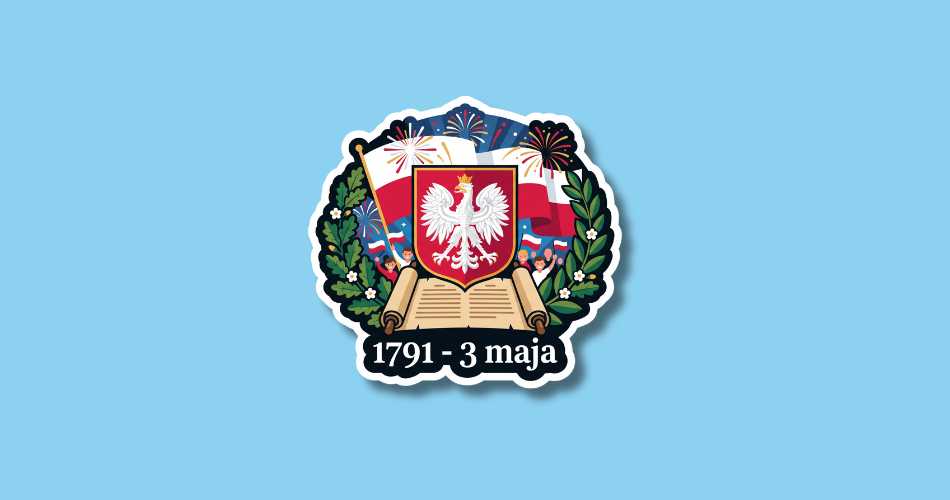
The date also serves to reclaim a day once used for political censorship. During the communist era, authorities ordered the removal of all national flags on May 2 to prevent them from flying during the forbidden Constitution Day on May 3. By making May 2 an official holiday, the government transformed a day once associated with the suppression of symbols into a celebration of the white and red colors. These colors were first officially recognized as national in 1831, based on the colors of the Piast dynasty coat of arms.
Why is Polish National Flag Day important?
The flag acts as a primary symbol of sovereignty and collective identity. The white stripe represents the white eagle of the state emblem, while the red stripe signifies the red field of the heraldic shield and the courage shown by those who fought for independence. Publicly displaying these colors fosters a sense of unity and national pride across different generations.
This holiday also marks the Day of the Polish Community and Poles Abroad. This coincidence emphasizes the connection between the nation and the global diaspora of millions of people of Polish descent. The flag serves as a visual bond that unites these groups, reminding them of their shared cultural values and heritage regardless of their location. It provides an opportunity to recognize the flag’s role in maintaining national identity throughout history.
- It commemorates the raising of the flag in Berlin in 1945
- The day strengthens the bond with the Polish diaspora worldwide
- Public flag displays promote a shared sense of national pride
- The colors represent the heraldic tradition of the white eagle
- The holiday encourages citizens to learn about proper flag etiquette
How to Celebrate Polish National Flag Day
Make it yours
How would you like to spend Polish National Flag Day?
Tick what fits you, and we will put together ideas made for this day — not for any day.
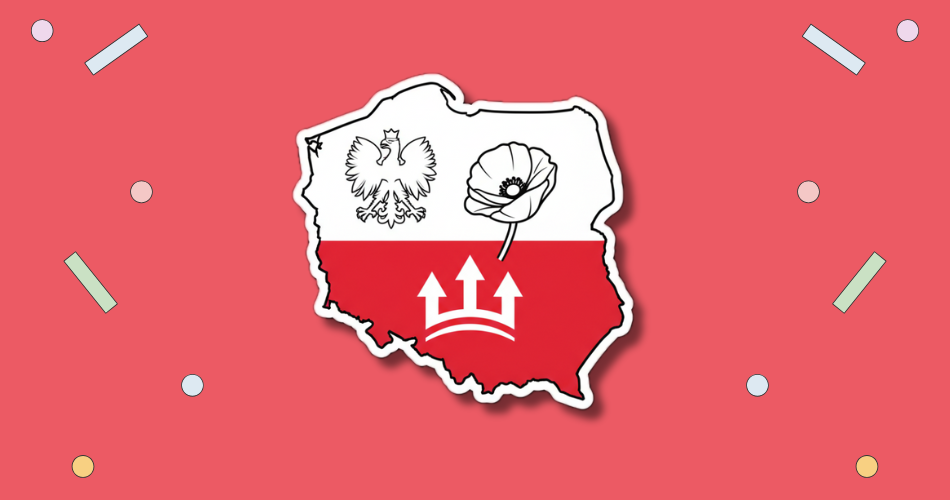
Independence Day in Poland
Most citizens participate by hanging the white and red flag from residential windows, balconies, and public offices. Wearing a national cockade—a circular ribbon in the national colors—is a common custom for both officials and the general public. Cities across Poland organize events such as military parades, marathons, and concerts that allow families to gather and celebrate the national symbol in a festive atmosphere.
Educational programs and museum exhibits often provide information about the history and proper treatment of the national flag. Many schools hold contests for children to create art projects using the national colors. Social media campaigns encourage people to share photos of flags flying in diverse locations or to join “living flags” where large groups wear white and red to form a human representation of the flag.
- Hang a clean white and red flag outside your home or balcony
- Pin a national cockade or ribbon to your clothing for the day
- Attend a patriotic parade or concert in a local city square
- Learn about the history and meaning of the white and red colors
- Share a photo of the flag on social media with a festive message
Polish National Flag Day Dates Table
| Year | Date | Day of the week |
|---|---|---|
| 2026 | May 2 | Saturday |
| 2027 next | May 2 | Sunday |
| 2028 | May 2 | Tuesday |
| 2029 | May 2 | Wednesday |
| 2030 | May 2 | Thursday |