



International Scurvy Awareness Day
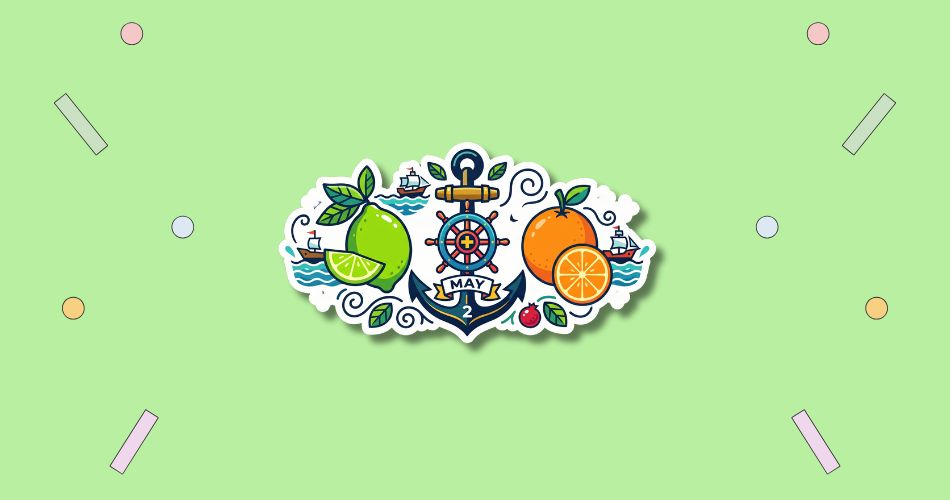
International Scurvy Awareness Day is observed on May 2. In 2027, this date falls on a Sunday. This day brings attention to a condition many believe is a relic of the past but which remains a modern health concern. It focuses on the importance of vitamin C in the human diet and aims to educate the public about the risks of nutritional deficiencies in an era dominated by processed foods and limited access to fresh produce.
Contents
See also: National Vitamin C Day
HT Meter
Does this day matter to you?
Say that it does, and say whether you will be marking it. Both are anonymous to nobody but kind to everybody.
This day matters to me
0 Be the first to say so
Quietly remembered
0 Nobody has said so yet
Notes of remembrance
Join those marking this day to share a word, a memory, or the reason it matters to you.
These notes are kept for the people marking this day. Say you will be marking it to read them and to leave your own.
You have already shared a note here recently.
No notes yet. Yours would be the first.
History of International Scurvy Awareness Day
The movement to recognize International Scurvy Awareness Day grew out of a desire to highlight the ongoing relevance of nutritional science. While the disease has been known since ancient Egyptian and Greek times, it became most notorious during the Age of Exploration. Between the 15th and 18th centuries, scurvy was the leading cause of death for sailors on long voyages, claiming an estimated two million lives. The day honors the historical struggle to identify the cause of the “sea plague,” which was eventually solved by clinical trials conducted by Scottish naval surgeon James Lind in 1747.
National Vitamin C Day
In the modern era, the day has been championed by health advocates and historical enthusiasts to remind the public that scurvy did not vanish with the wooden sailing ship. Outbreaks have been recorded as recently as 2002 in war-torn regions like Afghanistan and in developed nations among populations with extremely restricted diets. By establishing May 2 as a dedicated awareness day, organizers provide a platform for doctors and nutritionists to discuss how social factors—such as poverty, isolation, and “food deserts”—can lead to the return of this preventable illness.
Why is International Scurvy Awareness Day important?
Vitamin C is essential for the production of collagen, the protein that acts as the “glue” for the body’s connective tissues, skin, and blood vessels. Without it, the body literally begins to fall apart, leading to symptoms like reopening wounds, bleeding gums, and extreme exhaustion. This day is important because it educates people on the biological necessity of fresh fruits and vegetables. It challenges the assumption that scurvy is only a “pirate disease,” pointing out that anyone with a severely imbalanced diet is at risk.
The observance also serves as a broader critique of global food security and nutrition. In many parts of the world, people have plenty of calories but very little nutritional value in their meals. By focusing on scurvy, the day highlights the vulnerability of the elderly, those with eating disorders, and individuals living in impoverished areas. It reinforces the idea that health is not just the absence of disease but the presence of essential nutrients, advocating for better public access to affordable, fresh food.
- Scurvy is entirely preventable with a small, consistent daily intake of vitamin C.
- The disease can become fatal if left untreated due to internal bleeding or infection.
- Modern cases are often linked to “tea and toast” diets among the socially isolated.
- Vitamin C cannot be stored by the human body, making daily consumption necessary.
- Early symptoms like fatigue and joint pain are often mistaken for other common ailments.
How to Observe International Scurvy Awareness Day
Make it yours
How would you like to spend International Scurvy Awareness Day?
Tick what fits you, and we will put together ideas made for this day — not for any day.

International Scoliosis Awareness Day
A common way to observe this day is to incorporate more vitamin C-rich foods into your meals, such as oranges, strawberries, bell peppers, and broccoli. Many people host “citrus-themed” gatherings or potlucks to share healthy recipes with friends and family. It is also an ideal time to check in on elderly neighbors or relatives to ensure they have access to fresh groceries and a varied diet. Educating yourself on the history of naval medicine and the work of James Lind can provide a deeper appreciation for the scientific progress that made the disease treatable.
Social media is often used to spread awareness about the “hidden” signs of scurvy, such as bruising easily or persistent gum irritation. Advocacy groups use the day to raise funds for charities that provide fresh produce to low-income families or “food desert” communities. By participating in these activities, individuals help move the conversation from historical curiosity to modern health advocacy, ensuring that no one suffers from a deficiency that was solved centuries ago.
- Add a serving of citrus fruit or dark leafy greens to every meal of the day.
- Share a “scurvy fact” online to help dispel myths about the disease’s disappearance.
- Donate to a local food bank that prioritizes fresh produce over non-perishables.
- Learn about the “B.E. F.A.S.T.” equivalent for scurvy symptoms to help spot risks.
- Try a recipe for “spruce beer” or herbal teas that were historically used as cures.
International Scurvy Awareness Day Dates Table
| Year | Date | Day of the week |
|---|---|---|
| 2026 | May 2 | Saturday |
| 2027 next | May 2 | Sunday |
| 2028 | May 2 | Tuesday |
| 2029 | May 2 | Wednesday |
| 2030 | May 2 | Thursday |