



Cinco de Mayo
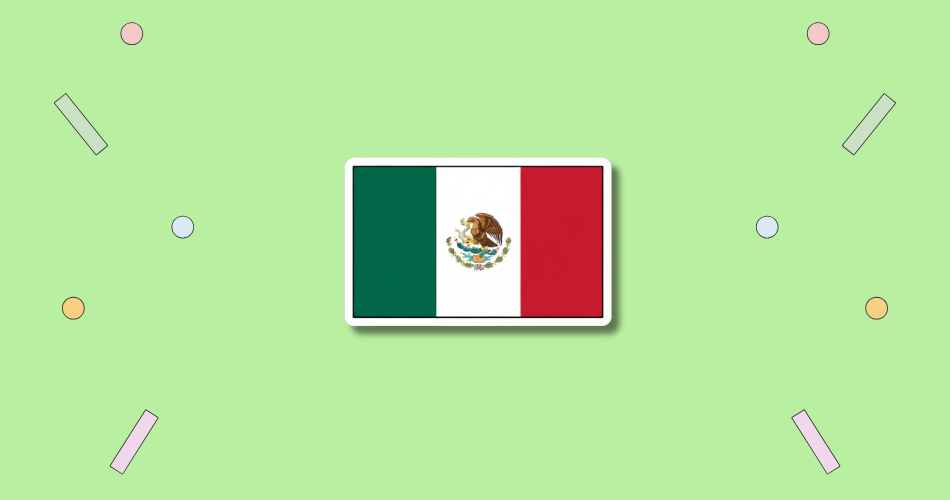
Cinco de Mayo is a cultural holiday held on May 5 that marks the anniversary of the Battle of Puebla, a significant military engagement where Mexican forces defeated the French army in 1862. In 2027, this date falls on a Wednesday. While it is not Mexican Independence Day, which occurs in September, the date has grown into a major celebration of Mexican-American heritage and pride across the United States and parts of Mexico. This observance serves as a time for communities to come together through traditional music, folk dancing, and culinary traditions that honor the resilience and history of the Mexican people. Many cities host large-scale festivals that feature street food, parades, and historical reenactments to educate the public about the origin of the victory and the importance of national sovereignty.
Contents
HT Meter
Does this day matter to you?
Tap the meter if it does, and say whether you will be celebrating — that is what opens the wishes from everybody else who will be.
This day matters to me
0 Be the first to say so
Just getting started
0 Let others know you’re in.
Wishes, greetings and stories
Join the celebration to share a wish, a greeting, or how this day goes in your house.
These are kept for the people celebrating this day. Say you will be celebrating to read them and to add your own.
You have already shared something here recently.
Nothing here yet. Yours would be the first.
See also: Cinco de Marcho, Children’s Day in Mexico
History of Cinco de Mayo
In 1861, Mexico defaulted on its debt payments to European governments, leading France, Britain, and Spain to send naval forces to Veracruz to demand repayment. While Britain and Spain eventually negotiated and withdrew their forces, the French ruler Napoleon III sought to establish a puppet regime in Mexico. A well-armed French force of roughly 6,000 soldiers marched toward Mexico City, expecting little resistance from the financially struggling nation.
Mexican Independence Day
On May 5, 1862, the French encountered a much smaller and poorly equipped Mexican force of 2,000 men commanded by General Ignacio Zaragoza. Against all odds, the Mexican army held their ground at the city of Puebla and forced the French to retreat after a day-long battle. Although the French eventually took control of the country a year later, the victory at Puebla remained a powerful symbol of national unity and resistance against foreign intervention.
Why is Cinco de Mayo important?
The significance of this holiday lies in its representation of the underdog’s ability to triumph over a superior force. The Battle of Puebla provided a major emotional boost to the Mexican people during a time of foreign invasion and political strife. It proved that a determined and united population could defend their sovereignty against one of the world’s most powerful militaries of the 19th century.
In the United States, the holiday became a focal point for the Chicano movement in the 1960s as a way to promote ethnic pride and civil rights awareness. It has since evolved into a widespread celebration that highlights the diverse contributions of Mexican-Americans to the country’s social fabric. By focusing on shared history and cultural expression, the day encourages cross-cultural understanding and preserves the traditions of the Mexican diaspora.
- It honors the bravery of Mexican soldiers who defended their land against a superpower
- The day serves as a symbol of resilience and national unity for people of Mexican descent
- It provides an opportunity for Mexican-Americans to celebrate their cultural identity and roots
- Communities use the holiday to educate others about the history and heritage of Mexico
- The celebration highlights the influence of Mexican traditions on art and food worldwide
How to celebrate Cinco de Mayo
Make it yours
How would you like to spend Cinco de Mayo?
Tick what fits you, and we will put together ideas made for this day — not for any day.
Cinco de Marcho
Many people celebrate by attending community festivals that feature live mariachi music and traditional dance performances like Baile Folklórico. These events often include street fairs where vendors sell authentic dishes such as tacos, tamales, and mole poblano, which is the official dish of the holiday. Museums and libraries also frequently host educational programs or workshops that focus on Mexican history and the specific events of the 1862 battle.
In smaller settings, families and friends often gather for a festive meal at home or at local Mexican-owned restaurants. Decorating with the colors of the Mexican flag and listening to traditional music helps set a joyful tone for the day. Others participate by watching historical documentaries or reading about General Ignacio Zaragoza to better understand the strategic importance of the victory at Puebla and its lasting impact on the region.
- Eat traditional Mexican dishes such as mole poblano or fresh corn tamales
- Attend a local parade or street festival featuring mariachi bands and dancers
- Learn about the historical figures involved in the 1862 Battle of Puebla
- Support local Mexican-owned restaurants and small businesses in your area
- Share facts about the holiday to help others distinguish it from Independence Day
Cinco de Mayo Dates Table
| Year | Date | Day of the week |
|---|---|---|
| 2026 | May 5 | Tuesday |
| 2027 next | May 5 | Wednesday |
| 2028 | May 5 | Friday |
| 2029 | May 5 | Saturday |
| 2030 | May 5 | Sunday |