


Europe Day
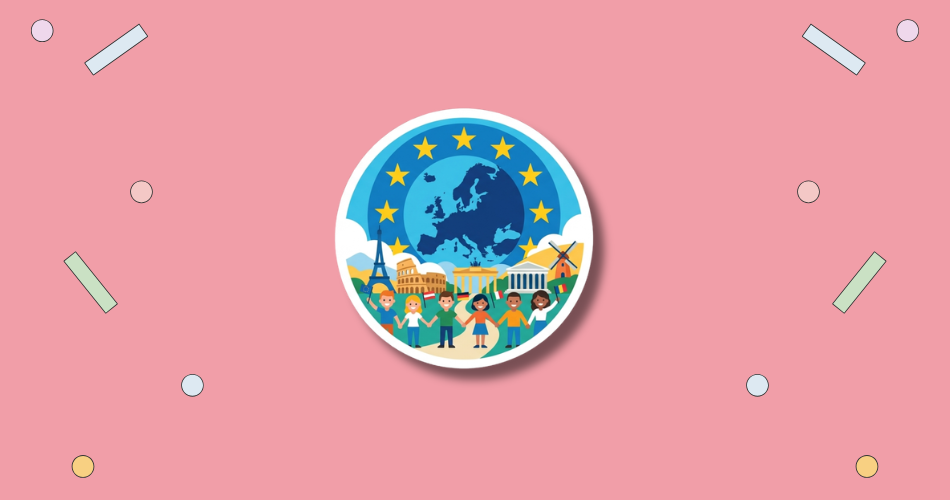
Europe Day is observed annually on May 5 to celebrate the founding of the Council of Europe and its efforts to promote human rights, democracy, and the rule of law across the continent. This holiday commemorates the signing of the Treaty of London in 1949, which established the first major political organization dedicated to European unity following the destruction of World War II. In 2027, this date falls on a Wednesday. It serves as an essential occasion for the 46 member states to reaffirm their commitment to the European Convention on Human Rights and the legal standards that protect individual freedoms. Beyond its political significance, the day is a cultural celebration that highlights the shared values and diverse traditions of millions of citizens living in both the European Union and other non-member nations. Many educational institutions and local governments use this date to organize seminars, exhibitions, and public discussions that foster a deeper understanding of how international cooperation maintains peace and stability.
Contents
See also: European Day of the Righteous
HT Meter
Does this day matter to you?
Tap the meter if it does, and say whether you will be celebrating — that is what opens the wishes from everybody else who will be.
This day matters to me
0 Be the first to say so
Just getting started
0 Let others know you’re in.
Wishes, greetings and stories
Join the celebration to share a wish, a greeting, or how this day goes in your house.
These are kept for the people celebrating this day. Say you will be celebrating to read them and to add your own.
You have already shared something here recently.
Nothing here yet. Yours would be the first.
History of Europe Day
The Council of Europe was officially established on May 5, 1949, when the Treaty of London was signed by ten founding nations. These countries included Belgium, Denmark, France, Ireland, Italy, Luxembourg, the Netherlands, Norway, Sweden, and the United Kingdom. The organization was created to serve as a platform for political cooperation and to ensure that the atrocities of the war would never be repeated. Its headquarters were established in Strasbourg, France, which remains a symbolic city for European reconciliation and diplomacy.
Europe Day in the European Union
In 1964, the Committee of Ministers decided that the anniversary of the organization’s founding should be recognized as Europe Day. This was the first formal recognition of a day dedicated to European unity, predating the European Union’s own version of the holiday. While the European Union celebrates its own Europe Day on May 9 to mark the Schuman Declaration, the Council of Europe continues to observe the May 5 date. Today, the Council has grown to include 46 member states, all of which are committed to upholding the standards set by the European Convention on Human Rights.
Why is Europe Day important?
The Council of Europe is the continent’s leading human rights organization, and this day highlights its role in protecting the freedoms of over 700 million people. It brings attention to the European Convention on Human Rights, a treaty that allows individuals to take governments to court if their fundamental rights are violated. This legal protection is essential for maintaining justice and accountability in both national and international politics. The day also reinforces the significance of the European Court of Human Rights, which provides a final level of protection for citizens across all member states.
Beyond legal frameworks, the holiday is a celebration of cultural diversity and mutual respect. It encourages nations to collaborate on social issues such as gender equality, child protection, and the fight against hate speech. By focusing on shared values rather than just economic interests, the day fosters a sense of belonging that extends beyond the borders of the European Union. It serves as a tool for civic education, helping the public understand how democratic institutions function and why they are necessary for a peaceful future.
- It marks the birth of the first major post-war organization dedicated to European unity.
- The day promotes the protection of individual freedoms through the European Court of Human Rights.
- It encourages cooperation between 46 diverse nations on legal and social standards.
- Public awareness helps strengthen democratic institutions and the rule of law across the continent.
- The holiday celebrates the shared cultural identity and history of the European people.
How to Celebrate Europe Day
Make it yours
How would you like to spend Europe Day?
Tick what fits you, and we will put together ideas made for this day — not for any day.
Euro Day
Many people celebrate the day by displaying the European flag, which consists of twelve gold stars on a blue background. Although often associated with the EU, this flag was originally created by the Council of Europe in 1955 to represent all the people of Europe. Local governments and schools often hold seminars or debates where students can learn about the history of the continent and the importance of civic engagement. These discussions help young people understand their roles as citizens in a broader international community.
In Strasbourg, the Palace of Europe often opens its doors to visitors for tours and interactive exhibitions. These events allow the public to see where international treaties are debated and to meet with representatives who work on human rights issues. For those who cannot visit in person, online platforms provide access to digital archives and documentaries that detail the history of European integration. Many also observe the day by listening to the European anthem, “Ode to Joy,” which was adopted to symbolize the ideals of freedom and brotherhood shared by all member states.
- Fly the European flag to show your support for human rights and democracy.
- Attend a local seminar or workshop about the history of the Council of Europe.
- Read a summary of the European Convention on Human Rights to learn about your legal rights.
- Participate in a community event that celebrates different European cultures and foods.
- Watch a documentary about the post-war reconstruction and the founding of the Council.
Europe Day Dates Table
| Year | Date | Day of the week |
|---|---|---|
| 2026 | May 5 | Tuesday |
| 2027 next | May 5 | Wednesday |
| 2028 | May 5 | Friday |
| 2029 | May 5 | Saturday |
| 2030 | May 5 | Sunday |