


Civic Holiday
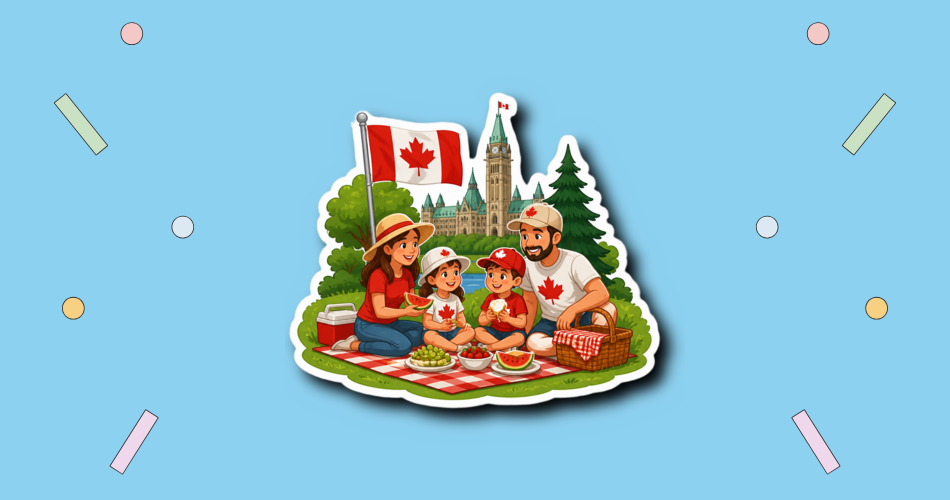
Civic Holiday is celebrated on the first Monday of August. In 2027, this date falls on August 2. This day serves as an opportunity to foster a sense of community among residents in Canada, though the name and celebration vary across different parts of the country.
Contents
HT Meter
Does this day matter to you?
Tap the meter if it does, and say whether you will be celebrating — that is what opens the wishes from everybody else who will be.
This day matters to me
0 Be the first to say so
Just getting started
0 Let others know you’re in.
Wishes, greetings and stories
Join the celebration to share a wish, a greeting, or how this day goes in your house.
These are kept for the people celebrating this day. Say you will be celebrating to read them and to add your own.
You have already shared something here recently.
Nothing here yet. Yours would be the first.
History of Civic Holiday
The earliest references to Civic Holiday being observed in Canada date back to the mid-1850s to early 1860s when some cities in Upper Canada — London in 1856, Toronto in 1861, Hamilton in 1862 — started to have a public holiday in August. These holidays varied every year and were declared by the mayor. Local businesses and stores were closed for the day and people spent the day enjoying picnics. The idea spread quickly, and soon Winnipeg also had its first holiday in 1874. The first Monday of August was ultimately solidified as Civic Holiday.
Most provinces and territories observe Civic Holiday on the first Monday in August. In the Northwest Territories, Manitoba, Nova Scotia, Ontario, and Nunavut, it is known as Civic Holiday, in Alberta, it is celebrated as Heritage Day, in some parts of Nova Scotia it is known as Natal Day, in Saskatchewan as Saskatchewan Day, in New Brunswick as New Brunswick Day, and in British Columbia as British Columbia Day. The term 'Civic Holiday' refers to its municipal or civic roots, as it is not uniformly mandated by the federal government. This allows individual cities and provinces to decide whether to observe it and what to name it, reflecting local priorities and history.
Why is Civic Holiday important?
Civic Holiday raises awareness of your surroundings. The idea behind Civic Holiday is to make people aware of their community and their environment. By doing so, it encourages people to participate in community-led programs that work towards the betterment of society.

Canada Day (Dominion Day)
Contributions to communities are recognized. Several provinces hold award ceremonies on this day, where residents who have made a positive impact on their community are rewarded for their diligence.
- It fosters local pride and offers a chance for relaxation and local festivities.
- It encourages people to participate in community-led programs that work towards the betterment of society.
- Several provinces hold award ceremonies on this day, where residents who have made a positive impact on their community are rewarded for their diligence.
- It provides a perfect opportunity to enjoy summer activities and outdoor dining.
- It recognizes the diverse ways Canadians celebrate, from historical tributes to outdoor events.
How to Celebrate Civic Holiday
Make it yours
How would you like to spend Civic Holiday?
Tick what fits you, and we will put together ideas made for this day — not for any day.
Go for a picnic. Summer is the perfect time to enjoy the outdoors and, thankfully, most parts of Canada have gorgeous outdoor locations. Grab your picnic basket, invite your friends, and head out for some time under the sun.
Join a conservation campaign. One of the ideas behind the Civic Holiday is to make people aware of conservation efforts. Nonprofit campaigns always need volunteers. Do something meaningful this Civic Holiday.
- Start the party on Sunday. Monday holidays are rare. Make the most of this occasion by staying up late the night before.
- Attend local festivals with music, food, tours, and displays of the local arts and heritage.
- Watch parades, fireworks displays, and award ceremonies for citizens' achievements in sports, academics, and cuisine.
- Visit museums, parks, and cultural centers that may have special programming.
- Support local businesses that might offer special promotions or extended hours.
Civic Holiday Dates
| Year | Date | Day of the week |
|---|---|---|
| 2026 | August 3 | Monday |
| 2027 next | August 2 | Monday |
| 2028 | August 7 | Monday |
| 2029 | August 6 | Monday |
| 2030 | August 5 | Monday |

Sorry to hear you didn't enjoy this article...
Victoria Day in Canada
Help us make it better!