
Culture Freedom Day
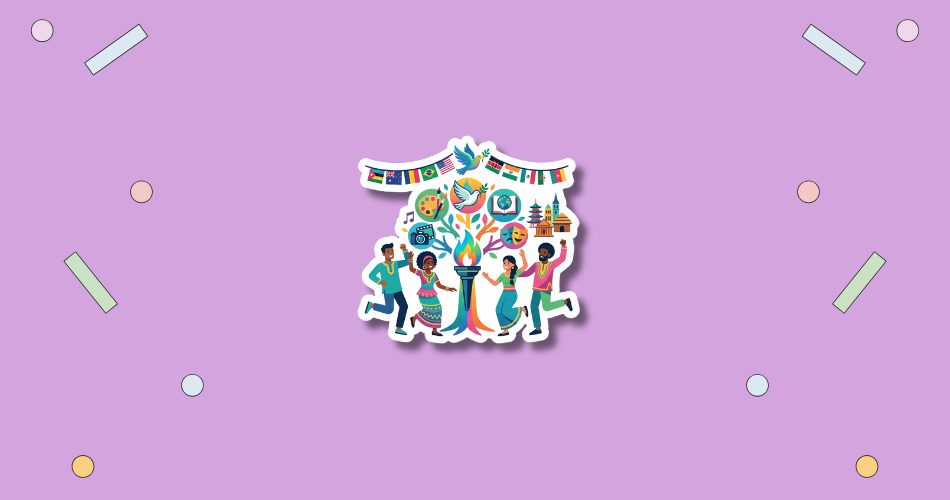
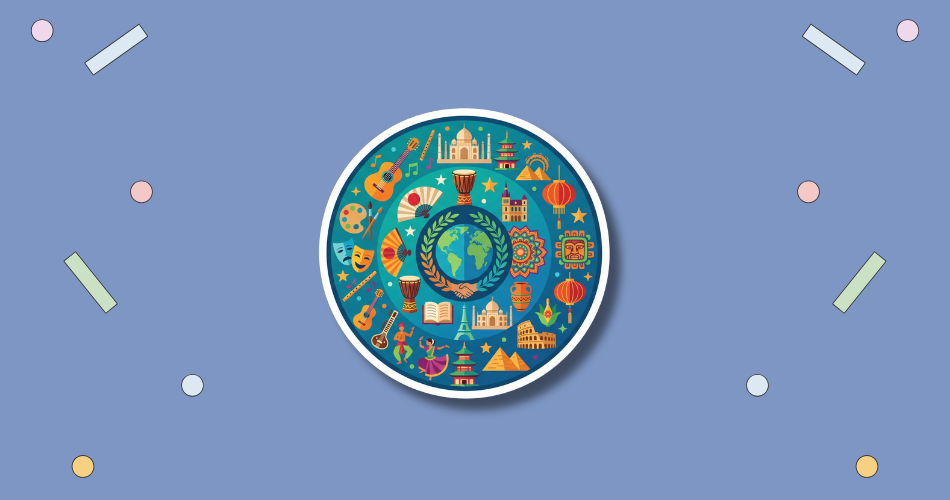
Culture Freedom Day is observed on the third Saturday of May. In 2027, this date falls on May 15. The day focuses on free culture, open creativity, and the idea that art, knowledge, and educational materials can be shared in ways that allow others to learn from, reuse, and build on them. It is connected with the broader free culture movement, which supports access, collaboration, remixing, and open licensing. For artists, educators, writers, musicians, and everyday internet users, the observance points to a practical question: how can creative work circulate more freely while still respecting the people who make it? 1 2
Contents
See also: Education Freedom Day, Freedom of Information Day, World Day of Culture, Universal Day of Culture
HT Meter
Does this day matter to you?
Tap the meter if it does, and say whether you will be celebrating — that is what opens the wishes from everybody else who will be.
This day matters to me
0 Be the first to say so
Just getting started
0 Let others know you’re in.
Wishes, greetings and stories
Join the celebration to share a wish, a greeting, or how this day goes in your house.
These are kept for the people celebrating this day. Say you will be celebrating to read them and to add your own.
You have already shared something here recently.
Nothing here yet. Yours would be the first.
History of Culture Freedom Day
Culture Freedom Day began in 2012 and is associated with the Digital Freedom Foundation, the organization behind several awareness efforts connected with digital rights and open access. The observance was shaped by the free culture movement, a movement closely associated with open licensing, public domain work, remix culture, and the belief that culture grows when people can study, share, adapt, and improve creative material. Its early promotion also connected it with Creative Commons, whose licenses give creators a structured way to allow certain kinds of reuse. The first observances were tied to public events, education, and conversations about how open culture could work in real communities.
Education Freedom Day
The subject behind the day reaches beyond one organization or one year. Free culture includes everything from openly licensed music and images to public domain literature, open educational resources, and creative projects that invite adaptation rather than locking every use behind permission. The day is now understood as an observance for people who care about access to knowledge, fair reuse, and the role of culture as something people participate in rather than simply consume. It also sits near related conversations about free software, open standards, public domain materials, and the rights of creators and audiences in digital spaces.
Why is Culture Freedom Day important?
Culture Freedom Day matters because many people learn, teach, create, and communicate through materials made by others. A teacher may need images for a lesson, a student may remix a video for a project, a musician may sample older sounds, or a local group may want to translate useful information for a new audience. Open licenses and public domain resources can make those activities easier, clearer, and more lawful. The day gives attention to the practical value of sharing culture in ways that remove unnecessary barriers.
It also raises a larger cultural issue: who gets to participate in creative life. When materials are easier to access, more people can study, adapt, translate, preserve, and build on them. That does not mean every creator must give away every right; it means creators can choose sharing models that fit their goals. Culture Freedom Day highlights that choice while encouraging wider public understanding of open culture.
- It supports wider access to art and knowledge.
- It helps people understand open licenses.
- It values remixing, adaptation, and learning.
- It connects creativity with public participation.
- It encourages careful sharing instead of careless copying.
How to Celebrate Culture Freedom Day
Make it yours
How would you like to spend Culture Freedom Day?
Tick what fits you, and we will put together ideas made for this day — not for any day.
Copyright Law Day
Explore a public domain book, song, film, or artwork and notice how older works continue to inspire new ones. Creators can release a photo, essay, song, lesson, or design under an open license that clearly explains how others may use it. Teachers and students can try open educational resources in a class project or compare different license types. Libraries, schools, and community groups can use the day for a short discussion about copyright, fair use, public domain materials, and responsible reuse.
A thoughtful way to mark the day is to credit creators carefully and learn what different sharing permissions actually mean. Many people use online images, music, and text without checking whether reuse is allowed, so the day can help build better habits. Look for artists who intentionally share their work openly and support them with attribution, donations, purchases, or word of mouth. The goal is not to treat creative work as worthless; it is to respect creators while making culture easier to learn from and carry forward.
- Share one original work with a clear open license.
- Remix a public domain image or text.
- Credit an openly licensed creator properly.
- Use open educational material in a lesson.
- Discuss copyright basics with a student or friend.
Culture Freedom Day Dates
| Year | Date | Day of the week |
|---|---|---|
| 2026 | May 16 | Saturday |
| 2027 next | May 15 | Saturday |
| 2028 | May 20 | Saturday |
| 2029 | May 19 | Saturday |
| 2030 | May 18 | Saturday |