


National Honor Our LGBT Elders Day
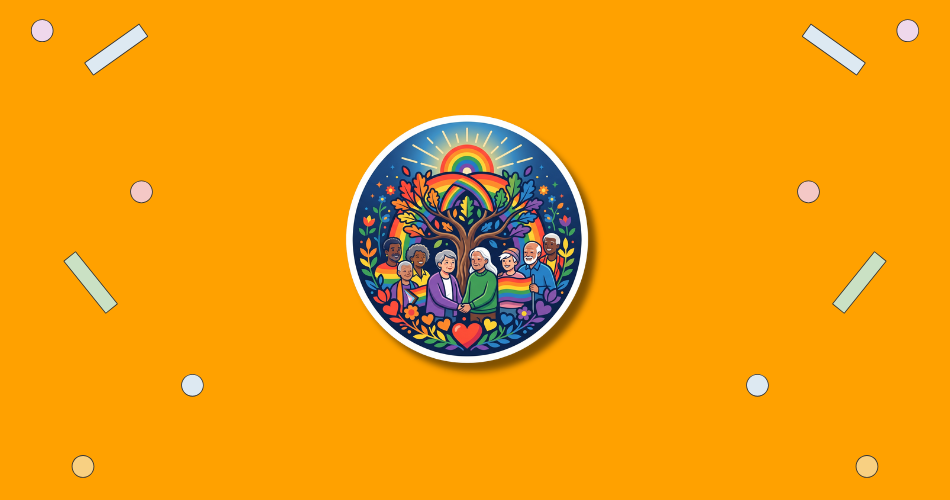
National Honor Our LGBT Elders Day is observed every year on May 16. In 2027, this date falls on a Sunday. The day honors older LGBT and LGBTQ adults whose lives, advocacy, creativity, and everyday courage helped shape community history. It is both an appreciation day and an awareness-based observance, with attention on respect, storytelling, intergenerational connection, and the needs of elders who may face isolation or lack of affirming care. The tone of the day is warm and grateful, but also thoughtful about the barriers many elders have experienced. 1
Contents
HT Meter
Does this day matter to you?
Say that it does, and say whether you will be marking it. Both are anonymous to nobody but kind to everybody.
This day matters to me
0 Be the first to say so
Quietly remembered
0 Nobody has said so yet
Notes of remembrance
Join those marking this day to share a word, a memory, or the reason it matters to you.
These notes are kept for the people marking this day. Say you will be marking it to read them and to leave your own.
You have already shared a note here recently.
No notes yet. Yours would be the first.
See also: LGBT Center Awareness Day, International Day Against Homophobia, Transphobia, and Biphobia, International Family Equality Day, Lesbian Visibility Day, Pink Shirt Day
History of National Honor Our LGBT Elders Day
National Honor Our LGBT Elders Day is connected with Baltimore and the elder-focused LGBTQ work of Chase Brexton Health Care. The observance is identified with Nate Sweeney, who helped establish it in 2015 to recognize the contributions and leadership of older LGBT adults. In 2016, May 16 was added to the National Days Registry as National Honor Our LGBT Elders Day. Its purpose is to foster awareness and show appreciation for the lifetime contributions made by LGBTQ elders.

LGBT Center Awareness Day
The day grew from a need to make older LGBT adults more visible within both LGBTQ spaces and aging-services conversations. Many elders lived through years when open identity could carry serious personal, legal, professional, or family consequences. Their lives include activism, caregiving, art, organizing, mentorship, survival, and ordinary acts of persistence that helped create safer paths for later generations. Today, the observance is understood as a way to honor those stories while recognizing that many elders still need respectful, affirming support.
Why is National Honor Our LGBT Elders Day important?
National Honor Our LGBT Elders Day matters because LGBT elders are often missing from the public stories told about LGBTQ progress. Younger people may know major events, court decisions, and policy changes, but not the local organizers, neighbors, friends, artists, and caregivers who carried communities through difficult years. Honoring elders helps turn history into something personal and living. It also gives elders the respect of being seen as whole people, not only as symbols of struggle.
The day also has practical value for families, service providers, senior centers, faith communities, and LGBTQ organizations. Older LGBT adults may face social isolation, complicated family histories, health-care barriers, or concern about whether care settings will treat them with dignity. Recognition alone does not solve those problems, but it can lead to better conversations, safer programs, and more deliberate inclusion. Listening to elders can also help younger generations understand both the progress that has been made and the work that remains.
- Elders’ stories keep community history from being lost.
- Respectful recognition can reduce isolation.
- Intergenerational friendships strengthen LGBTQ communities.
- Care providers can learn from elder experiences.
- Gratitude helps balance history with human connection.
How to Observe National Honor Our LGBT Elders Day
Make it yours
How would you like to spend National Honor Our LGBT Elders Day?
Tick what fits you, and we will put together ideas made for this day — not for any day.
National Senior Citizens Day
Reach out to an LGBT elder, ask whether they would like company, and make the conversation about listening rather than interviewing. A phone call, shared meal, letter, or visit can mean more when it is personal and unrushed. Community groups can host storytelling programs, art readings, panel discussions, or small gatherings where elders choose how they want to share their experiences. Senior centers and service organizations can use the day to review whether their spaces, forms, language, and programs are welcoming to LGBT older adults.
A thoughtful observance can also include learning about local LGBTQ history. Look for oral history projects, archives, community exhibits, or recorded interviews that preserve elder voices. Younger people can ask what support is actually useful instead of assuming what elders need. The most respectful approach is to honor public contributions while also protecting privacy, choice, and dignity.
- Send a handwritten note of thanks.
- Invite an elder to share a meal.
- Attend a local storytelling event.
- Support affirming elder-care programs.
- Read or listen to LGBTQ oral histories.
National Honor Our LGBT Elders Day Dates
| Year | Date | Day of the week |
|---|---|---|
| 2026 | May 16 | Saturday |
| 2027 next | May 16 | Sunday |
| 2028 | May 16 | Tuesday |
| 2029 | May 16 | Wednesday |
| 2030 | May 16 | Thursday |