



International Family Equality Day
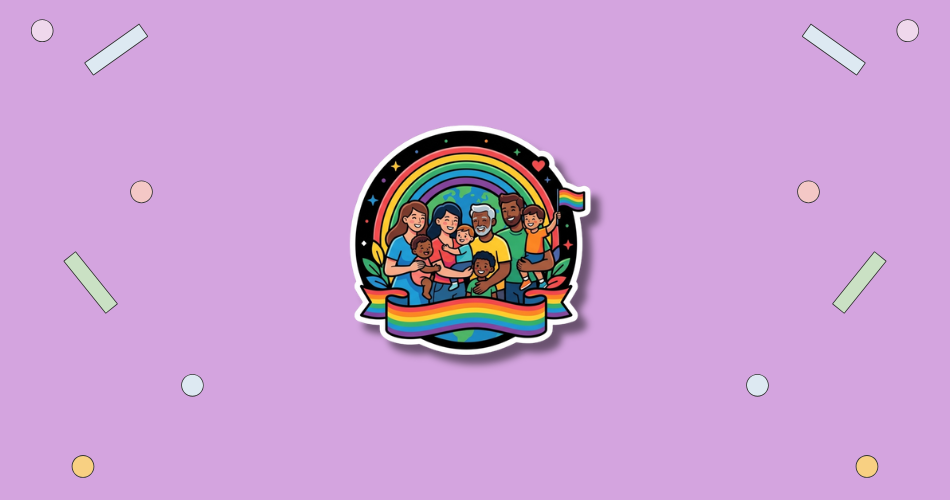
International Family Equality Day is observed on the first Sunday of May. In 2026, it falls on May 3. This global event focuses on the visibility and rights of families with LGBTQ+ parents and other diverse household structures. It serves as an international platform to advocate for social justice and legal recognition for every family unit, regardless of its composition. By celebrating these families, the event helps to build inclusive communities where every child feels safe and represented. The holiday emphasizes that the core of a family is the care provided by its members rather than traditional societal definitions. It brings together activists and allies to promote a world where equality is a standard for all families. 1
Contents
See also: Global Family Day, Family Day, TransParent Day, Lesbian Visibility Day, Pink Shirt Day, Day of Silence, LGBT Center Awareness Day
HT Meter
Does this day matter to you?
Tap the meter if it does, and say whether you will be celebrating — that is what opens the wishes from everybody else who will be.
This day matters to me
0 Be the first to say so
Just getting started
0 Let others know you’re in.
Wishes, greetings and stories
Join the celebration to share a wish, a greeting, or how this day goes in your house.
These are kept for the people celebrating this day. Say you will be celebrating to read them and to add your own.
You have already shared something here recently.
Nothing here yet. Yours would be the first.
History of International Family Equality Day
Maria von Känel, a Swiss activist, first proposed the idea for this holiday in 2010 to address the lack of representation for diverse families. The concept gained international momentum in 2011 during the first International Symposium of LGBTQ parenting organizations held in Florida. Representatives from various countries agreed that a dedicated day was necessary to celebrate family diversity and advocate for equal rights on a global scale.
International Family Day
The first official International Family Equality Day took place on May 6, 2012. It featured events in nine countries across Europe and North America, organized by the International Family Equality Day network. Over the following years, the movement expanded rapidly, gaining recognition from international bodies like the Council of Europe. Today, the day is celebrated in over 60 countries with hundreds of local events ranging from community picnics to educational workshops.
Why is International Family Equality Day important?
Visibility is a primary reason for this holiday as it allows children and parents to see their family structures reflected in the community. Many families face social or legal hurdles because they do not fit traditional definitions, and this day provides a platform to address those specific challenges. It fosters a sense of belonging for children who might otherwise feel isolated because of their family background. When communities acknowledge these families, it builds a foundation of empathy and understanding that benefits everyone.
Legal and social equity remains a significant goal for the organizations involved in this observance. In many regions, families still lack basic protections related to healthcare, inheritance, and parental rights. By bringing global attention to these issues, the holiday encourages lawmakers to create more inclusive policies. It also serves as a reminder that the quality of a family is defined by the commitment of its members rather than its biological or legal makeup.
- Families gain visibility in their local schools and neighborhoods
- The day helps children understand different types of family bonds
- Activists use the event to push for more inclusive legislation
- It creates a global network for parents to share their stories
- Communities become more welcoming through educational outreach
How to Celebrate International Family Equality Day
Make it yours
How would you like to spend International Family Equality Day?
Tick what fits you, and we will put together ideas made for this day — not for any day.
Global Family Day
Communities often celebrate by organizing outdoor gatherings like picnics or park festivals where families can meet and socialize. These events usually feature activities for children, such as face painting, sports, and collaborative art projects that celebrate the concept of home. Sharing a meal in a public space is a common way to demonstrate that diverse families are an integral part of the local social fabric. It provides an informal setting for parents to share advice and build support networks.
Individuals can also observe the day by engaging with inclusive media and literature. Reading books that feature diverse family stories helps normalize different household structures for both children and adults. On social media, families often share their own stories and photos to contribute to the global message of equality. Supporting organizations that advocate for family rights through donations or volunteer work is another practical way to help.
- Communities organize outdoor picnics for families to meet
- Parents read books about diverse families with their children
- Supporters share positive family photos on social media platforms
- People donate to groups working for equal family rights
- Friends host small dinners to celebrate their own unique circles
International Family Equality Day Dates Table
| Year | Date | Day of the week |
|---|---|---|
| 2026 | May 3 | Sunday |
| 2027 next | May 2 | Sunday |
| 2028 | May 7 | Sunday |
| 2029 | May 6 | Sunday |
| 2030 | May 5 | Sunday |