



World Red Cross and Red Crescent Day
World Red Cross and Red Crescent Day is observed on May 8. In 2027, this date falls on a Saturday. This international day of recognition celebrates the humanitarian work of millions of volunteers and staff members around the world. It marks the anniversary of the birth of the movement’s founder and serves to highlight the essential role that medical and emergency aid play in saving lives during times of crisis. The day underscores the commitment to neutrality and impartial assistance for anyone in need regardless of their background. 1
Contents
See also: World Humanitarian Day, World Humanitarian Action Day, Humanitarian Day, International Volunteer Day
HT Meter
Does this day matter to you?
Say that it does, and say whether you will be marking it. Both are anonymous to nobody but kind to everybody.
This day matters to me
0 Be the first to say so
First voices
0 Nobody has said so yet
Notes of remembrance
Join those marking this day to share a word, a memory, or the reason it matters to you.
These notes are kept for the people marking this day. Say you will be marking it to read them and to leave your own.
You have already shared a note here recently.
No notes yet. Yours would be the first.
History of World Red Cross and Red Crescent Day
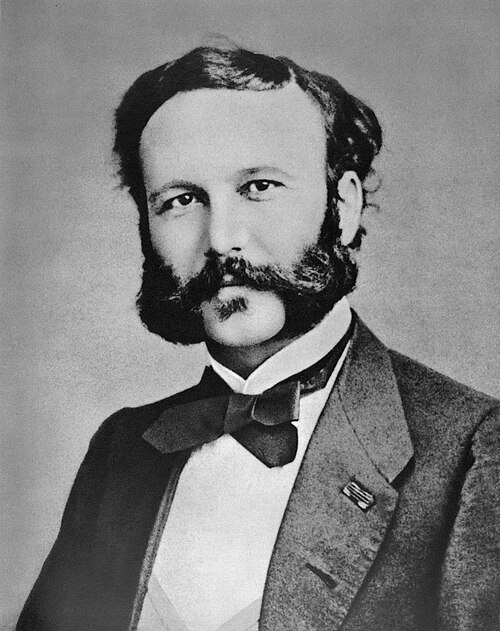
The roots of the movement trace back to 1859, when Swiss businessman Henry Dunant witnessed the devastating aftermath of the Battle of Solferino in Italy. Seeing thousands of wounded soldiers left without care, he organized local villagers to provide aid to all injured men without distinction. This experience inspired him to write a book titled A Memory of Solferino, which proposed the creation of permanent national relief societies. His vision directly led to the establishment of the International Committee of the Red Cross in 1863 and the first Geneva Convention in 1864.
The official observance was established in 1948, exactly 120 years after Dunant’s birth on May 8, 1828. Initially known as International Red Cross Day, the event was created to broaden the public’s understanding of the organization’s mission following the immense challenges of World War II. In 1984, the title was officially changed to World Red Cross and Red Crescent Day to acknowledge the work of societies in Muslim countries that use the red crescent emblem. Today, it remains a global tribute to Dunant, who was also the first recipient of the Nobel Peace Prize.
Why is World Red Cross and Red Crescent Day important?
The movement operates under seven fundamental principles that ensure aid is delivered ethically and effectively in the most dangerous environments. Humanity, impartiality, and neutrality allow workers to cross battle lines and access communities that might otherwise be cut off from life-saving resources. These principles protect the integrity of the organization, making it one of the few global entities trusted by multiple sides in a conflict. By maintaining strict independence, the movement focuses solely on alleviating human suffering rather than political or military goals.
American Red Cross Giving Day
This day is also vital for the sustainability of local healthcare infrastructures across more than 190 countries. Many national societies manage the majority of a country’s blood supply, provide essential vaccinations, and lead community disaster preparedness programs. Without the mobilization of millions of active volunteers, these critical services would be unavailable to vulnerable populations. The annual recognition helps inspire new generations of volunteers to join the network and ensures that the mission of dignity and care continues to receive public and financial support.
- It honors the selfless service of millions of volunteers worldwide
- The day emphasizes the importance of neutral humanitarian aid
- Recognition helps secure resources for local disaster relief programs
- It reminds societies to protect the safety of medical workers
- Celebrating the day encourages the global spread of first aid skills
How to Observe World Red Cross and Red Crescent Day
Make it yours
How would you like to spend World Red Cross and Red Crescent Day?
Tick what fits you, and we will put together ideas made for this day — not for any day.
Donating blood is one of the most impactful ways to participate in this observance. Because the Red Cross and Red Crescent are major providers of blood products, a single donation can provide life-saving support for patients undergoing surgery or recovering from accidents. You can also contact your local chapter to learn about upcoming training sessions for first aid or CPR certification. Equipping yourself with these skills allows you to become a first responder in your own neighborhood or office during an emergency.
Financial contributions are another practical way to support the ongoing work of the movement. These funds are used to maintain warehouses of emergency supplies, deploy medical teams to disaster zones, and support long-term recovery projects in struggling regions. Sharing educational content about the history of the Geneva Conventions on digital platforms helps raise awareness about the legal protections for civilians and aid workers. Engaging with your local society through social media also provides a chance to thank the volunteers who work year-round to protect your community.
- Schedule a time to donate blood at a nearby center
- Make a monetary donation to support international relief efforts
- Sign up for a professional first aid or CPR course
- Share facts about the Geneva Conventions with your social circle
- Volunteer your time to help with local chapter events
World Red Cross and Red Crescent Day Dates Table
| Year | Date | Day of the week |
|---|---|---|
| 2026 | May 8 | Friday |
| 2027 next | May 8 | Saturday |
| 2028 | May 8 | Monday |
| 2029 | May 8 | Tuesday |
| 2030 | May 8 | Wednesday |

Sorry to hear you didn't enjoy this article...

World Blood Donor Day
Help us make it better!