
Day of Remembrance of the Children Who Died as a Result of the Russian Federation’s Armed Aggression Against Ukraine

Day of Remembrance of the Children Who Died as a Result of the Russian Federation’s Armed Aggression Against Ukraine is observed every year on June 4. In 2027, this date falls on a Friday. This Ukrainian memorial day honors children whose lives were taken during Russia’s armed aggression against Ukraine. It is a solemn date for remembrance, grief, public witness, and care for families who have lost children. The day also draws attention to the impact of war on children, including death, injury, displacement, trauma, and separation from family. 1 2 3 4
Contents
- History of Day of Remembrance of the Children Who Died as a Result of the Russian Federation’s Armed Aggression Against Ukraine
- Why is Day of Remembrance of the Children Who Died as a Result of the Russian Federation’s Armed Aggression Against Ukraine important?
- How to Observe Day of Remembrance of the Children Who Died as a Result of the Russian Federation’s Armed Aggression Against Ukraine
- Day of Remembrance of the Children Who Died as a Result of the Russian Federation’s Armed Aggression Against Ukraine Dates
See also: Ukraine Independence Day, Vyshyvanka Day in Ukraine, Day of Remembrance and Reconciliation in Ukraine
HT Meter
Does this day matter to you?
Say that it does, and say whether you will be marking it. Both are anonymous to nobody but kind to everybody.
This day matters to me
0 Be the first to say so
Quietly remembered
0 Nobody has said so yet
Notes of remembrance
Join those marking this day to share a word, a memory, or the reason it matters to you.
These notes are kept for the people marking this day. Say you will be marking it to read them and to leave your own.
You have already shared a note here recently.
No notes yet. Yours would be the first.
History of Day of Remembrance of the Children Who Died as a Result of the Russian Federation’s Armed Aggression Against Ukraine
Ukraine established this day through a resolution of the Verkhovna Rada in 2021. The resolution connected the memorial date with June 4, the International Day of Innocent Children Victims of Aggression, a United Nations observance marked on the same date each year. In creating the Ukrainian day of remembrance, lawmakers referred to the deaths of children in Donetsk, Luhansk, and other regions since 2014 as a result of the Russian Federation’s armed aggression. The observance was therefore created before Russia’s full-scale invasion in 2022, but the scale and public urgency of the day have grown during the wider war.

Today, the day is closely connected with memorial events, public mourning, and efforts to preserve the names and stories of children killed by Russian attacks. Ukrainian leaders, families, diplomats, museums, and children’s rights officials have taken part in commemorations that include moments of silence and the laying of toys as symbols of lives cut short. The National Museum of the History of Ukraine in the Second World War has used its memorial space to honor young victims and support families who carry personal grief. The day is not only about numbers; it is about recognizing children as individuals with families, names, voices, routines, and futures that were taken from them.
Why is Day of Remembrance of the Children Who Died as a Result of the Russian Federation’s Armed Aggression Against Ukraine important?
This observance matters because children are among the most vulnerable victims of war. They do not choose conflict, shape military policy, or control the forces that place their homes, schools, hospitals, playgrounds, and neighborhoods in danger. Remembering children killed in Ukraine keeps public attention on the human cost of aggression and on the responsibility to protect civilians. It also gives families and communities a recognized day to mourn in a way that is shared, public, and dignified.
The day also has a broader human rights meaning. It connects Ukraine’s national grief with international concern for children affected by war, abuse, displacement, and violence. For readers outside Ukraine, the observance can deepen understanding of how war changes childhood itself: ordinary activities such as sleeping at home, going to school, visiting relatives, or playing outside can become dangerous. A careful, respectful remembrance helps resist the flattening of tragedy into statistics and keeps the focus on children’s lives.
- It honors children whose lives were taken by war.
- It supports families living with irreplaceable loss.
- It keeps civilian protection in public view.
- It reminds readers that children are not collateral damage.
- It encourages careful attention to truth, memory, and accountability.
How to Observe Day of Remembrance of the Children Who Died as a Result of the Russian Federation’s Armed Aggression Against Ukraine
Make it yours
How would you like to spend Day of Remembrance of the Children Who Died as a Result of the Russian Federation’s Armed Aggression Against Ukraine?
Tick what fits you, and we will put together ideas made for this day — not for any day.
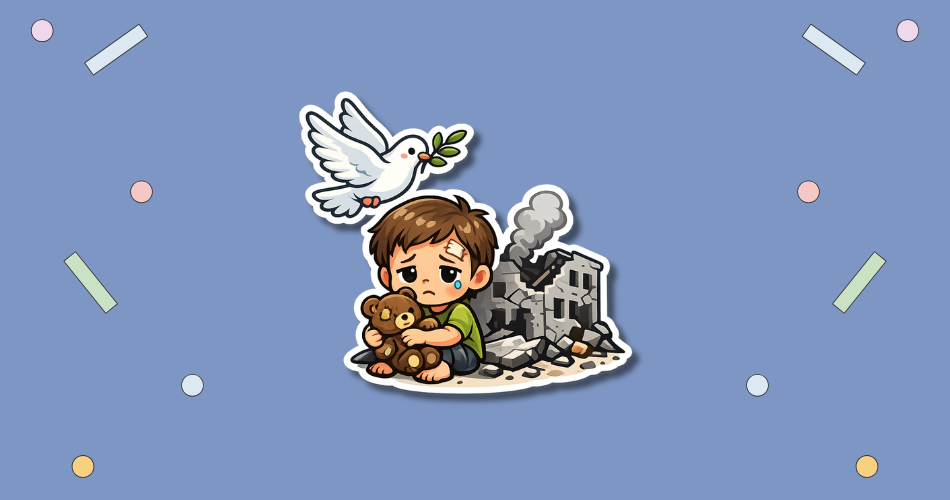
Pause for a moment of silence and think about the children and families behind the memorial date. Read verified information from Ukrainian public institutions, children’s rights organizations, museums, or reputable humanitarian groups rather than relying on social media fragments. A simple act such as lighting a candle, placing a toy in a respectful memorial setting, or sharing the name of the day with context can help keep the remembrance thoughtful. The tone should remain compassionate, factual, and centered on the victims.
Schools, libraries, community groups, and families can use the day for age-appropriate learning about the protection of children in armed conflict. Discussions should avoid graphic detail when children are present and should focus on empathy, safety, human rights, and the importance of documenting civilian harm. Adults can also support reputable organizations working with Ukrainian children affected by war, including those providing rehabilitation, family support, education, and mental health care. The most respectful observance is one that treats grief seriously and refuses to turn children’s suffering into political noise.
- Hold a quiet moment of remembrance.
- Learn the names and stories behind the memorial.
- Share verified information with respectful wording.
- Support trusted child-focused relief work.
- Avoid graphic images and sensational language.
Day of Remembrance of the Children Who Died as a Result of the Russian Federation’s Armed Aggression Against Ukraine Dates
| Year | Date | Day of the week |
|---|---|---|
| 2026 | June 4 | Thursday |
| 2027 next | June 4 | Friday |
| 2028 | June 4 | Sunday |
| 2029 | June 4 | Monday |
| 2030 | June 4 | Tuesday |

- https://www.rada.gov.ua/en/news/News/209257.html[↩]
- https://www.president.gov.ua/en/news/prezident-i-persha-ledi-vshanuvali-pamyat-ditej-yakih-ubila-98249[↩]
- https://www.president.gov.ua/en/news/olena-zelenska-vshanuvala-pamyat-ditej-yaki-zaginuli-vnaslid-91333[↩]
- https://www.warmuseum.kyiv.ua/en/news/show/the-day-of-remembrance-for-children-killed-as-a-result-of-the-armed-aggression-of-the-russian-federation-against-ukraine[↩]