


Day of the Child
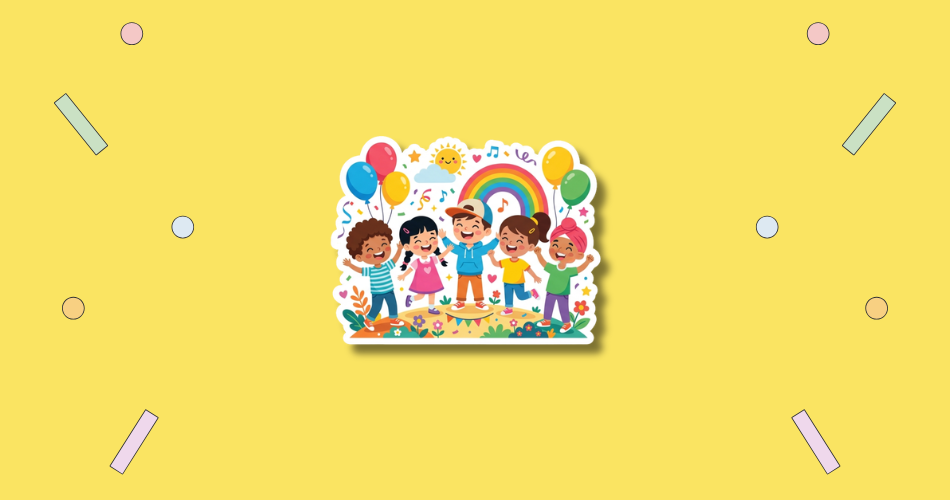
Day of the Child, also known as El Día del Niño, is observed annually on April 30. This celebration focuses on recognizing the importance of children in society and promoting their overall well-being. While many countries observe various “Children’s Days” throughout the year, the April date is particularly significant in Latin American cultures and has been widely adopted in the United States to link the celebration of childhood with literacy and the joy of reading. In 2027, this date falls on a Friday.
Contents
HT Meter
Does this day matter to you?
Tap the meter if it does, and say whether you will be celebrating — that is what opens the wishes from everybody else who will be.
This day matters to me
0 Be the first to say so
Just getting started
0 Let others know you’re in.
Wishes, greetings and stories
Join the celebration to share a wish, a greeting, or how this day goes in your house.
These are kept for the people celebrating this day. Say you will be celebrating to read them and to add your own.
You have already shared something here recently.
Nothing here yet. Yours would be the first.
See also: World Children’s Day (Universal Children’s Day), International Children’s Day, Children’s Day in Mexico
History of Day of the Child
The history of this observance began in Mexico in 1925, following the World Conference for the Well-being of Children in Geneva, Switzerland. Mexican President Álvaro Obregón officially designated April 30 as a day to honor children after the country ratified international conventions regarding the protection of youth affected by World War I. The date was specifically chosen to avoid conflicts with other major holidays in May, such as Labor Day and Cinco de Mayo.
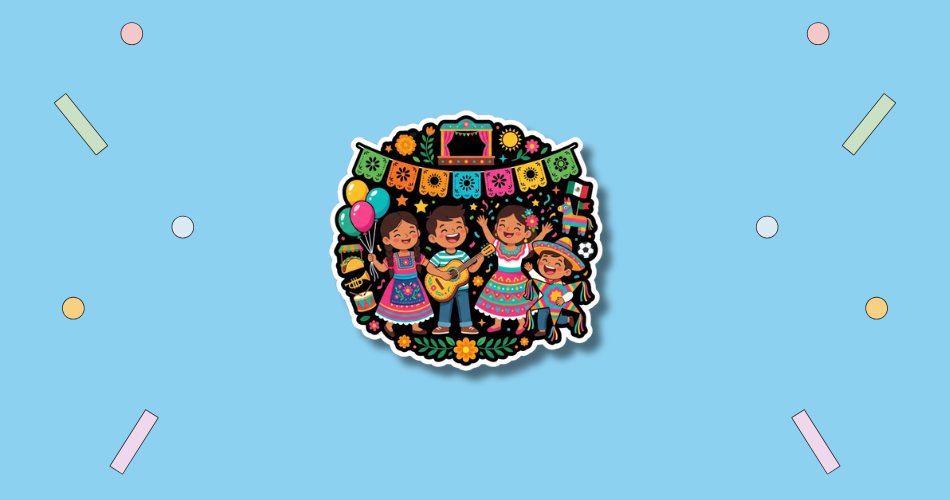
Children's Day in Mexico
In the United States, the celebration was revitalized in 1997 through the efforts of author and literacy advocate Pat Mora. She proposed “El Día de los Niños, El Día de los Libros” (Day of the Child, Day of the Books) to connect the traditional celebration of children with the importance of bilingual literacy. This initiative was endorsed by major library associations and community organizations, transforming the day into a national movement that celebrates both the diverse cultural heritage of children and the power of literature.
Why is Day of the Child important?
This day serves as a critical reminder of the fundamental rights and protections every child deserves regardless of their background. It highlights the need for access to education, healthcare, and a safe environment for growth. By focusing on children, the holiday encourages adults and policymakers to prioritize the needs of the younger generation, acknowledging that the future health of society depends on the current well-being of its children.
Beyond advocacy, the day is important for fostering a love of learning and literacy from a young age. By linking the celebration to books, it helps children discover different cultures and languages through storytelling. It creates an opportunity for families to bond over shared activities, reinforcing the idea that play and imagination are essential components of healthy development. The day promotes a culture of respect where the voices and perspectives of children are valued.
- Public recognition of children’s rights ensures they remain a priority for the community.
- Celebrating literacy helps close the educational gap for underserved youth.
- The holiday encourages cultural exchange and the appreciation of diverse traditions.
- Focused attention on child well-being can help identify those in need of support.
- It provides a dedicated time for families to spend quality, joyful hours together.
How to Celebrate Day of the Child
Make it yours
How would you like to spend Day of the Child?
Tick what fits you, and we will put together ideas made for this day — not for any day.
International Children's Day
Celebrating this day often involves organizing community festivals, library events, and school programs centered on storytelling and play. Many families mark the occasion by visiting a local library to check out new books or by participating in “book giveaways” where children can start their own home libraries. Because the day is also a celebration of childhood, it is common to host parties with traditional games, music, and food like piñatas or special treats that children enjoy.
Another meaningful way to observe the day is through educational activities that teach children about their own rights and the lives of children in other parts of the world. Parents and educators can use this time to encourage creative expression through art, writing, or performance. Whether it is a small gathering at home or a large city-wide event, the focus remains on making children feel honored, respected, and heard within their communities.
- Visit a local library to participate in bilingual storytime or book activities.
- Organize a small party with games and snacks that children specifically love.
- Donate new or gently used books to schools or community centers in need.
- Spend time reading together as a family to encourage a lifelong habit.
- Volunteer with or donate to organizations that protect and support children.
Day of the Child Dates Table
| Year | Date | Day of the week |
|---|---|---|
| 2026 | April 30 | Thursday |
| 2027 next | April 30 | Friday |
| 2028 | April 30 | Sunday |
| 2029 | April 30 | Monday |
| 2030 | April 30 | Tuesday |